





When three performers, their bodies and individual stories collide on stage, contemporary Australia's connection to Country, tens of thousands of years of First Peoples' history and its modern multiculturalism intertwine with it.
Of the Land on Which We Meet, presented by First Nations-led company Na Djinang Circus, asks a question of how the country moves forward "towards reconciliation" and challenges "weaponised, politicised" acknowledgments of Country.
The performance opens at the Arts Centre Melbourne in Naarm on Thursday night.
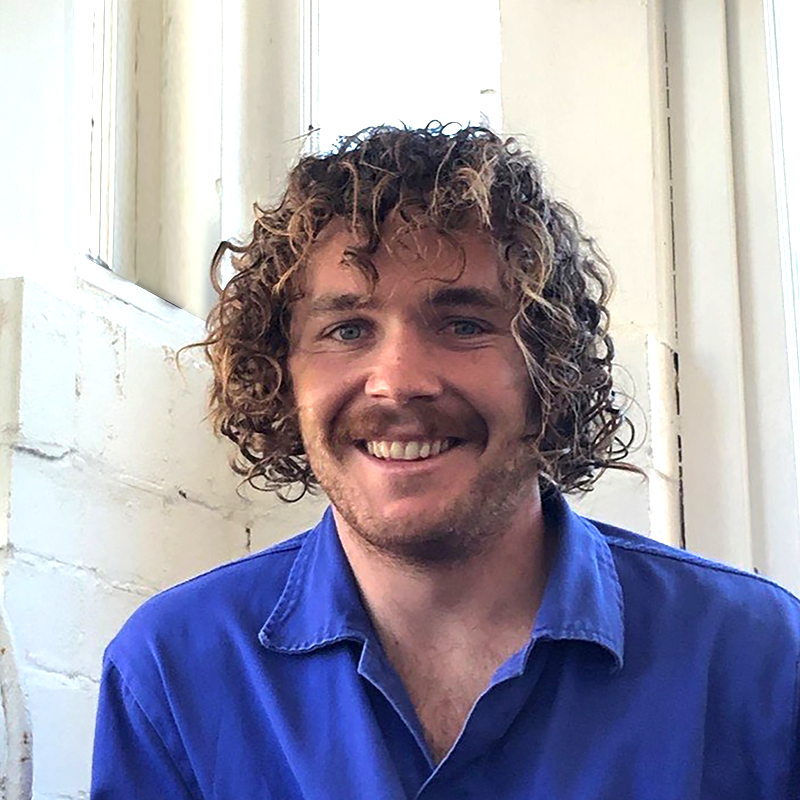
Anaiwan man Johnny Brown is joined on stage by Manelaya Kaydo-Nitis and Violetta Van Geyzel, descendants of Greek migrants and colonial settlers, respectively.
"It's about how these three stories, these three different identities, navigate the world that we live in today," Wakka Wakka man and Of the Land on Which We Meet artistic director and Na Djinang artistic custodian Harley Mann told National Indigenous Times.
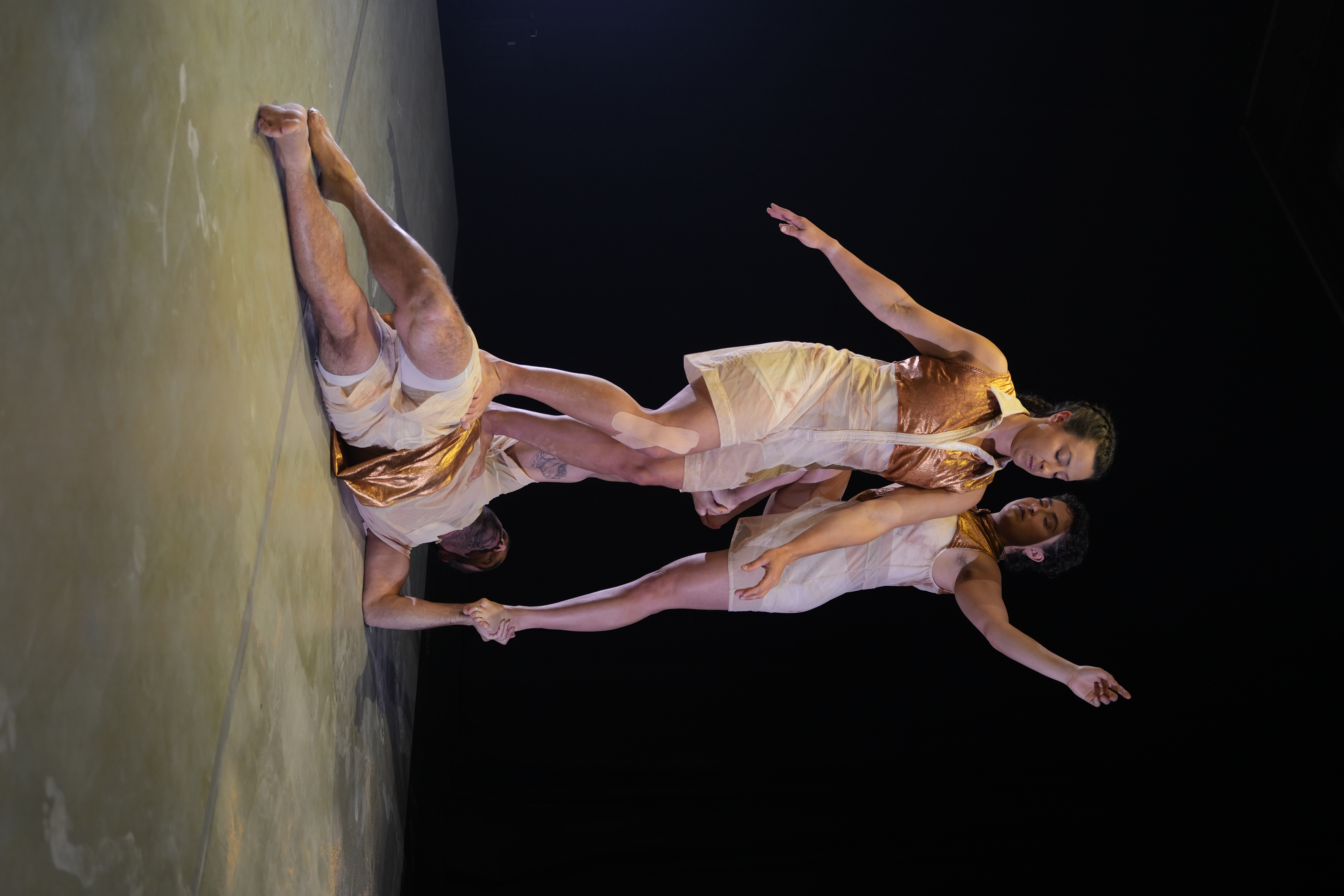
In separate series of acrobatic sequences, spoken text and monologue, the show unwraps how the trio each relate to Country influenced by their own individual stories, Mann added.
Initially isolated, not in contact, Brown, Kaydo-Nitis and Van Geyzel later convene together - as do their stories, as they run, jump and climb towards and over one another.
"They start to overlap and start to interrupt each other, bump into each other," Mann said,
"It's all about the risk and the trust that we have as a group of people to do something in the process of moving forward towards reconciliation."
"For me, it's very much about this idea of grappling with acknowledgement of Country and why that exists," Mann added.
"The importance, the significance, what it holds, but also how it's been changed, subverted, weaponised, politicised, and also the realisation of the ideology that there, there is no undoing history.
"There is no going back in time, only moving forward."
For Brown, circus is a relatively new art form.
Transitioning from dance, he takes on the role of base - the acrobat responsible for the bulk of the lifting of his partners on stage - which is dotted with pools of sand and an illuminated picture frame for the performance.
Dance carried its own piece of cultural connection for him. In this show, he brings an Indigenous Australian perspective, and connection to Country, to it.
"Growing up as mob...it's really important to have that connection...knowing who I am, on the land which I can from...it's a really important role," he said.
For audiences, he hopes they take something away from the show.
"It's not only acknowledgement, it's hearing" about "who we are living on this land".
Brown joined Na Djinang in 2022, having previously performed in their shows Arterial and Common Dissonance among a career that's seen him perform around the world.
Van Geyzel connects with the story through her own connection with Brown and Kaydo-Nitis on stage.
For Kaydo-Nitis, she's trying to bring a piece of her culture to the show, she said, and sharing how immigrant Australians relate to the nation, its deep history, the history of her culture while exploring "a new future of those two woven together".
Based in Naarm, with works drawing from First Nations knowledge and culture while championing First Nations performers and art, Na Djinang state they visualise 'a bold future for Blak circus on unceded Indigenous lands, deeply informed by Indigenous Cultural knowledge and ways of being'.
'Our purpose is to elevate Blak Australian circus nationally and internationally, fostering new practices, works, and futures through research, articulation, and agitation.'
Simply, also, it's a company delivering presenting performers skilled in a difficult discipline of movement.
Each, in their own way, have been developing their craft from a young age.
The degree of difficulty, Mann said, is a unique vehicle for what Of the Land on Which We Meet is saying.
"It's really hard", he said of circus performance, "but I think that's what's kind of special about it, and also special about this as a tool for telling this story.
"We think that the body can't do this thing. We think that healing and Treaty and conversations about the Voice and reconciliation can't be done.
"But we also get to see people do things that we also thought were impossible, and they bring that to life.
"And so it gives us a sense of hope that, yes, actually, if we work together, we can do this."