





A walk through Wurundjeri biik bolin bolin Indigenous Garden at one of the world's largest horticultural events invites much more than just a look.
People are encouraged to learn, reflect and embed themselves in a connection to Country spanning back tens of thousands of years.
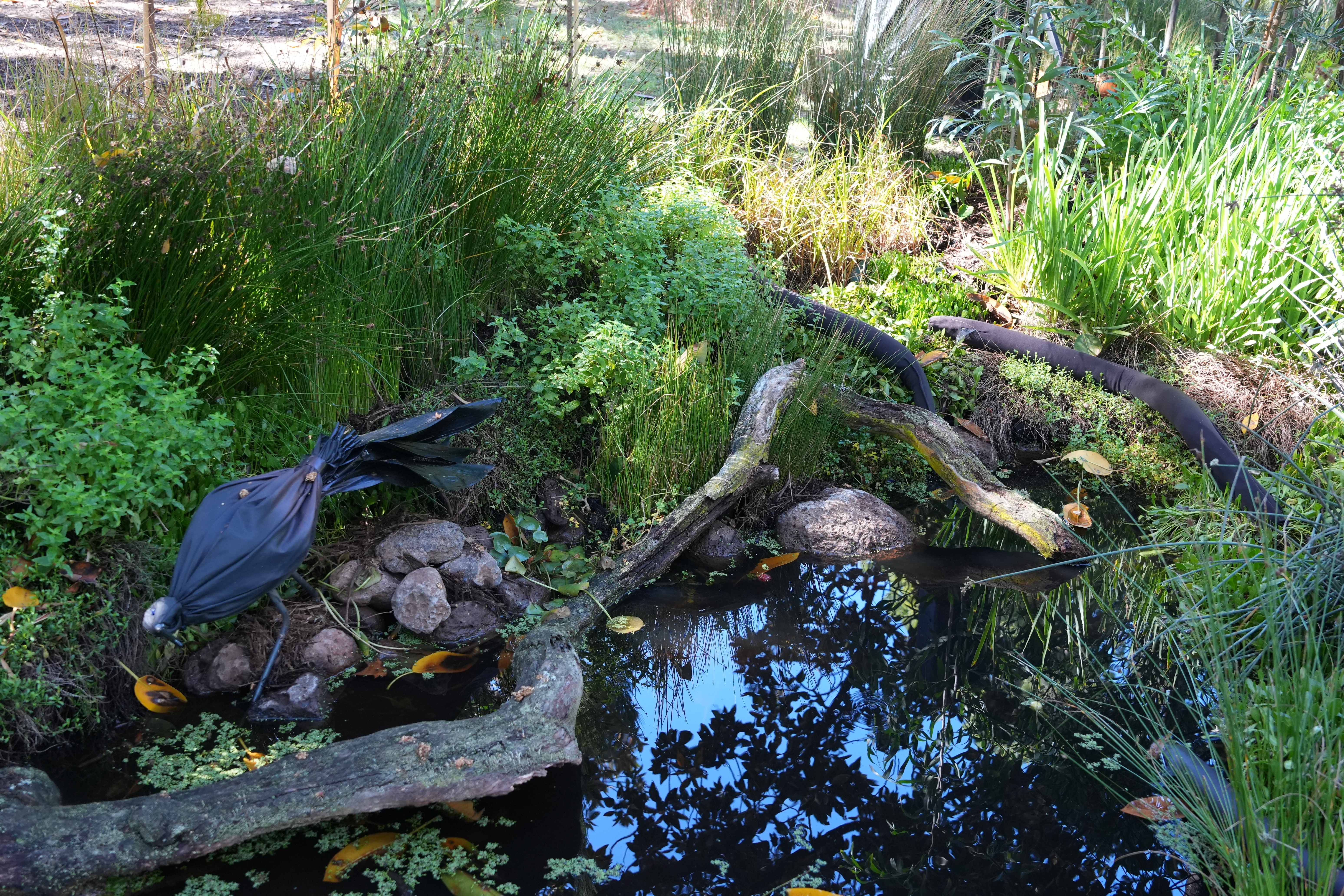
The garden, at this year's Melbourne International Flower and Garden Show, draws from the bolin bolin billabong, a winding patch of the Birrarung (Yarra River) in what is now Bulleen, its landscape, animals and history as a significant cultural site for Wurundjeri Woi-Wurrung people.
During iuk or yuk (short-fin eel) season, around March in the Gregorian calendar, people gathered at the billabong for feast and ceremony.
Eels feature in the garden, alongside buln buln (lyrebird), and plant species native to the landscape on Wurundjeri Country — most with their history of food and medicinal purposes, as well spiritual symbolism, Jakobi Ili-Jakobi told National Indigenous Times.
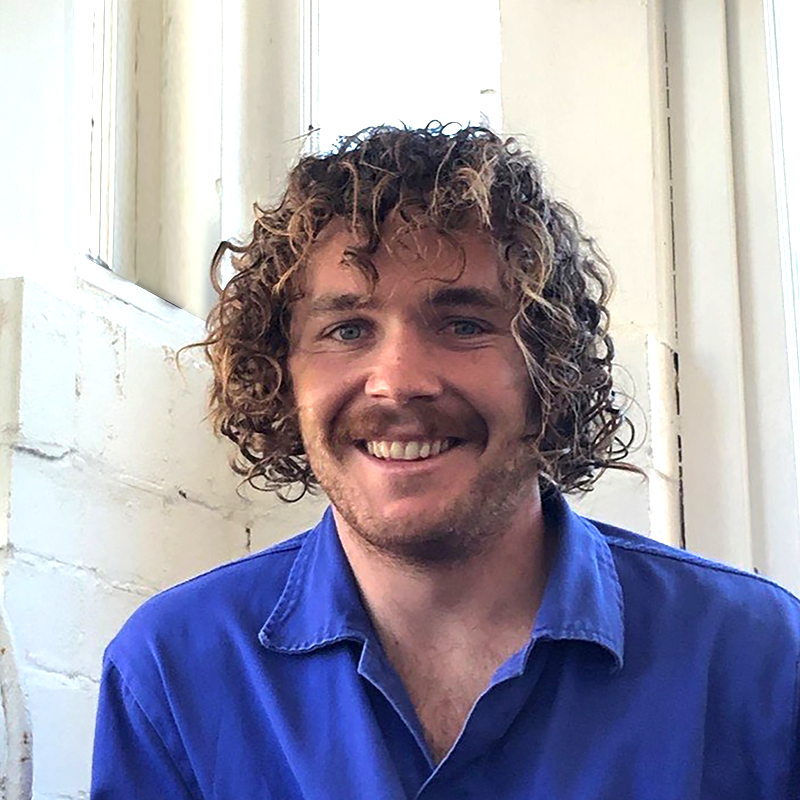
Mr Jakobi is a Djab Wurrung and Dhauwurd Wurrung man and Royal Botanic Gardens Victoria (RBGV) Aboriginal Learning Facilitator.
"It's a seasonal story" about the living landscape and Tanderrum (Kulin gathering ceremony), he said.
RBGV collaborated with Wurundjeri Woi-wurrung Cultural Heritage Aboriginal Corporation to design the garden, with guidance from Uncle Bill Nicholson, and other landscape groups and nurseries on the garden.
The Melbourne International Flower and Garden Show, now three decades old, brings crowds eclipsing 100,000 to Carlton Gardens across multiple days each year.
It's recognised as the biggest event of its kind in the southern hemisphere and one of the largest and most popular anywhere in the world.
This year, there's guided education sessions, storytelling and discussion, performances and tours are scheduled at Wurundjeri biik bolin bolin.
"You talk to any Elder in Naarm, and they always talk about how anyone who lives on these lands are caretakers of these lands...they have a responsibility to ensure that it's healthy. Not just for their lives, but for those who come after as well," Mr Jakobi said.
He said the garden, much like his work, is to connect people to the landscapes they live on.
"We're a part of the landscape. We believe, as Aboriginal people, that we are a part of Country. We're part of the land. When we care for Country, we care for ourselves as well."
"And that's a really important aspect of this feature garden — promoting more Indigenous and native plants, and being a little bit more mindful and specific when you're gardening and (thinking) what you're planting in your gardens, because it all really cares for Country."
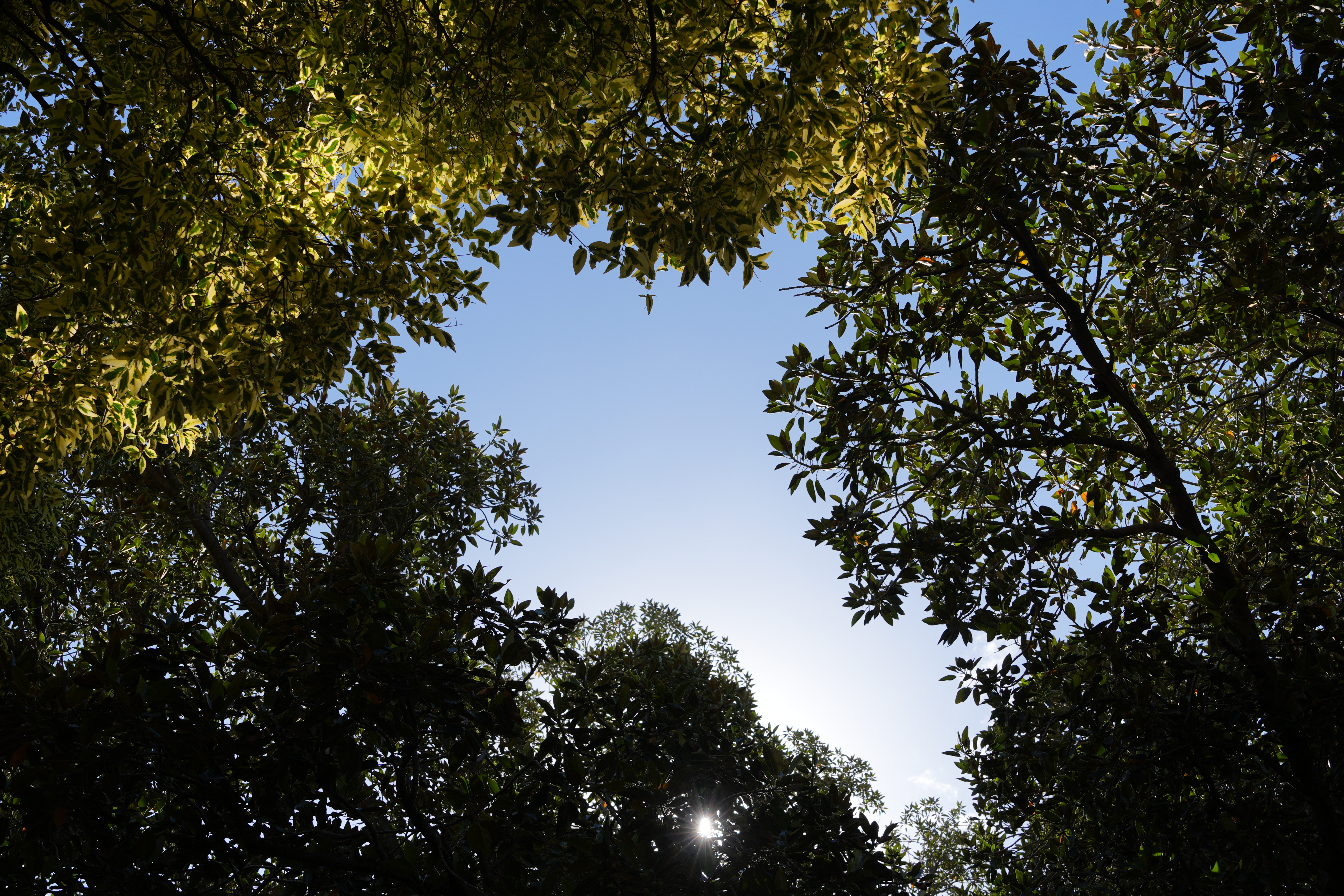
First developed last year, Kulin creator Bunjil is represented in the trimmed gaps in a tree canopy above the gardens.
Some of those branches belong to the site's Moreton Bag Fig Tree: a significant site in more recent history where gatherings, protest and speeches were held - by names like Pastor Sir Doug Nicholls, William Cooper and Margaret Tucker, among others, and moments' walk to the important offices where Victorian Aborignial community and health organisations were founded.
Giverny O'Bryan also works as an Aboriginal Learning Facilitator at RBGV.
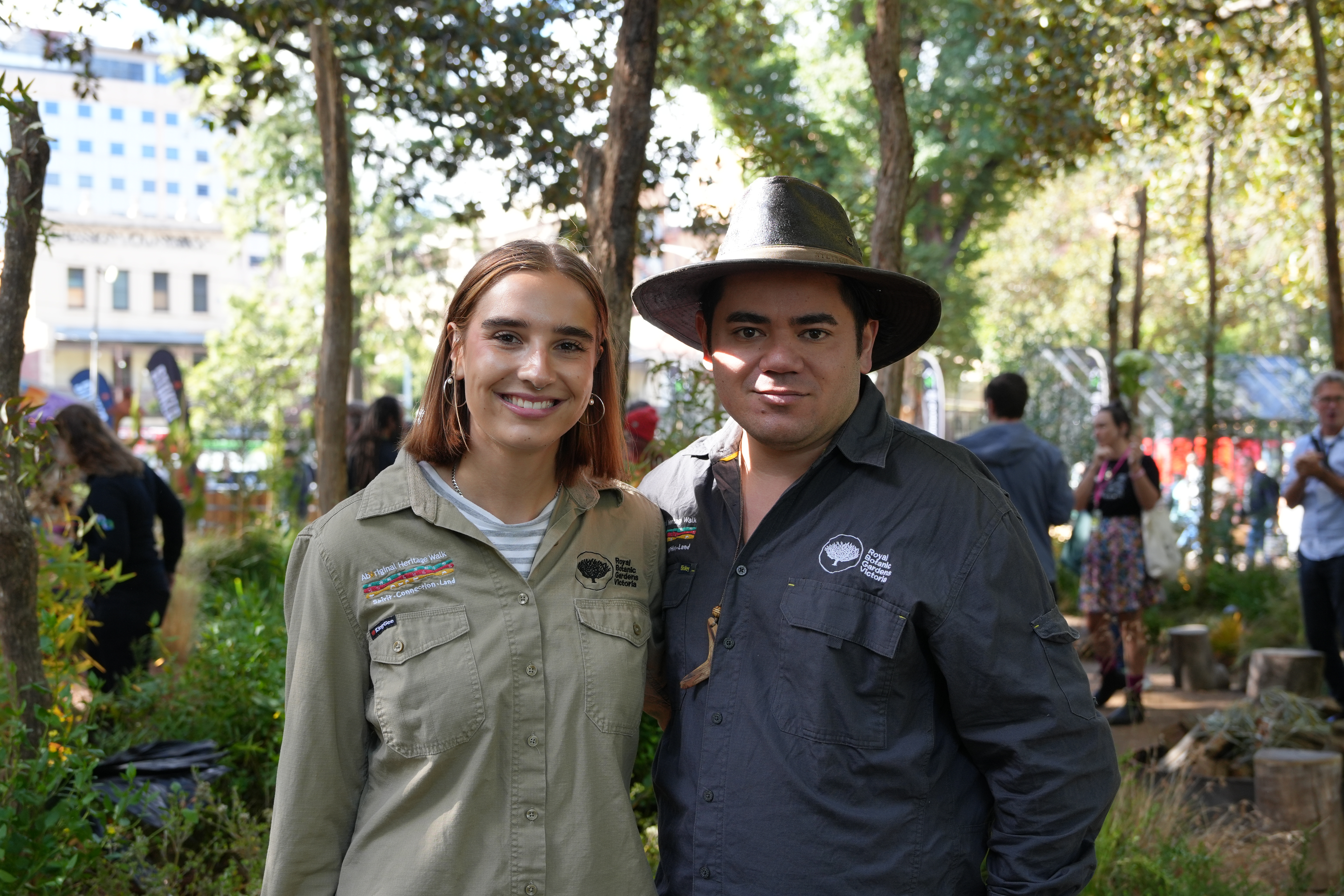
"We want people to walk through, we want people to have interactions with this space here...but also think about the interactions that First Peoples have had in this space for tens of thousands of years," she said.
"I think it's a really nice, beautiful, calming space," Ms Giverny added. "It's a space that people can walk through and start to think about their own connection to this land, whether they're traveling, visiting from different parts of Australia, or maybe they're locals, and being able to connect to the Country that they're on every single day."
On Friday, Yuin woman and naturopath Bianca Nelson led discussion on 'The Magic of Flowers and the Profound Human Connection' with herbal tea brand Pukka.
Ms Nelson, known by her online handle 'theaboriginalnaturopath' and a Pukka ambassador told National Indigenous Times connection to Country, plants and the earth's rhythms, influences her work and invitation "to remember something many of us have forgotten - that we are not separate from nature, but part of it, and that reconnecting can be both a personal and collective act of healing."
"This relationship between humans and plants is often overlooked - from historical traditions like the language of flowers, to the ways plants support our emotional and physical wellbeing. I reflect on the deeper relationship with Country, and the importance of seeing the natural world as not separate from us," she said.
"A key theme of my talk is the importance of returning to the natural world - we can all benefit from slowing down, observing seasonal rhythms, and remembering our place within it. Through this lens, connection becomes not just beneficial, but essential."
%20Bianca%20Nelson%20at%20MIFGS%202.JPG)
Ms Nelson encourages people to "bring more nature into their homes, their routines and their lives" to take advantage of all the benefits which can come with it.
Wurundjeri biik bolin bolin Indigenous Garden was open at Melbourne International Flower and Garden Show through to Sunday March 29 in Naarm.