




For First Nations artists in prison and previously incarcerated, this exhibition is about second chances - in more ways than one.
The Torch is a Victoria-wide initiative supporting more than 800 First Peoples 'break the cycle of incarceration' with arts practice, a space to create and economic self-determination.
It houses the artworks created, though can only do so for 12 months if they go unsold.
From there, "once the draws are full", the pieces enter a return process.
This presents challenges - prisons can't re-accept most of them, relying on nominated family or friends to hold onto them. That's not mentioning disappointment for artists who put their time and commitment into creating them.
Artists keep 100 per cent of profits from those sold. If incarcerated, 70 per cent of the revenue is withheld for when they re-enter the community.
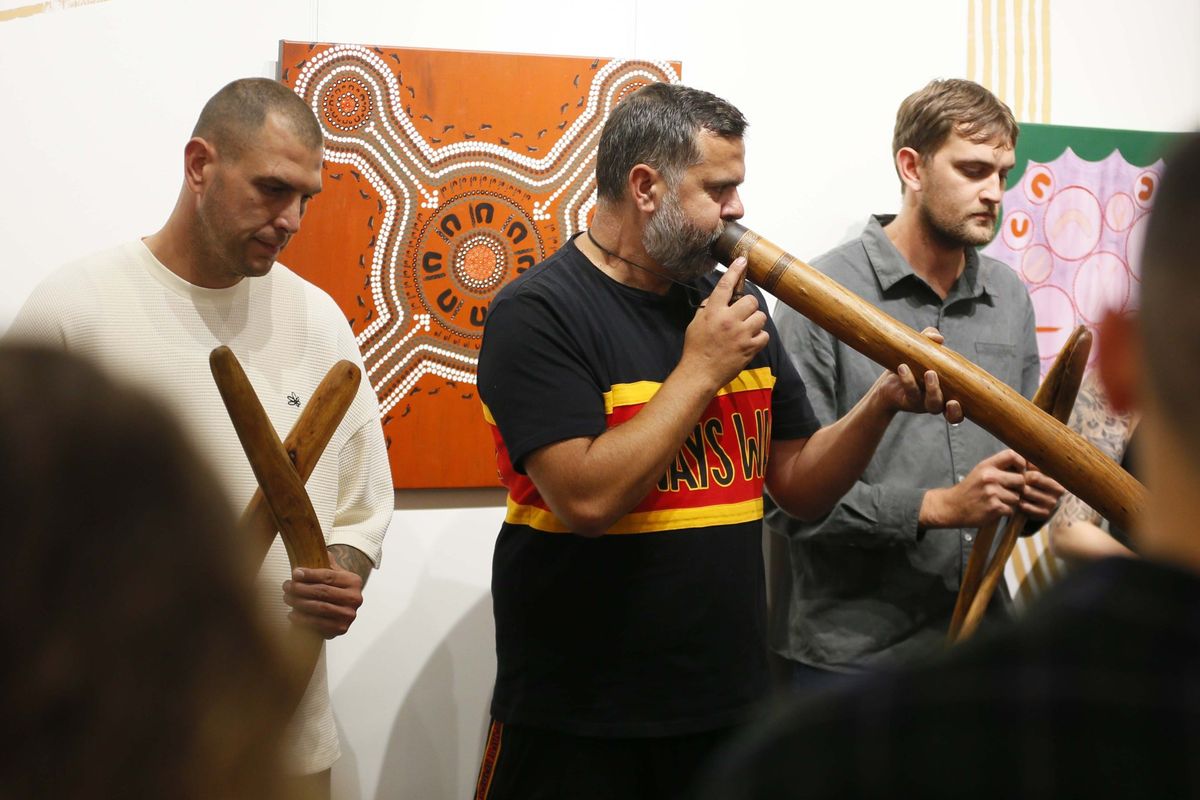
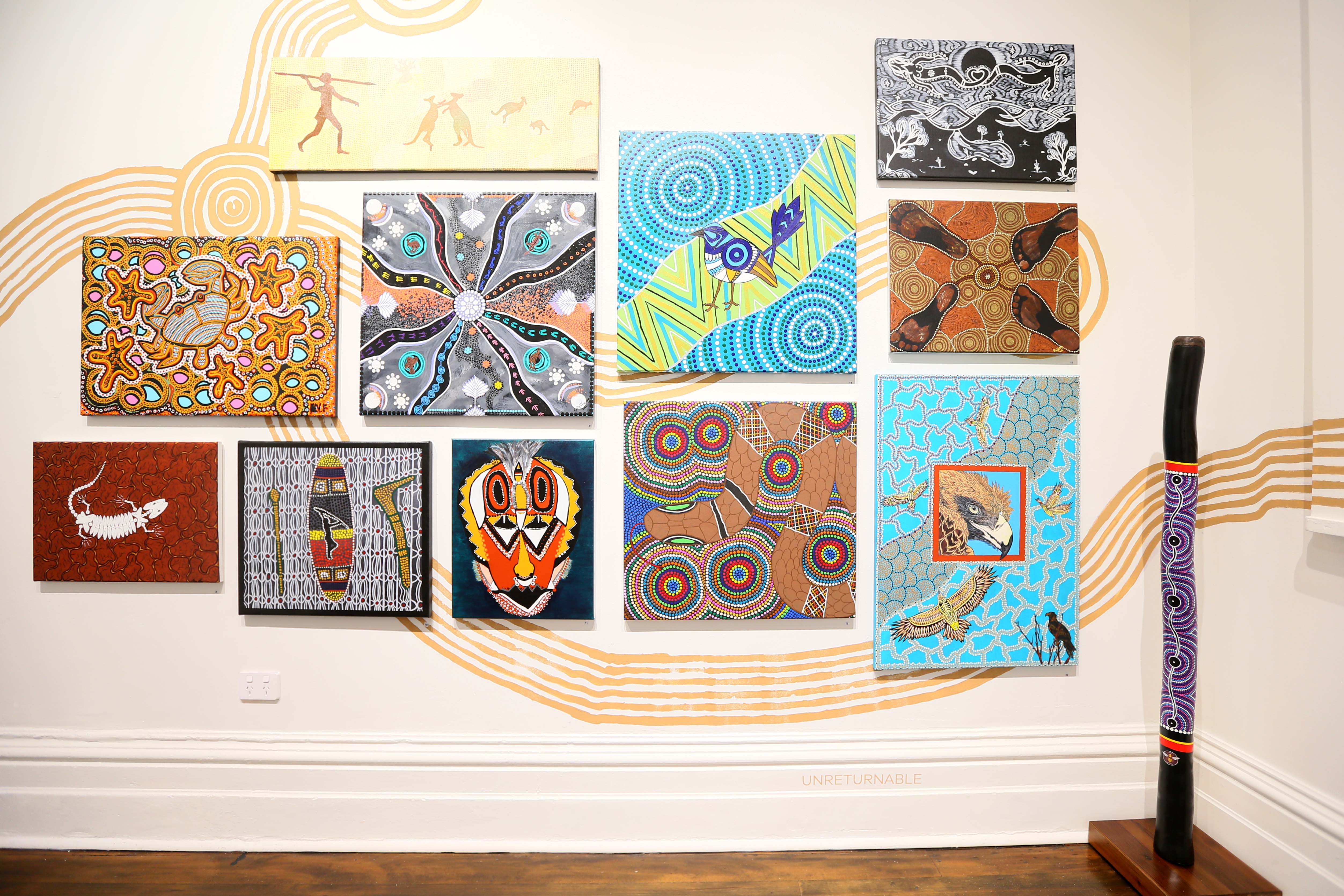
To Be Returned puts artworks coming up to the one year limit on display and in focus for a chance to help make this difference.
The Torch opened the exhibition in March, running until April 11.
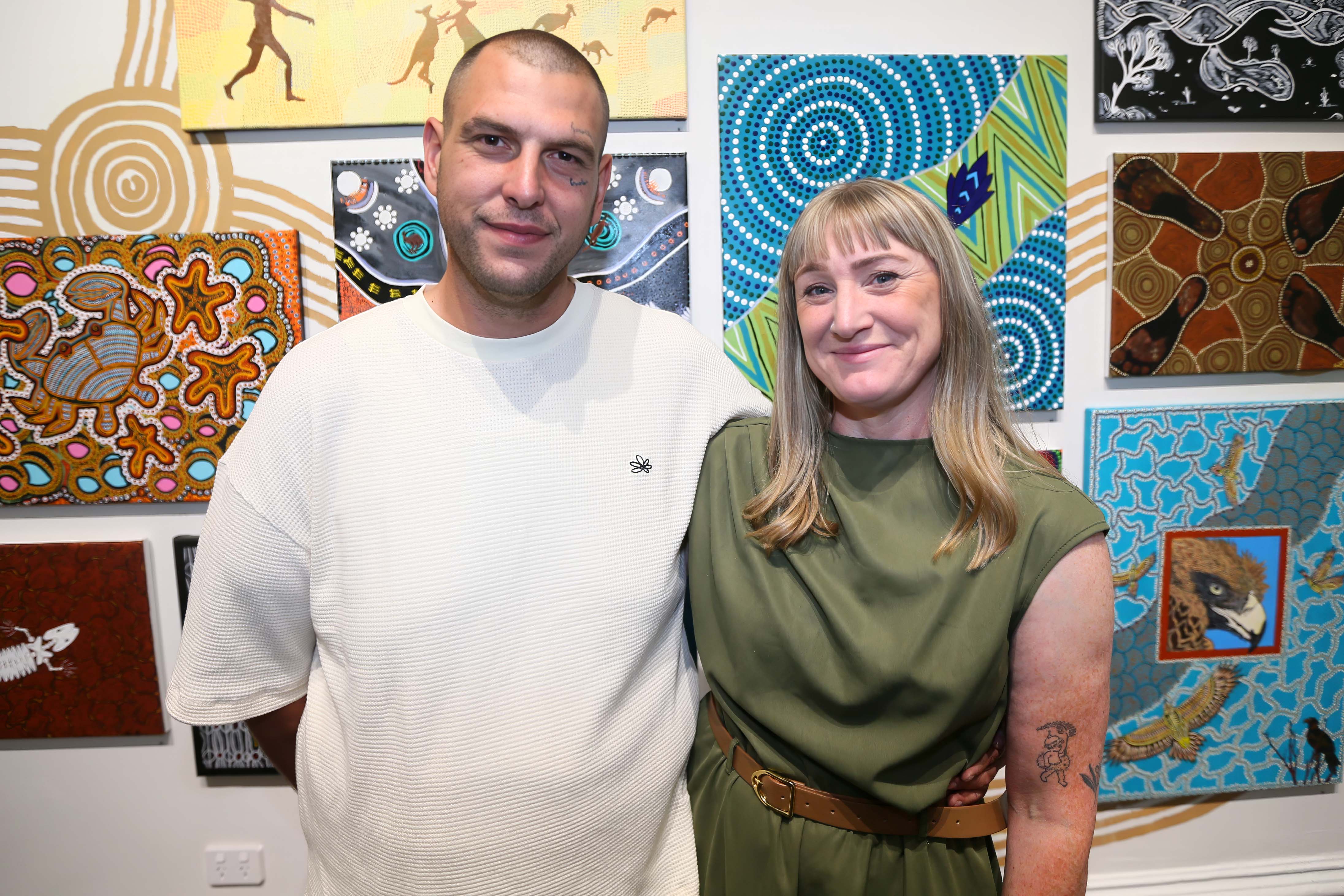
Kelly Flanagan's, or Aalayah, was the first bought on opening night, by a community Elder.
Ms Flanagan is a Wiradjuri woman who picked up a brush around 12 months into a three and a half year sentence, admittedly, a little hesitantly at first. It was at the darkest point of her life at the time, she told National Indigenous Times.
"I'd never painted before...something just kind of opened up in me when I started painting," she said.
"It was like I was working through trauma I didn't know I had...I didn't have to use words to do that."
For her, the difference is The Torch mentors like her having their own lived experience.
"My art mentor has been to prison...she was only here four years ago. If she can be kicking goals, I can too," Ms Flanagan said.
"It's liberating to see another woman who also comes from a similar background, kicking goals and having this wonderful place supporting her. It's like 'Why can't I do that?'. You can do it, because there's proof."
Ms Flanagan said her life has transformed in recent times, and a lot of it has to do with The Torch. She's unlocked something didn't know she could succeed in, found somewhere she can walk in any day and feel loved, even if referring to herself as an 'artist' has been a work in progress.
%20at%20The%20Torch%20Gallery%20-%20image,%20Jarred%20Cross%202.JPG)
The Torch sales coordinator George Ironside has no hesitations giving the artists credit they deserve.
"Most of the people here have not gone and studied art, but there's something in the works here that I feel they're more impactful. I think you can feel the story and the culture and and that Elder influence comes through. It's language. It's coming through the stories," she said.
"You've opened up your diary and you're presenting it to the world," she told Ms Flanagan, "you've shared something very vulnerable and intimate about yourself and your culture with people."
Ms Ironside said every artwork in To Be Returned deserves to be honoured and put in the spotlight for people to see, feel and connect with.
Nari Nari and Wemba Wemba artist Brodie Peters-Godden curated the exhibition, with Ms Ironside.
He's a former operations trainee with The Torch.
The exhibition is the first in a series initiating a new level of professional development and creative collaboration between staff and artists, informed by First Nations-led open calls for exhibition proposals.
To Be Returned illuminates the unique challenges of navigating resources and institutional constraints, coupled with the emotional weight of return," The Torch explains, intended to platform artworks, some never before seen, to give the artists and their pieces recognition and visibility they should.
"This exhibition is not only about return; it is a powerful opportunity for connection, inviting audiences to participate in and become a part of each artwork's journey."
Ms Flanagan was moved to see the Elder who bought her work "proud as punch" to purchase.
"To be respected and held by an Elder, by an Uncle, is amazing. It means a lot to me," she said.