





The Australian Film Television and Radio School (AFTRS) celebrated the final showcase of its landmark 'On Country Pathways Program' on Friday, marking an end to 18 months of mentorship and training for 30 First Nations creatives across Australia.
The On Country Pathways Program (OCPP) aims to create pathways into film, television, radio and podcasting careers through the delivery of bespoke screen and audio training to emerging First Nations creators living in remote, rural and regional areas across Australia.
At the heart of the program is its ability to connect and inspire mob to pursue their passions, develop their creative skills and share them with their communities.
"AFTRS has successfully brought its world-class screen and audio training to about 80 First Nations people of all ages, genders and backgrounds over the past 18 months," said Arrente and Kalkadoon woman and AFTRS Chair, writer, director and producer Rachel Perkins.
"As the final event in this transformative program, Gadigal Week will be a beautiful opportunity to bring First Nations creatives together to enhance their skills even further, to share their experiences with each other and to take what they've learned back to their communities to teach and inspire others."
After concluding workshops across Western Australia, Queensland, Northern Territory, New South Wales, and the Torres Strait, 30 top participants travelled to Gadigal land (Sydney) last Monday for the program's final week.
Held at the Australian Film and Television School, its final week - named 'Gadigal Week' - saw the participants work in AFTRS' world-class facilities to produce their final works for the showcase.
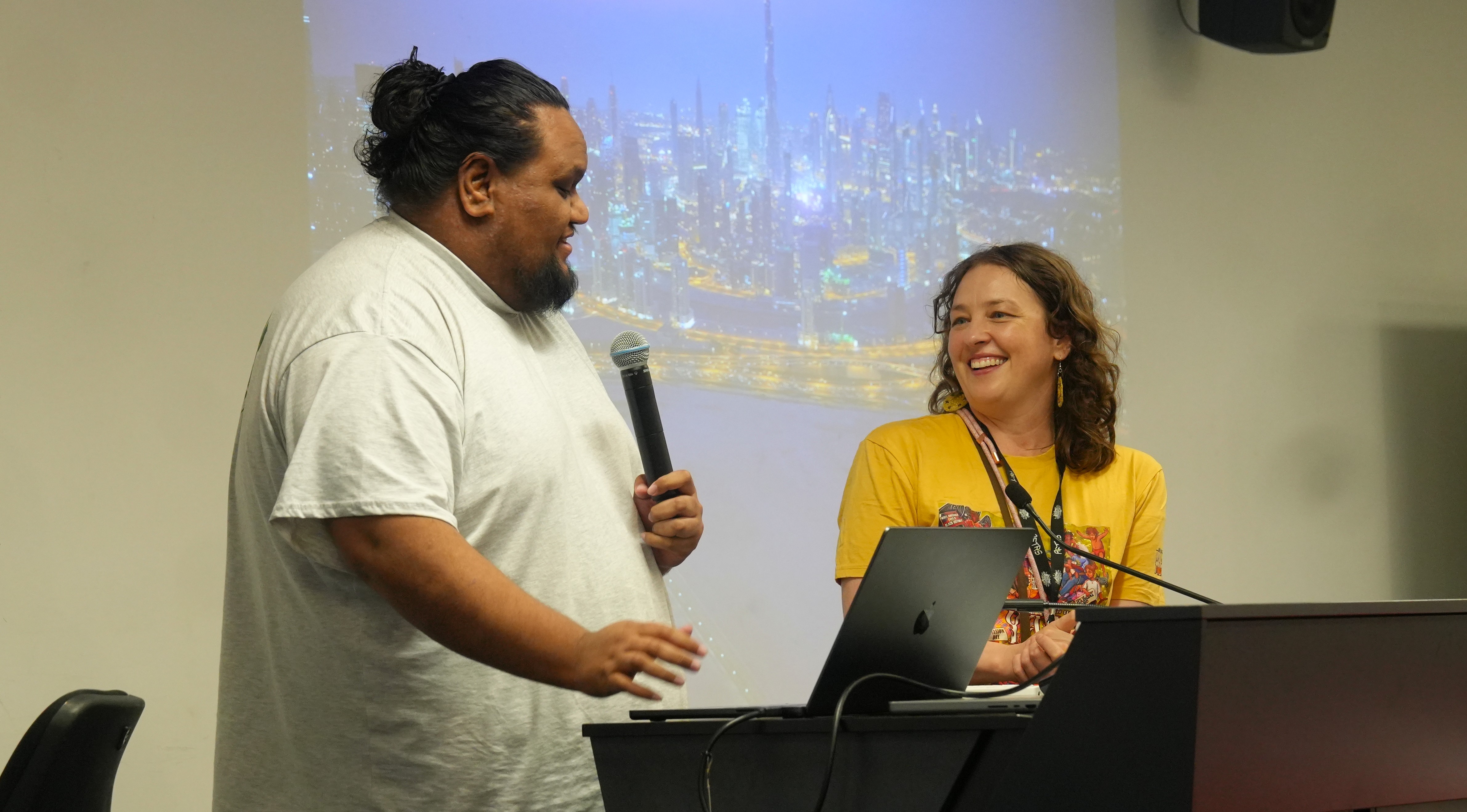
The showcase celebrated participants' growth over the course of the program, with films, podcasts and screenwriting pitches presented to the cohort. But while skill development played an important role during their training, the strong connections between participants shone through as the true highlight of the program.
Brenton Woods, an Anmatjere man from Mparntwe (Alice Springs), says the experience had been both welcoming and inspiring.
"It's been amazing, you know, like everyone gets around each other," Mr Woods told National Indigenous Times.
"I was a little bit nervous coming here because it's just a different place, different Country, but they've been making it so welcoming.
"The most valuable part, I think, is just the connections you build with everyone - from the staff members to each person that's in the same program as you."
Similarly, Eli Blackman, a Gurang, Gooreng Gooreng, Bindal, Kaantju, Badtjala and South Sea participant, said the program had helped build his confidence.
"It's been amazing. The support has been next to none, like it's been so good. Being with mob, like-minded people who love radio, love media, love podcasting, networking, all that stuff has been amazing," he said.
Hailing from the Sunshine Coast, Mr Blackman appreciated the program's ability to connect mob across the nation.
"I've loved being here. I've loved connecting with mob. This program has made me network with people around the country, especially Torres Strait Islanders."
Fellow participant Aaliyah Anderson, a Jiman and Ghungalu woman from Mparntwe, described the program as a return to old ways in a modern setting.
"[Having] all of us mob here together is like old school," Ms Anderson said.
"It's like networking, but in a good way - mob supporting mob. And that's what it should be, because without each other, who knows where we will be."
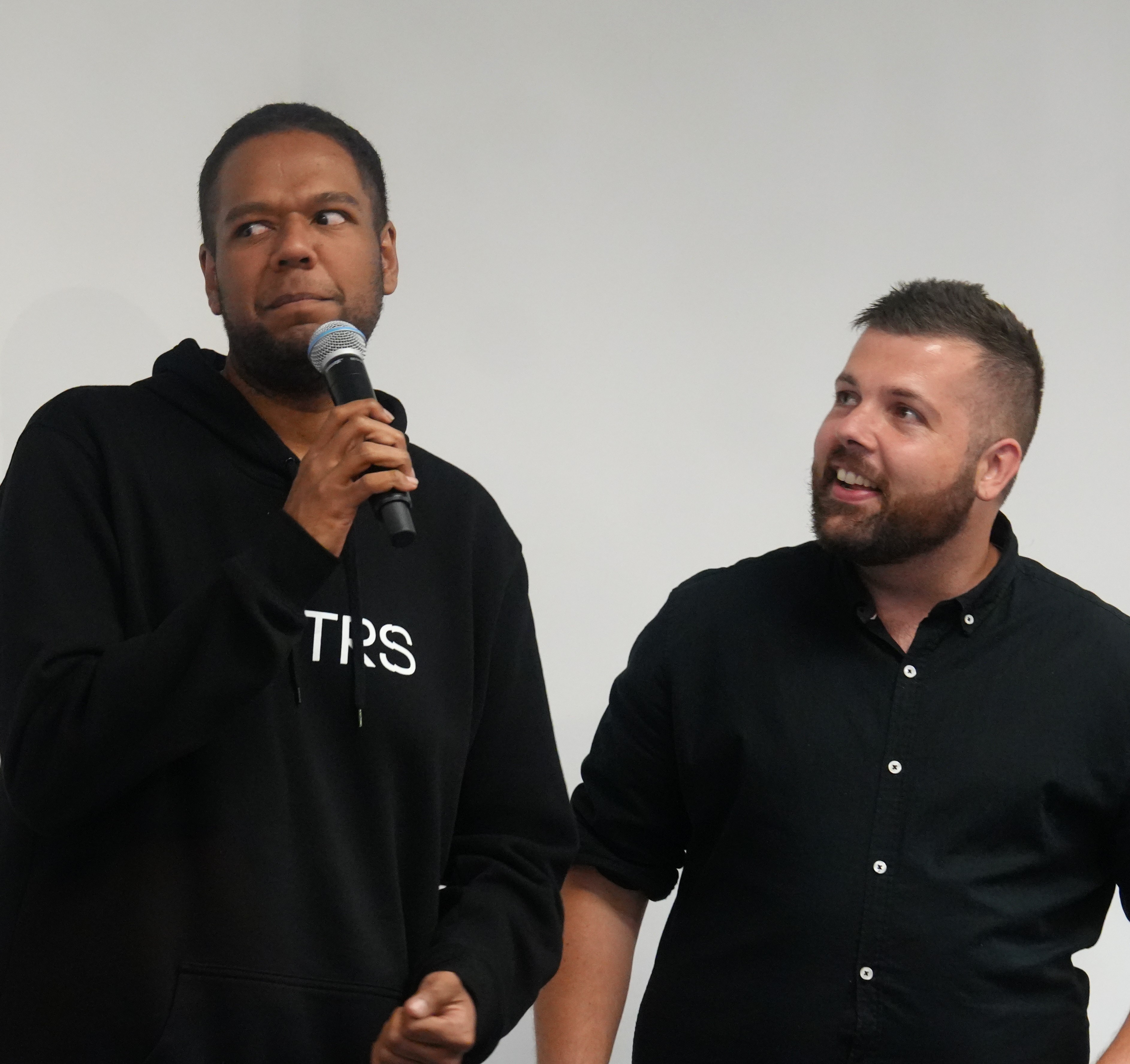
As the cohort said farewell to OCPP, Peter Noble, a Girramay and Bandjin man and director of First Nations outreach and events at AFTRS, also reflected on the program and its future.
"We know, amongst our peoples, we've got amazing stories to tell. And you know, we really feel passionately at AFTRs that social cohesion through a more diverse range of storytellers is really important for Australian society," he said.
Reflecting on the final week, Mr Noble said it was filled with both pride and sadness.
"It's mixed emotions. You know, we're really, really happy and we're really excited, but we're also a little bit sad, because it's just been such a wonderful journey over the last year and a half," he said.
"But this is hopefully phase one," Mr Noble told National Indigenous Times.
"We're hoping to go around again and to build upon the On Country Pathways Program...it would be wonderful to have a mentoring program that continues with those that we've already delivered training to."
To future participants, this year's students encourage them to confidently tap into their creative potential through the OCPP.
"AFTRs is a great platform to break that shame factor, do what you got to do, because you know what, we have to shine as well," said Mr Blackman.
"And there's definitely space for Aboriginal and Torres Strait Islanders in the media industry. So, take that next step and be brave and break that shame factor down."
Ms Anderson also encouraged future participants to seize the opportunity.
"If you get an opportunity like this, take it up, because you never know when it's going to happen again, and it's okay to choose yourself...I nearly said no to this, and I nearly lost this opportunity," she said.
"So, I think it's good to do self-growth, self-improvement, and also to find out what other skills you are capable of, because only you are in the race. So take up that race and get to that finish line."