




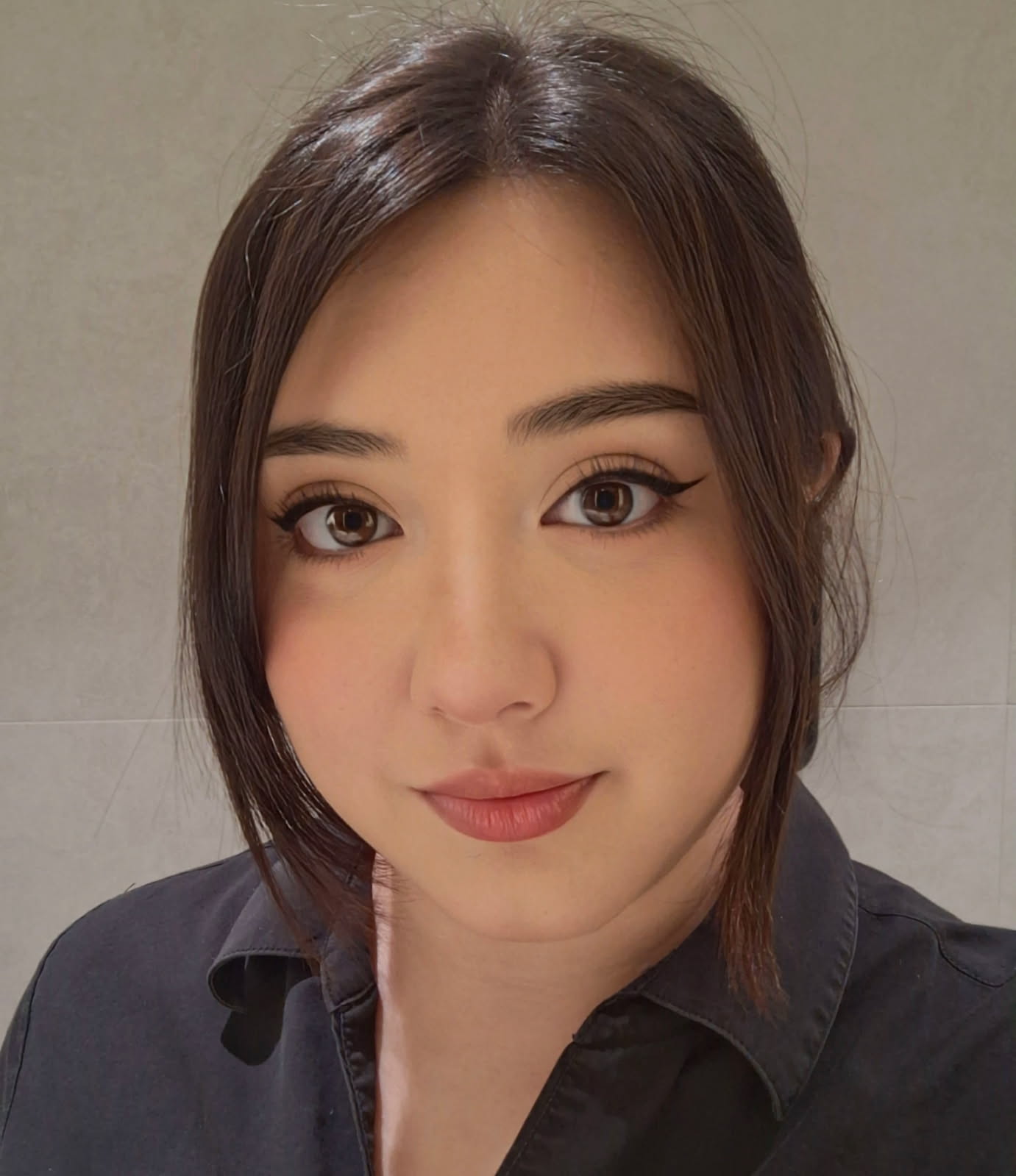

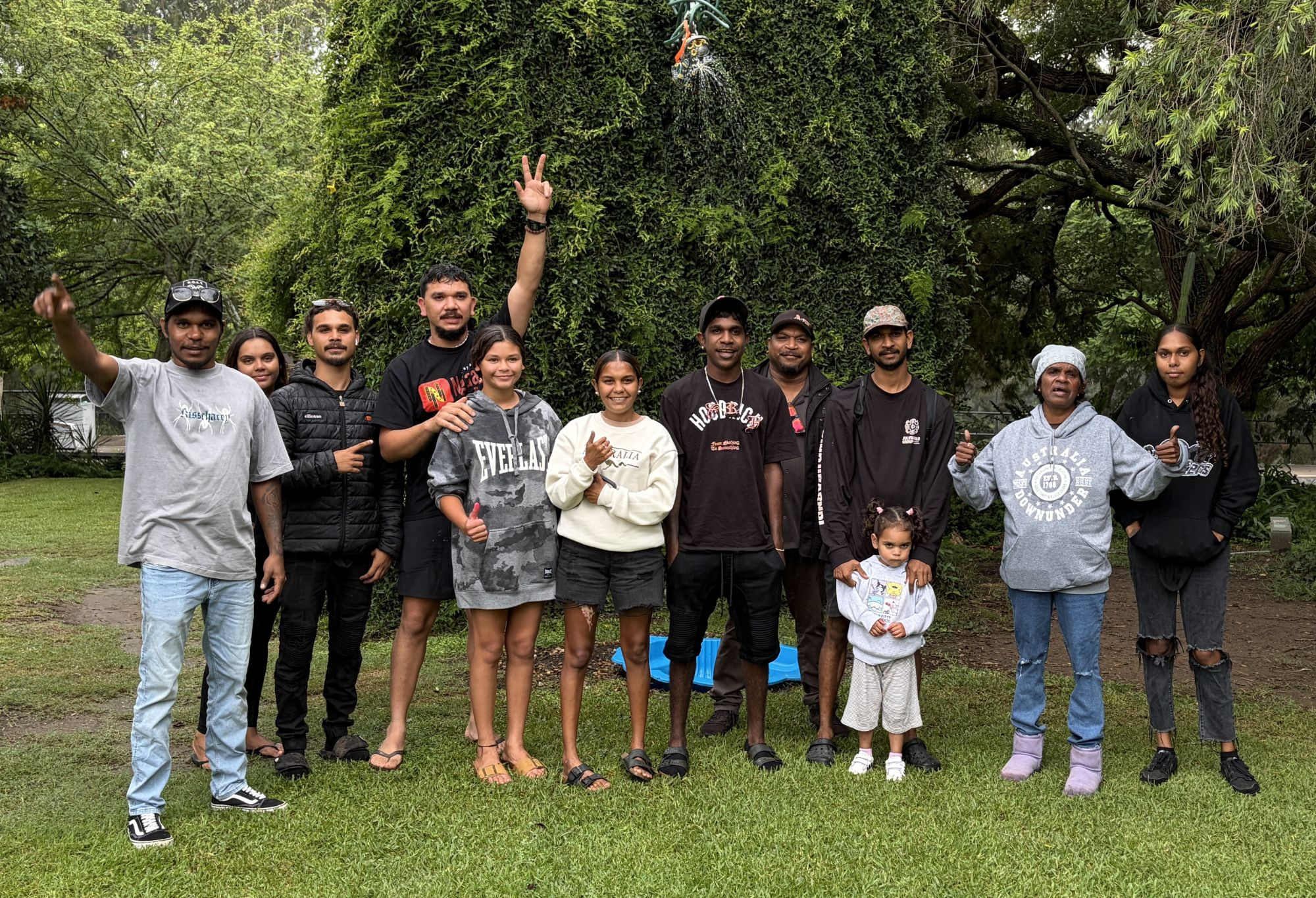
Yindjibarndi Elder and artist Wendy Hubert has travelled from the Pilbara to Sydney to create a garden installation for the 25th Biennale of Sydney, with Penrith Regional Gallery welcoming her alongside Juluwarlu Art Group and the Yindjibarndi Rangers last Saturday.
Yindjibarndi Nyinyart at Wendy's Garden is a collaborative installation created in the garden of Lewers: Penrith Regional Gallery (PRG) which was commissioned for the 25th Biennale of Sydney: Rememory. The theme explores how acts of remembering, personal, familial, and collective, can reclaim histories that have been erased or overlooked.
In collaboration with the Juluwarlu Art Group and the Yindjibarndi Rangers, Ms Hubert created a major new multidisciplinary installation including a suite of her paintings with video projection, sound, and a large-scale indoor/outdoor 'garden' installation.
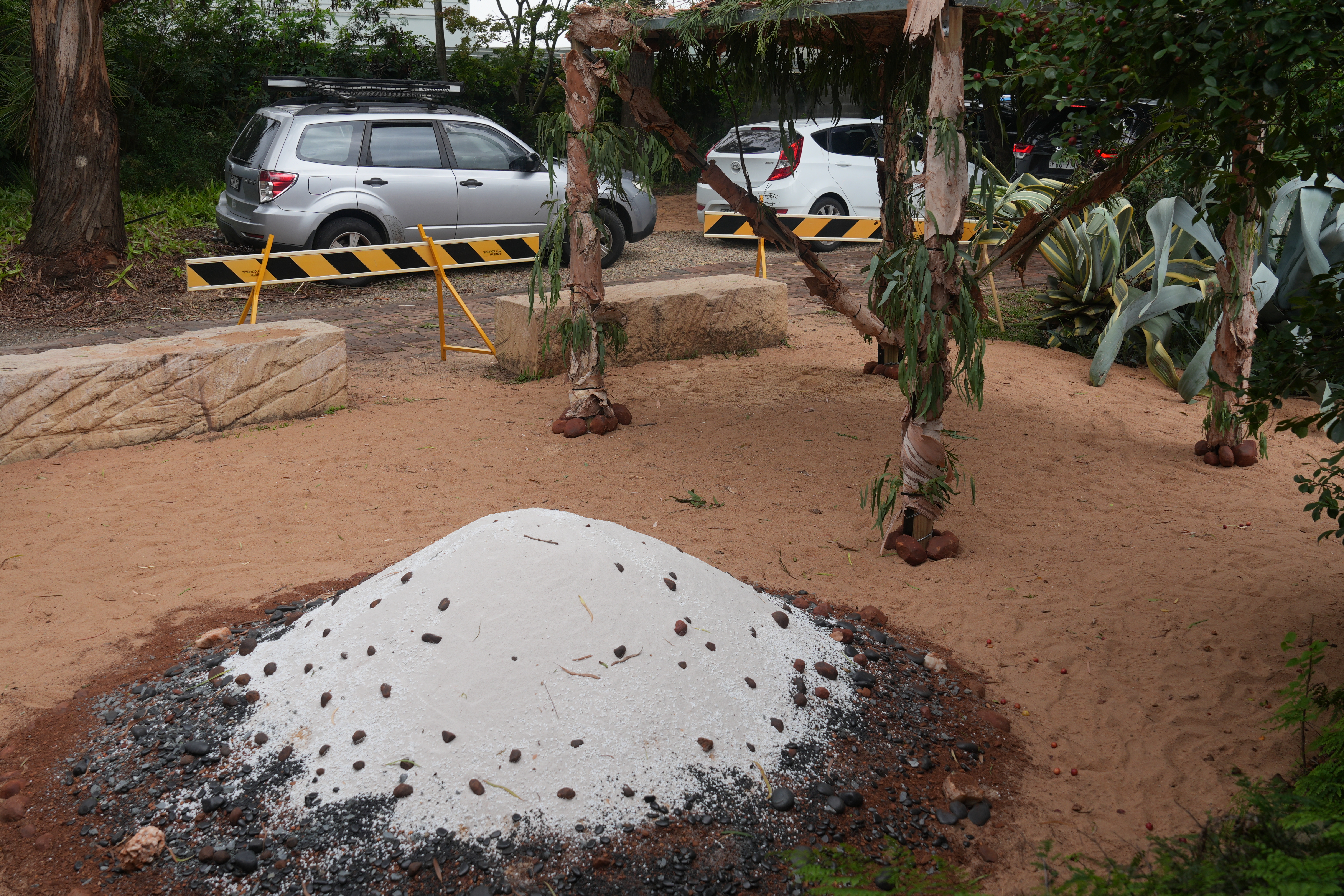
The outdoor installation transforms the gardens at PRG into an immersive, on Country-inspired experience which reflects the immense regeneration efforts taking place at Ngurrawaana while reimagining four important Yindjibarndi sacred sites, such as Munguu (anthills) and Thalu (increase sites).
.JPG)
Travelling nearly 5,000 kilometres from Ngurrawaana in the Pilbara, Western Australia, the long journey ended after 53 hours of travel. The journey, documented in a daily blog across, also involved transporting cultural materials from their homelands on Yindjibarndi Country.
When asked about her invitation to the Biennale, Ms Hubert described it as "amazing".
"I gained this wonderful heritage call, and I didn't think I had it, but I do have it. And that's the amazing part of it all, and I'm in a good place," Ms Hubert told National Indigenous Times.
Reflecting on the Biennale's theme of Rememory, Ms Hubert spoke about her early life and how those experiences shaped the installation.
Born at Red Hill Station on Guruma Country in Western Australia, she spent her early years living on the station, as well as Minderoo Station, before later deciding to leave that life behind.
The memories of those early landscapes remain central to Ms Hubert's work. She explained the installation resonates with the Biennale's theme, recalling the gardens of the stations where she grew up, which were filled with exotic plants such as mango and passionfruit.
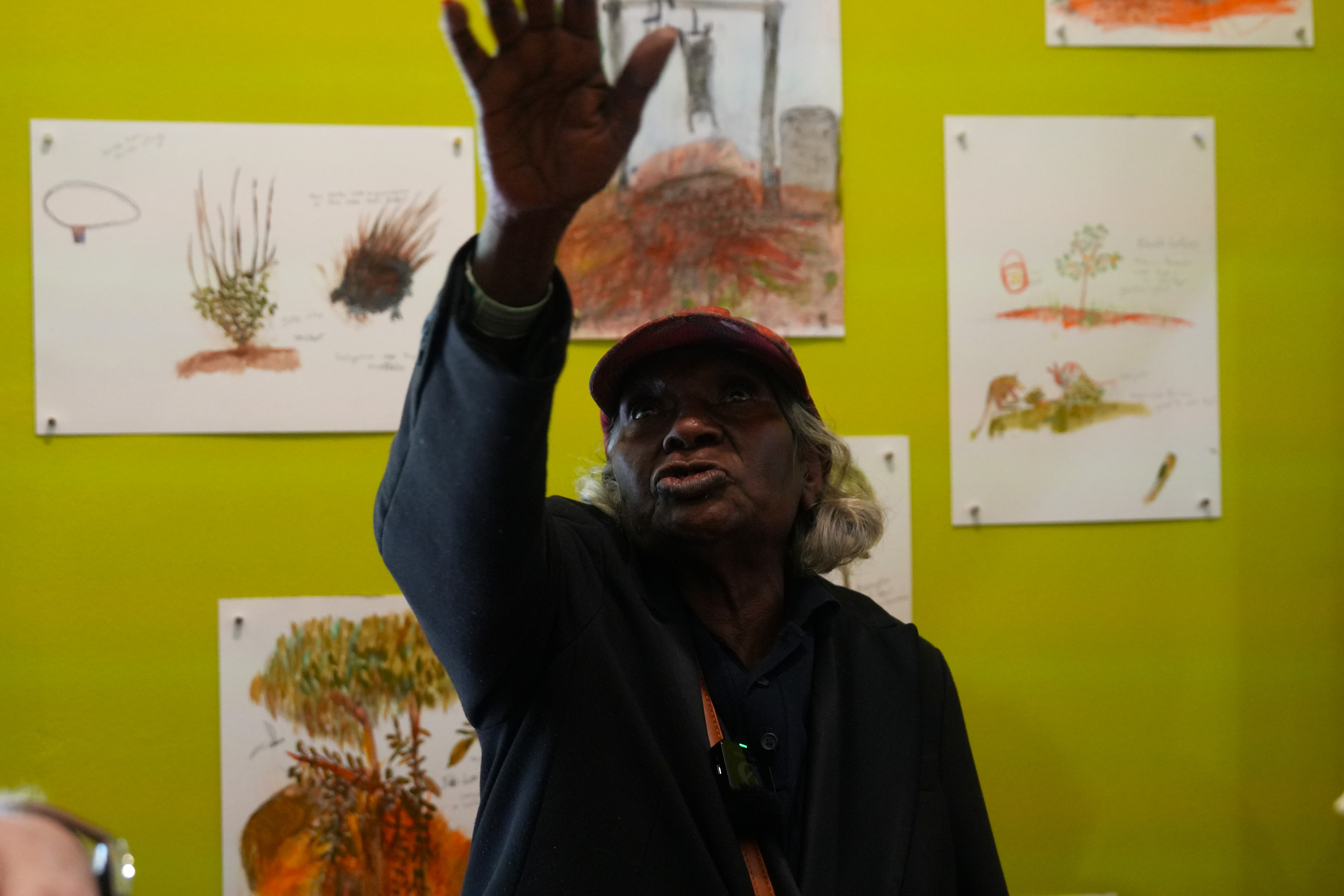
"As a teenager, I went back to my mother's mother, and I stayed there. I never went back to station life because that was my father's life," Ms Hubert told National Indigenous Times.
"I think of how beautiful it was. Sometimes it was too good... [although] I had to eat with a fork and knife, and I learned that with my dad, because I'm really a bush kid."
As an homage to the stations of her early life, an existing banana tree at PRG will also feature in the installation.
As PRG prepares to welcome the public on Saturday, Ms Hubert said she hopes she can meet her audience.
"I hope they meet me in person...and it's a privilege to show you my painting, because I just do what I do in my heart," she said.
.JPG)
Lorraine Coppin, a proud Yindjibarndi woman from the Pilbara and Ceo of Juluwarlu Aboriginal Group Corporation, also shared her thoughts ahead of the opening.
"[Ms Hubert] wanted to create and share with everyone the stories and the practices of our ceremonies back home. So when she paints, she paints these stories," she said. "So we wanted to duplicate what we do back home, in regard to ceremony too."
Acting as artistic director and creator of the garden installation alongside Ms Hubert, Ms Coppin expressed her happiness to be included in the Biennale.
"We got really excited because people want to showcase and share our story," Ms Coppin told National Indigenous Times.
"You can see there's a lot of work that went into the garden display, with rocks coming from home, a lot of the plants from home. We obviously borrowed some from the [local Dharug people] here, who contributed to our garden display, and we set it up as we would see back home."
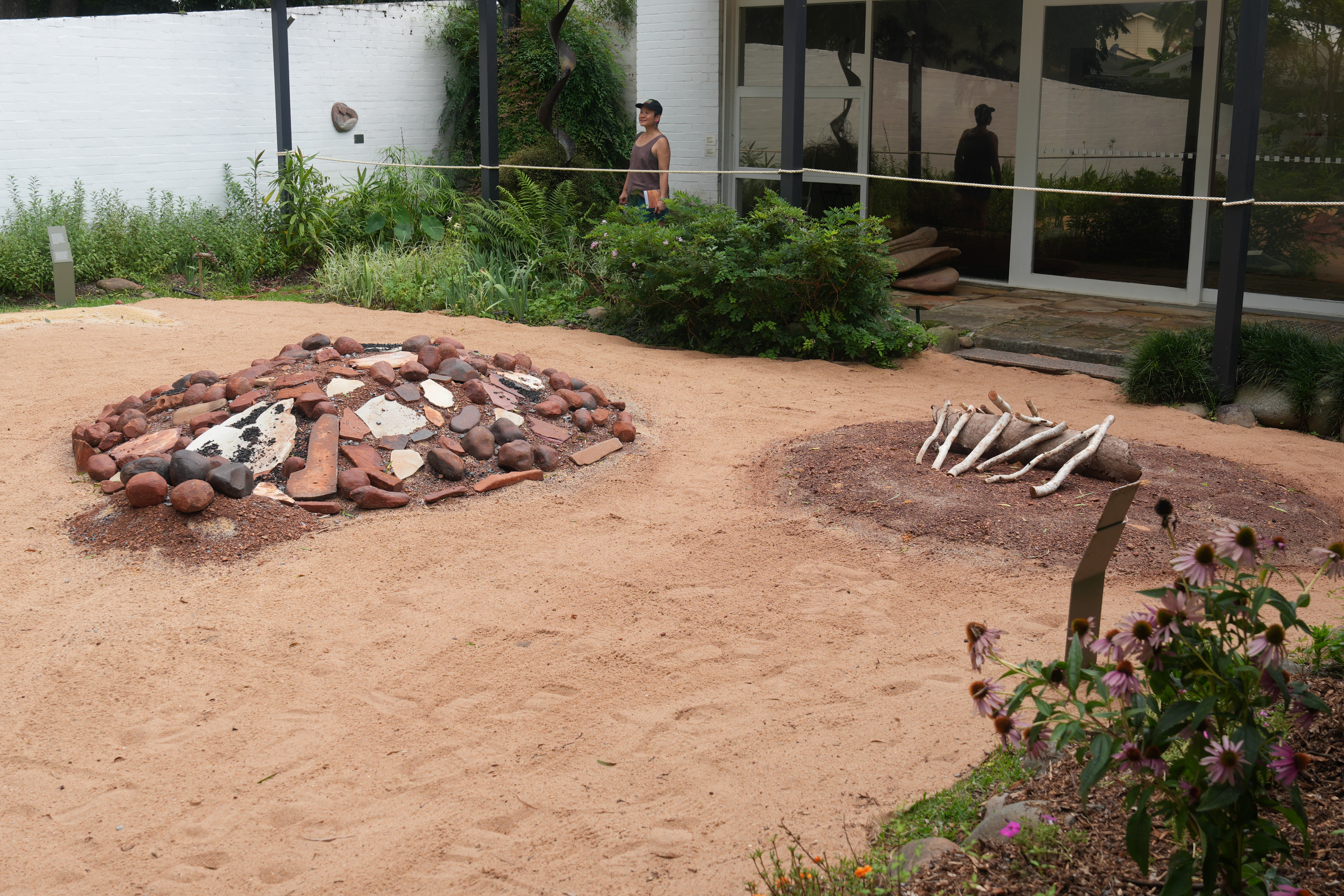
Ms Coppin also emphasised the importance of the installation materials coming from their home in the Pilbara.
"Well, the colour of our Country is different to here," she said. "The plants of our country are different to here, and we want to showcase that. You know, things like the spinifex. You don't get spinifex here, but we do. It's all around the Pilbara community."
Ahead of the garden installation opening to the public, Ms Coppin hopes that audiences leave with a better understanding of why Country is so important for First Nations peoples.
"Hopefully, they will get a better understanding of why Country is so important to us, why plants and animals are so important for our survival," she said.
"Sharing this will help you to be our messenger, to help us in return for the next generation. So it's about survival for us, about who we are as Aboriginal people...We are one."
The 25th Biennale of Sydney: Rememory runs from 14 March to 14 June 2026, with free public entry. Participating sites include Lewers: Penrith Regional Gallery, White Bay Power Station, Art Gallery of NSW, Campbelltown Arts Centre and Chau Chak Wing Museum, University of Sydney.