





Australia has one of the richest linguistic landscapes on the planet, certainly the oldest, and it needs to be actively protected.
International Mother Language Day - 21 February - as approved by UNESCO in 1999, is a good reason to shine the light brighter on Indigenous languages.
More than three-quarters of Indigenous languages no longer in use
Australia is home to more than 800 unique Aboriginal and Torres Strait Islander languages.
Today, fewer than 150 Indigenous languages remain in daily use, and, according to First Languages Australia, all are endangered.
Gambay is an interactive map developed by First Languages Australia that shows the languages spoken, searchable by English place names as well as searches of Indigenous languages and words (exact spellings not needed).
First Languages Australia program manager Annalee Little said the organisation works across a range of areas to support communities on the ground in undertaking language revitalisation activities. These include language education, national languages policy and legislation, strengthening the languages sector, language collections, place names, and creating resources and programming.
"We are working towards a future in which all Aboriginal and Torres Strait Islander language communities have full control over their language, to use them as much as they want and in the places they want to," Ms Little said.
"We know our languages intrinsically connect us with our culture, our Ancestors and our lands.
"Research has shown that for Aboriginal and Torres Strait Islander people, taking part in language programs is linked with multiple aspects of wellbeing including good to excellent general health; high happiness; high life satisfaction, and cultural connectedness."
First Languages Australia website has many free resources available for employers, educators, community groups and anyone interested. There's also a 50-word interactive map, a project that features 50 words with spoken pronunciations for many of Australia's surviving Indigenous languages.
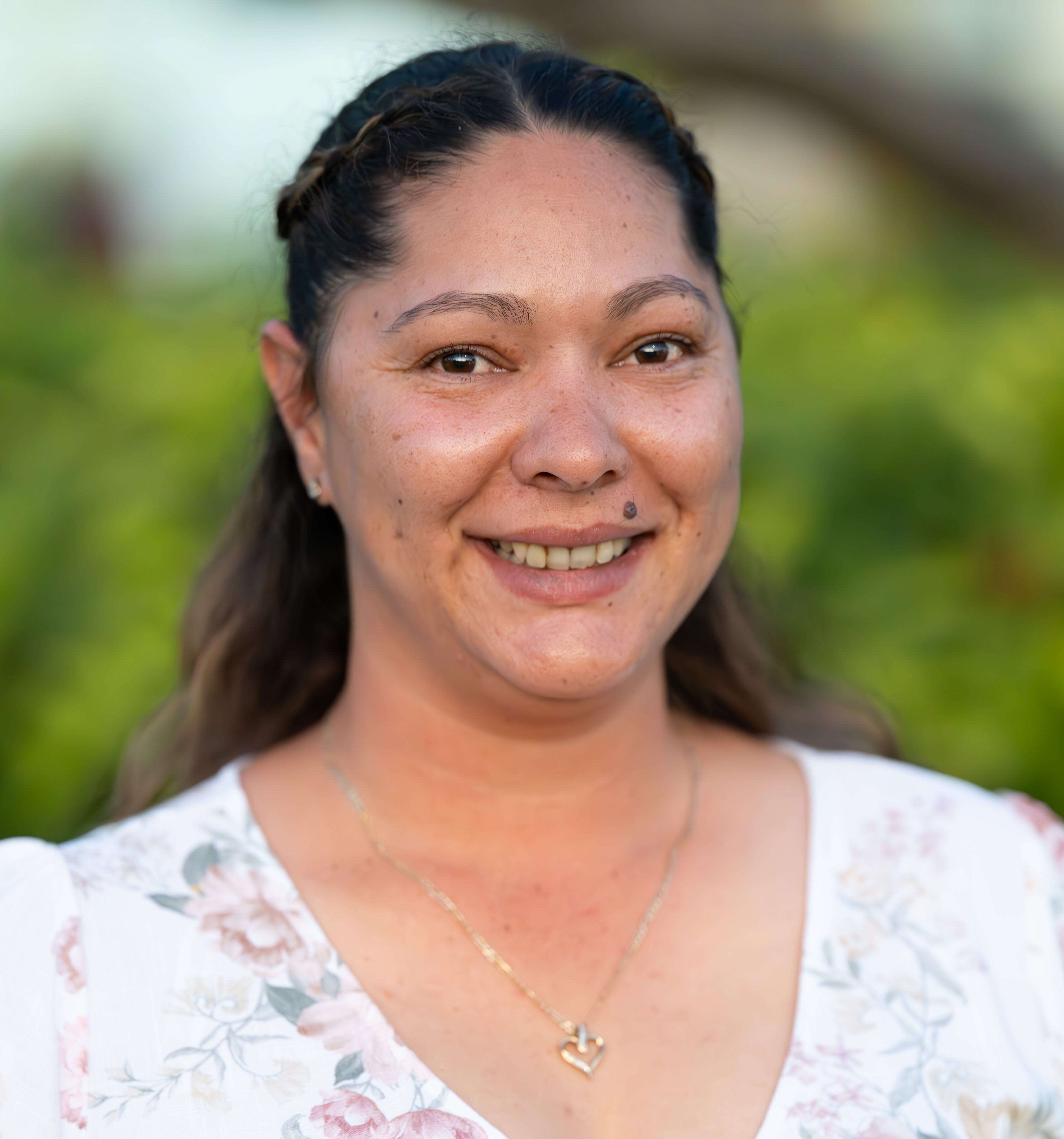
Language carries cultural knowledge, law, history, humour, Songlines and deep relationships to Country.
Tourism plays a significant role in helping preserve language and Tourism Australia, via Discover Aboriginal Experiences, promotes vetted Indigenous experiences across Australia for visitors.
"Language is at the heart of who we are," said Discover Aboriginal Experiences executive officer, Nicole Mitchell.,
"When visitors join an Aboriginal-guided experience, they're not just learning about a place - they're hearing the words, sounds and stories that belong to that Country.
"Supporting language revival means supporting culture, identity and community wellbeing."
'Restoring knowledge systems that have been carried for tens of thousands of years'
One of the most powerful examples of language revitalisation in action is Gumbaynggirr Giingana Freedom School, Australia's only Aboriginal language school.
Based on the Coffs Coast in New South Wales, it teaches Gumbaynggirr language through a full curriculum, led by community and grounded in Country.
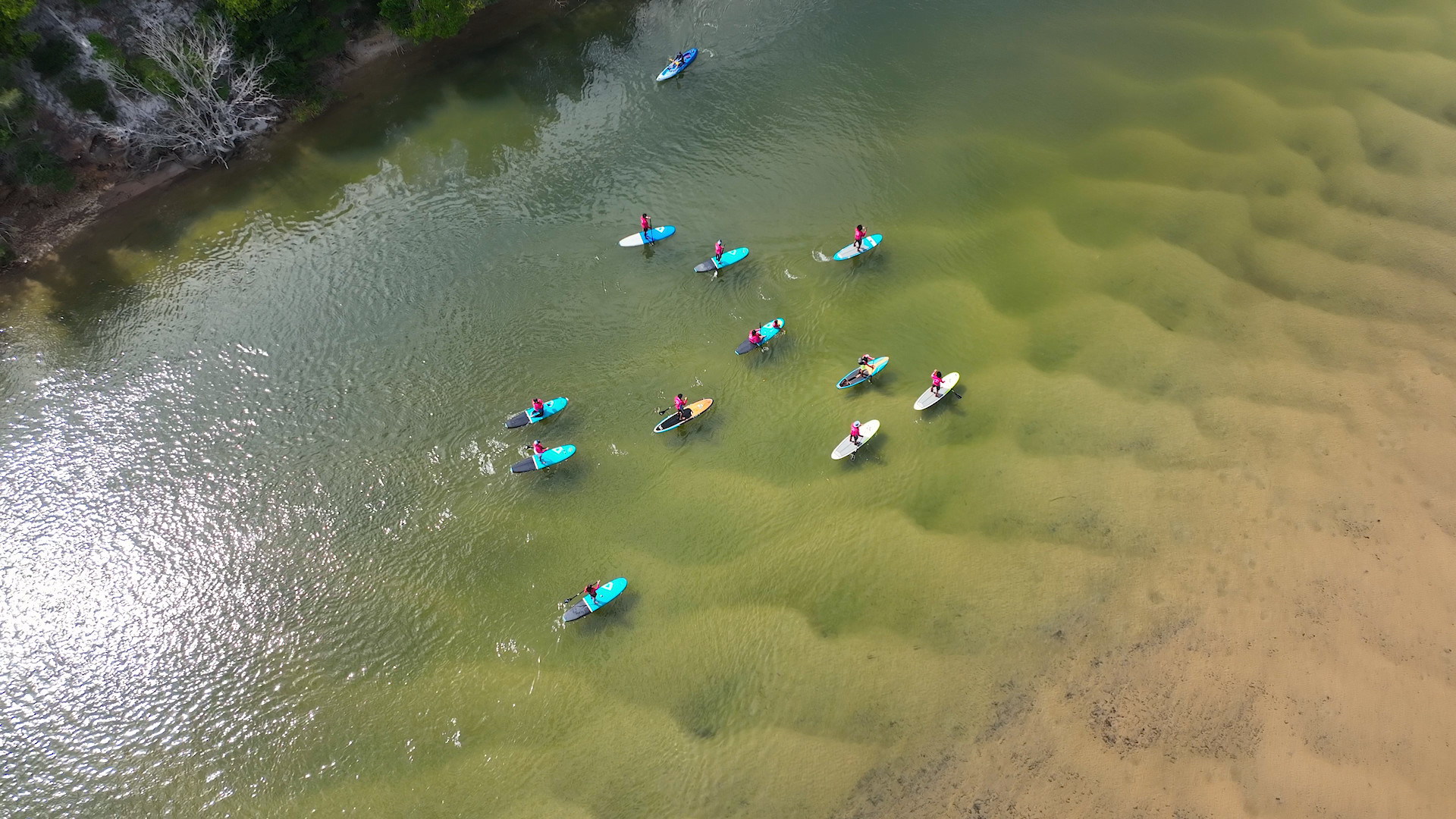
The school is funded through grants, donations and the proceeds of tourism business, Wajaana Yaam Gumbaynggirr Adventure Tours, offering walking and stand up paddleboards tours, employing Indigenous guides in an inspiring example of a circular economy.
Giingana School founder and operator of Wajaana Yaam Gumbaynggirr Adventure Tours, Clark Webb, said it's important to immerse guests in cultural experiences which includes Gumbaynggirr language, stories and knowledge on Country.
"Language holds our worldview," Mr Webb said.
"When you revive a language, you're not just bringing words back - you're restoring knowledge systems that have been carried for tens of thousands of years.
"Sharing language through education and tourism helps ensure it stays strong, relevant and lived, not locked away."
Non-Indigenous Australians can help keep language alive
Max Veenhuyzen, a Western Australian based food journalist who also MCs culinary events such as the Margaret River's state-government backed food festival, Pair'd, likens learning Indigenous language to travelling.
When introducing celebrity chefs at a long-table lunch in the forest to about 400 guests, and with permission from Traditional Owners, Mr Veenhuyzen spoke in Noongar, then translated his opening remarks to English.
"Just like travelling overseas, it's polite to learn a few words of language when you're a visitor, and I like to think the same applies when on Country," he said.
It's just one example of how Australians can embrace their local language which helps keep it alive.
There's much to celebrate about the world's oldest spoken language.
"International Mother Language Day is a chance for our communities to celebrate their beautiful and unique languages, whilst also knowing they are part of an international network of Indigenous language communities, all connected by our aspirations for a future of language vitality," Ms Little said.
Visit your local Indigenous Language Centre or start with Gambay for more information.