





Cultural leaders from across Queensland gathered this week to explore the lasting legacy the Brisbane 2032 Olympic and Paralympic Games could leave for the state's arts and creative sectors.
The inaugural workshop of the Creative Brisbane Collab.'s 'Cultural Legacies Project' brought together more than 120 representatives from the arts, business, academia and community.
Discussions focused on how to ensure Aboriginal and Torres Strait Islander cultures, artists with disability, young creatives, local infrastructure and the nighttime economy are supported in the lead-up to and beyond 2032.
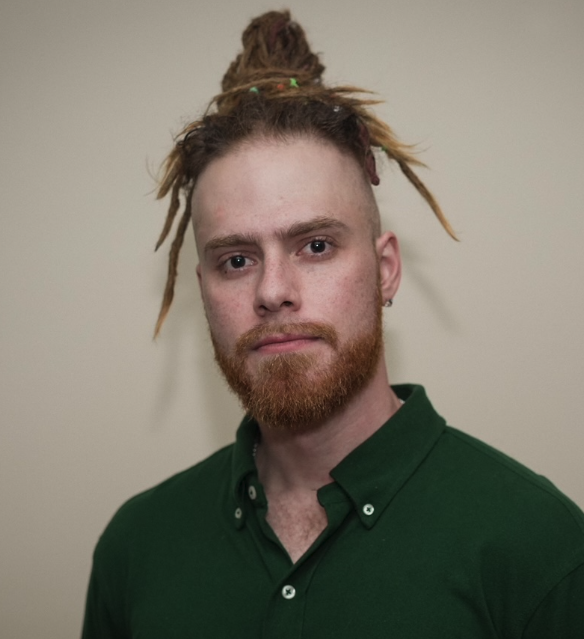
Among attendees was Queensland Performing Arts Centre's Director of First Nations Strategy, Palawa man Kurt Schulte-Schrepping, who said the concept of legacy must go beyond performance or presentation.
"What do we want Brisbane to look like at the end of the Olympics and Paralympics plus one day?" he said.
"We know there could be a point where our culture gets used as a commodity to sell tickets and bring people in.
"Once that's done, does the tap get turned off?"
Mr Schulte-Schrepping said the forum emphasised the need to embed Aboriginal and Torres Strait Islander culture into daily life across sectors and systems, not just for major events.
"What are the ways we can integrate our knowledge into broader Australian culture to strengthen it so it is visible everywhere, not just in Aboriginal and Torres Strait Islander communities," he said.
He said while the Queensland Government recently rejected proposals for a dedicated cultural centre, the need for a permanent space remains strong.
"It's important to have our own space where culture can be celebrated and lived by us, but also where non-Indigenous people can come, engage and go, 'Wow, I can understand the beauty of it and the connection that exists to this country'," he said.
Mr Schulte-Schrepping said international visitors consistently seek authentic cultural experiences which Queensland has a unique opportunity to deliver through First Nations leadership.
"Other places have beaches, barbecues and Western cities, but they don't have what we have," he said.
"When we go overseas, we want an authentic cultural experience.
"You could go to Cairns for that, you don't have to go to Vietnam... that's the opportunity here."
QPAC, where Mr Schulte-Schrepping has worked for the past two years, has already begun taking steps to reflect these values within its operations.
"We spent over a million dollars on Aboriginal and Torres Strait Islander procurement last year between artists and businesses," he said.
"We had an objective for 4 percent of all hours worked here to be by First Nations employees and we've hit 8 per cent."
He said audience attendance by Aboriginal and Torres Strait Islander people had increased significantly and QPAC continues to invest in First Nations programming through works such as Leah Purcell's 'The Drover's Wife'.
"I see an Australia where non-Indigenous Australians appreciate, value and share culture in a way that they believe makes their lives better," he said.
Outcomes from the workshop will contribute to a strategic roadmap for cultural investment and programming as Brisbane prepares for 2032 and beyond.
More information about Creative Brisbane Collab. and the 'Cultural Legacies Project,' is available via the Creative Brisbane Collab. website.