






New Zealand's film industry is celebrating a major success with the release of Tinā.
Directed, written and produced by Miki Magasiva, the film earned $1.3 million at the box office during its opening weekend.
Since its release, Tinā has sold more than 321,952 tickets in New Zealand, earning $5,030,777 to date.
It has become the widest release for a New Zealand film, screening across 128 locations in New Zealand, Papua New Guinea, the Cook Islands, Fiji and Samoa.
Tinā has now entered sixth place on the Top Ten Most Successful Kiwi Films list, joining titles such as Hunt for the Wilderpeople and Whale Rider.
Samoan-born Magasiva said the film took several years to develop, reflecting a long commitment to the story.
"Probably took about three or four years to write the script," Magasiva told Radio Samoa.
"And then it took probably another three years to finish completely making the film. So six or seven years all up."
Tinā follows Mareta Percival, a Samoan teacher who takes a substitute teaching role at a private school after the loss of her daughter in the Christchurch earthquakes.
Through her work, she finds a way to guide and inspire her students.
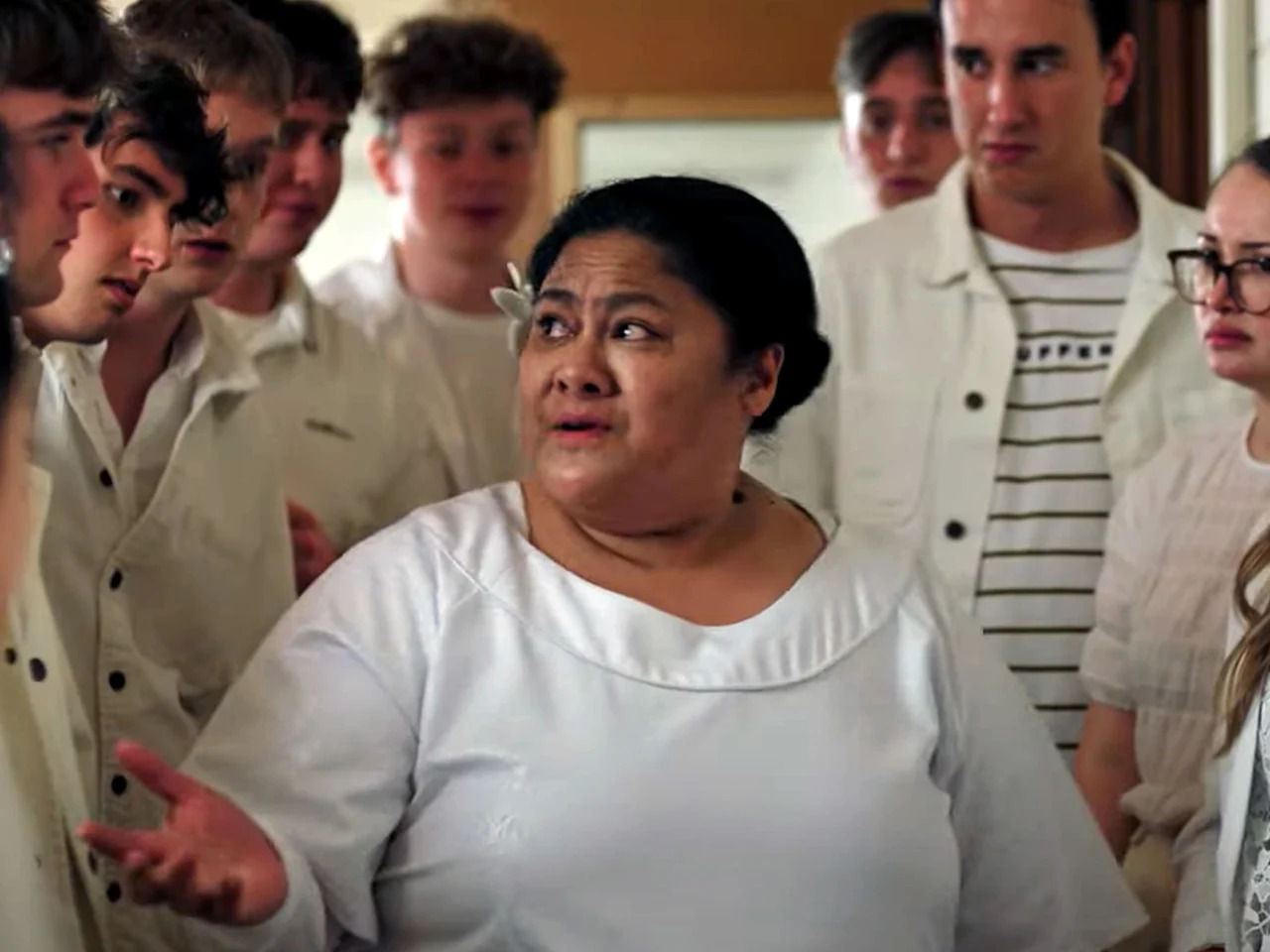
The film stars Anapela Polataivao as Mareta, Beulah Koale as Sio, Nicole Whippy as Rona and newcomer Antonia Robinson as Sophie.
Magasiva said the decision to name the film Tinā was deliberate and meaningful, acknowledging the role of Samoan mothers and women.
"As all Samoans know, Tinās are a very important part of our lives," he said.
"They're our leaders, they're our mentors, they're our guardians, and they're also our teachers.
"I wanted to do a movie that paid tribute to that."
Reflecting on the themes in the film, Magasiva said he wanted to explore real-life challenges such as grief, loss and mental health.
"If I'm honest, it's just what we go through in life," he said.
"There are lots of those themes in the film, but I think we all go through them."
Magasiva said entering his 40s made him reflect more on these experiences, as family and friends faced health challenges and mental health struggles.
He credited his family with providing the support needed during the long journey of making Tinā.
"It's important that your home really supports you, especially when you go on a journey this long and you don't get paid or any money while you're doing it," he said.
"My parents and my brothers and my partner and my son, all of the family chimed in at some place to either give me encouragement or ideas or support during that time."
Magasiva said the success of Tinā shows the potential for more traditional stories to be told and funded.
"What I'm trying to do is create a pathway so that they can look at our stories more and that they can see that not only our people will watch these, but everybody will watch these," he said.
Looking ahead, Magasiva said he hopes to film future projects in Samoa.
"I would love to come back and shoot a story based in Samoa and really showcase the homeland and the people."