





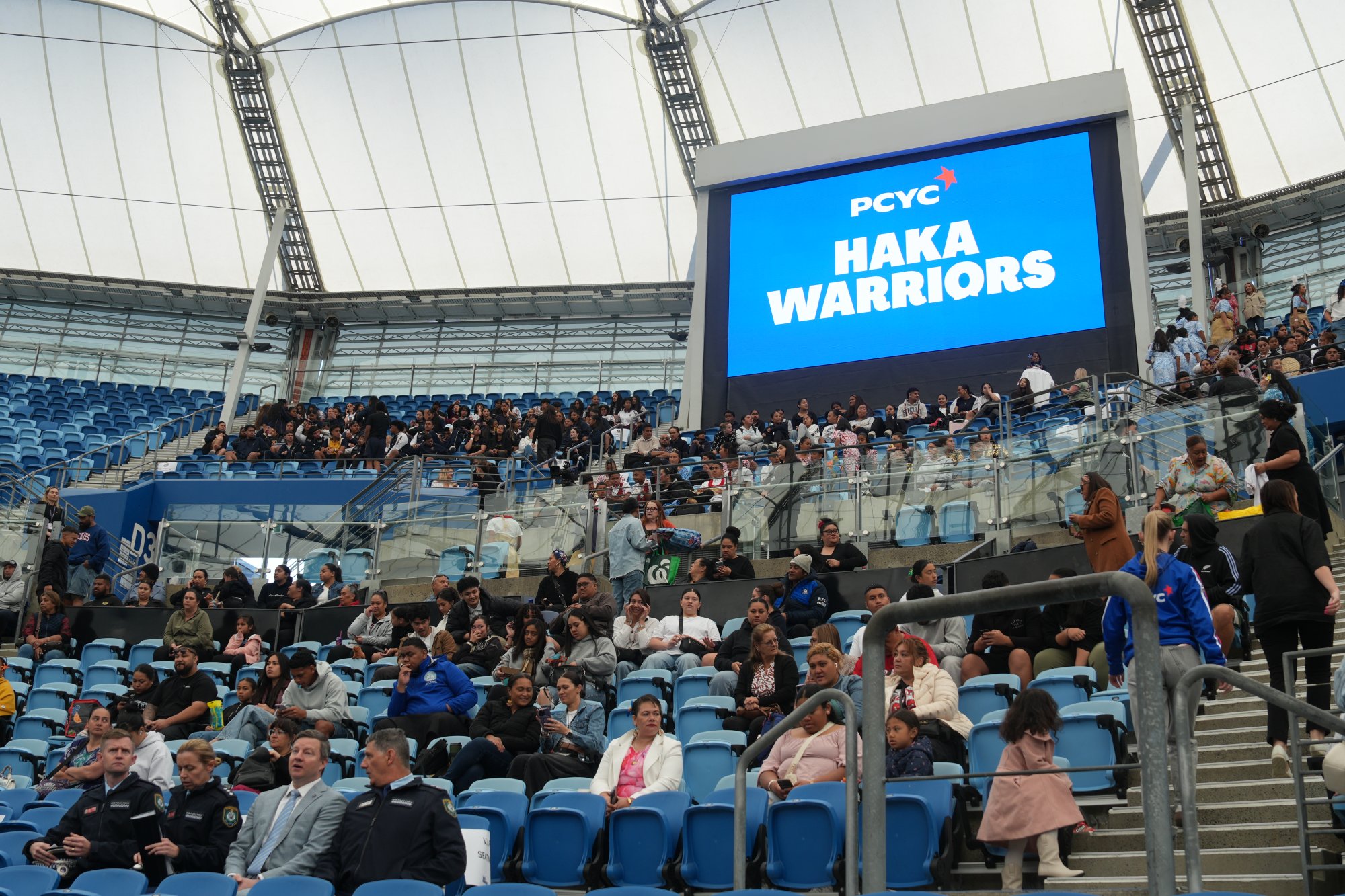
More than 450 Pacific Islander youth from across Sydney and the Central Coast united at Sydney Olympic Park on Wednesday in a vibrant celebration of cultural pride and performance for PCYC NSW's Haka Warriors program finale showcase.
Now in its seventh year, the PCYC NSW Haka Warriors Program is a cultural initiative designed to foster cultural understanding, community, leadership and respect.
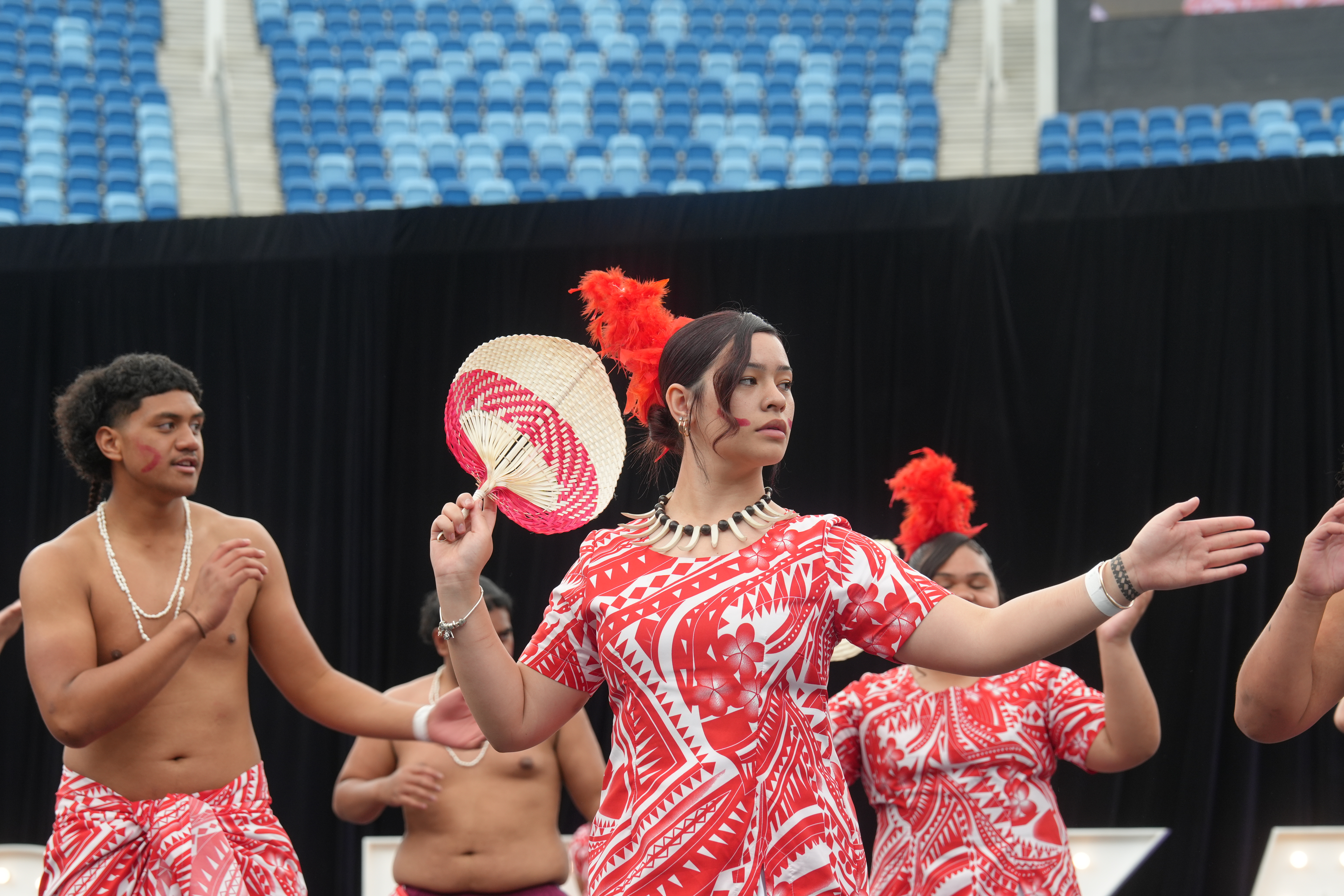
Throughout 20 weeks of workshops, activities, and community events, participants learned about traditional culture and history from Māori, Samoan, Tongan, and the Cook Islands Elders and experts. This included learning dance choreography and songs, as well as preparing traditional dishes.
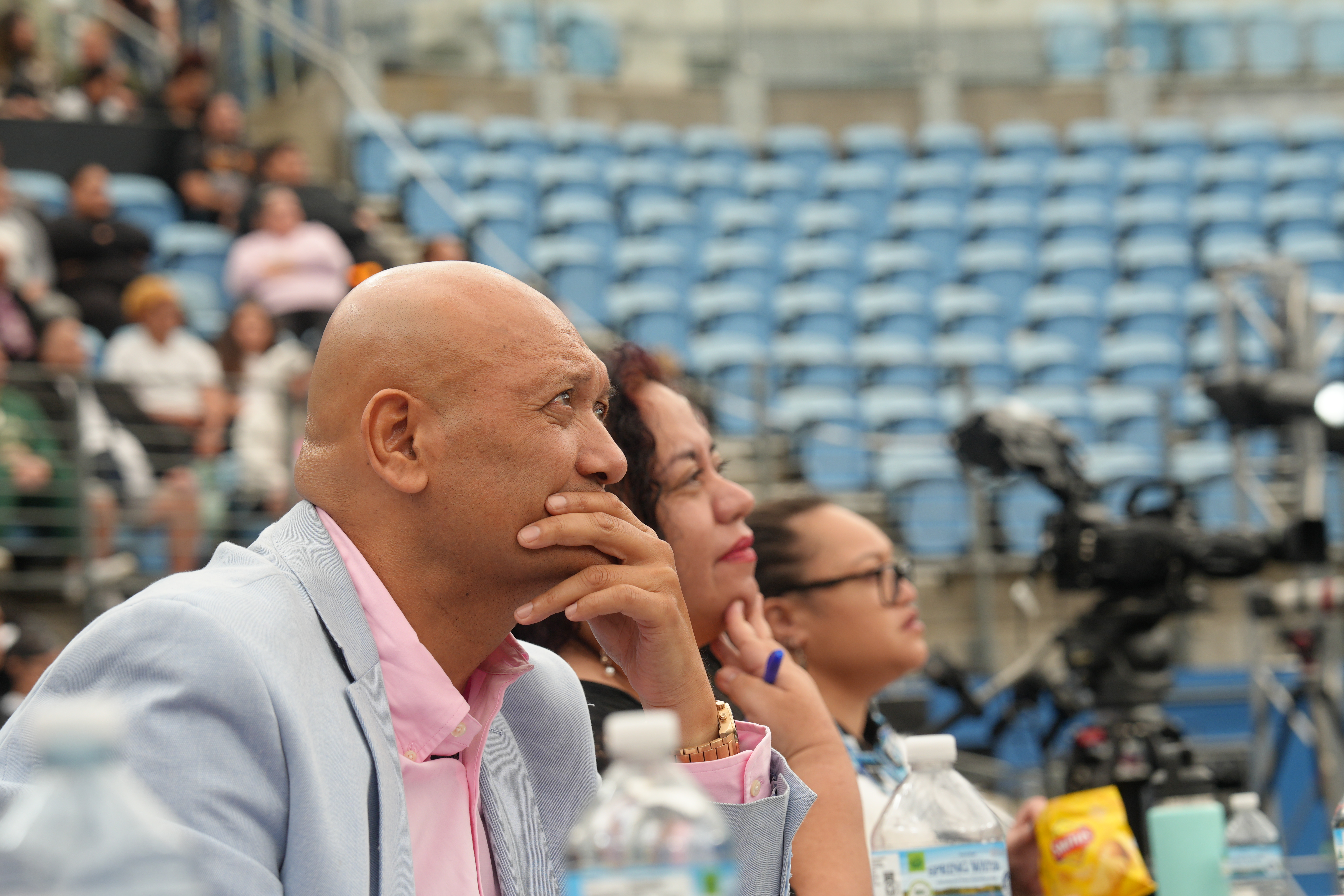
The finale showcase, held at Ken Rosewall Arena, marked a powerful resolution to weeks of effort. Pacific Islander students performed traditional dances such as the Haka before a panel of judges, who assessed performances across 3 categories: Haka Winner, Best Overall Winner and Leadership Awards for each school.
"Through the Haka Warriors program, young people have gained a deeper understanding of their Pasifika heritage not just through performance, but through values. They've learned that the Haka is more than a dance, it's a powerful expression of identity, unity, and strength," Blue Light New Zealand General Manager and showcase judge, Joe Graham, said.
Reflecting on the success of the program, Mr Graham believes it's the connections made between youth mentors and students which truly bring it to life.
"You can be in your office and you can write these programs, thinking that they're going to go really well. It's not until you're with the kids and with all of their teachers around that you see how they're taking the program on," he said.
"Our team of youth mentors are what makes the difference…ensuring that [the children] know that, even though a lot of these kids are Australian, their heritage is back in the islands, back in New Zealand, back in Samoa, Tonga or the Cook Islands.
"So we hope that they take away a bit of pride from the children about stepping up and connecting with their culture."
Offstage, young performers shared what they believe is the importance of Haka.
"The Haka is like a way to express ourselves, our culture and others around us. It's to show our individuality," James Busby High School student Leilani said.
Lily, also from James Busby, elaborated.
"The Haka is a traditional Maori war dance. Back in the day, the Haka was used to scare off enemies, but I think nowadays, as modern times have changed, Haka is used to express emotions, to show thanks and to show gratitude towards other people. It can also show different feelings of grief," she said.
"It can mean many things to different people. It just really depends on who's performing the haka and who it's dedicated to."
For one Erskine Park High School student, the Haka "means a lot to [him]".
"It's like a cultural identity, because we are all connected by the ocean. I'm very blessed to have this opportunity to perform and express my culture with all these other schools," he said.
"I was kind of nervous before, but on the stage, I really felt the connection, I felt the mana. Mana means power, and so I feel very blessed to represent my culture and be here today."
Before the performances began, PCYC NSW CEO, Ben Hobby, highlighted the deeper significance behind the event.
"Today is about more than just performances. What you're going to witness from these wonderful young people is a culmination of a cultural journey," Mr Hobby said in his opening address.
"It is about celebration. It's about identity. It's about the learning and the journey that they have had together in the weeks and the months and the build-up to these wonderful performances that you will see today.
"Cultural identity is a journey of discovery, and I hope that the young people here will have discovered something about themselves in the journey that led [them] here."
Echoing these words, Joe Graham added: "You can see the shift, participants become more engaged at school, more respectful in their relationships, and more intentional about their futures – it's not just a program, it's a legacy in the making."