






Having spent her career advocating for change, Juno Gemes is a name synonymous with Australian photography, journalism and social justice.
Gemes' photographs are renowned for making visible the history of First Nations peoples' struggle for justice in Australia over the last fifty years.
This year, the talented author has released a new book titled Until Justice Comes: Fifty Years of the Movement for Indigenous Rights.
While Gemes has published and contributed to more than 400 titles worldwide, her newly released book marks the first time over 200 of her photographs have been brought together in one major publication.
Long time friend Linda Burney said the new book is more than just a collection of Juno's work but a chronicle of fifty years of activism and dedication.
"I have been Juno's friend for many years, through some of the very worst and very best moments of our lives," she said.
"Until Justice Comes is more than just a collection of Juno's work. It is a chronicle of fifty years of activism and dedication. Juno has documented the unacceptable life outcomes and pain of Indigenous people, but also our strength and the resilience of our culture.
"Juno captures these moments so well because she understands the truth of Australia's history, and because she has lived it."
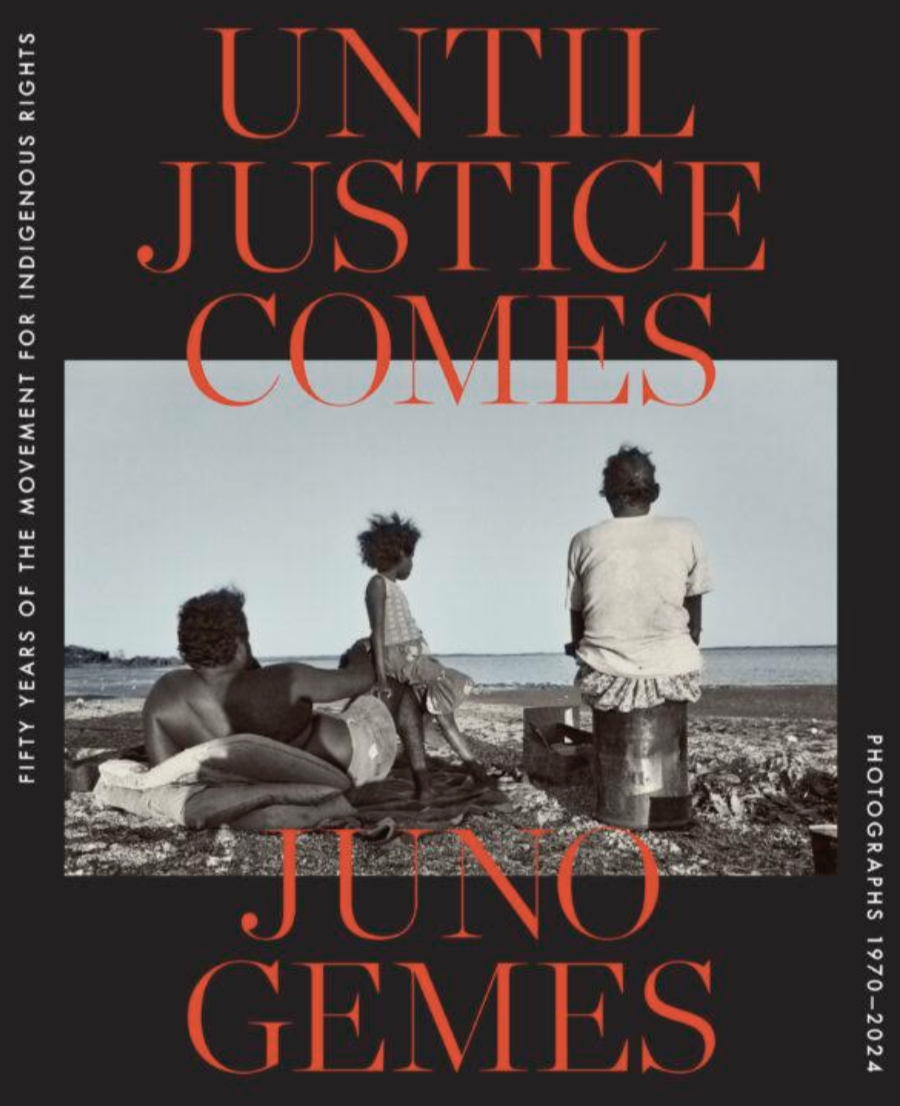
The book's collection of images provides an intimate view of historical events of national significance and firsthand experiences with people in the community, from an insider's point of view.
From The Redfern Revolution to the land rights campaign, the National Apology to Stolen Generations and preparations for the 2023 Referendum on the Voice to Parliament – photographs included vary from rich portraits of political and cultural leaders and intimate community events to activism played out on the streets.
Gemes uncovers the often-invisible history of resistance and the fight for self-determination that has long been at the heart of the First Nations people she has known and worked with over generations.
"In a country so poor at keeping touch with its social history Juno Gemes is a national treasure," Australian poet, novelist, playwright and librettist David Malouf said.
"Here she brings close connection to Indigenous life and consciousness and the keen eye of a master photographer to five decades of Indigenous activity in politics, the arts and the intimacies of daily being. An indispensable record."
A landmark publication based on collaboration, Until Justice Comes also features writings and poems by contributors including Linda Burney MP, Larissa Behrendt, Djon Mundine, Fred Myers, Frances Peters-Little, John Maynard, Catherine de Lorenzo and Ali Cobby Eckermann.
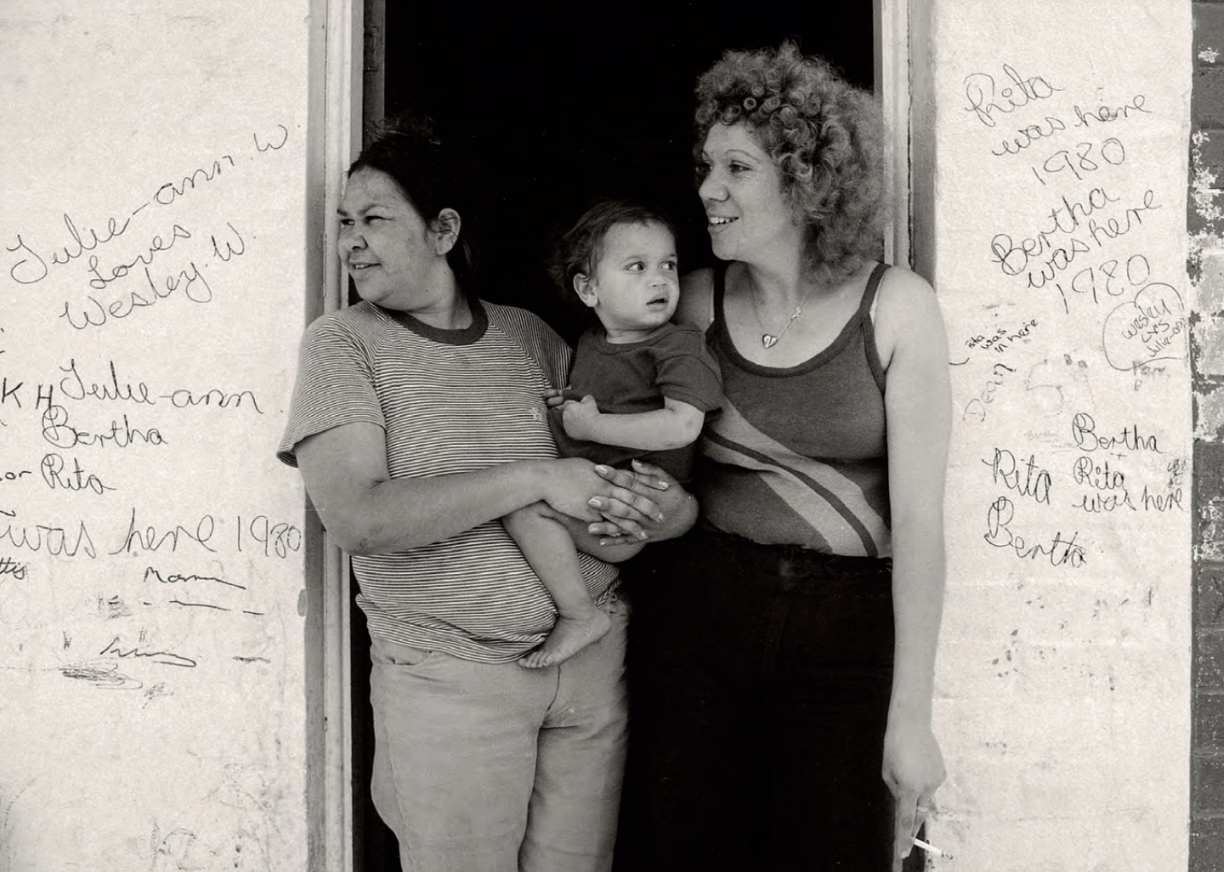
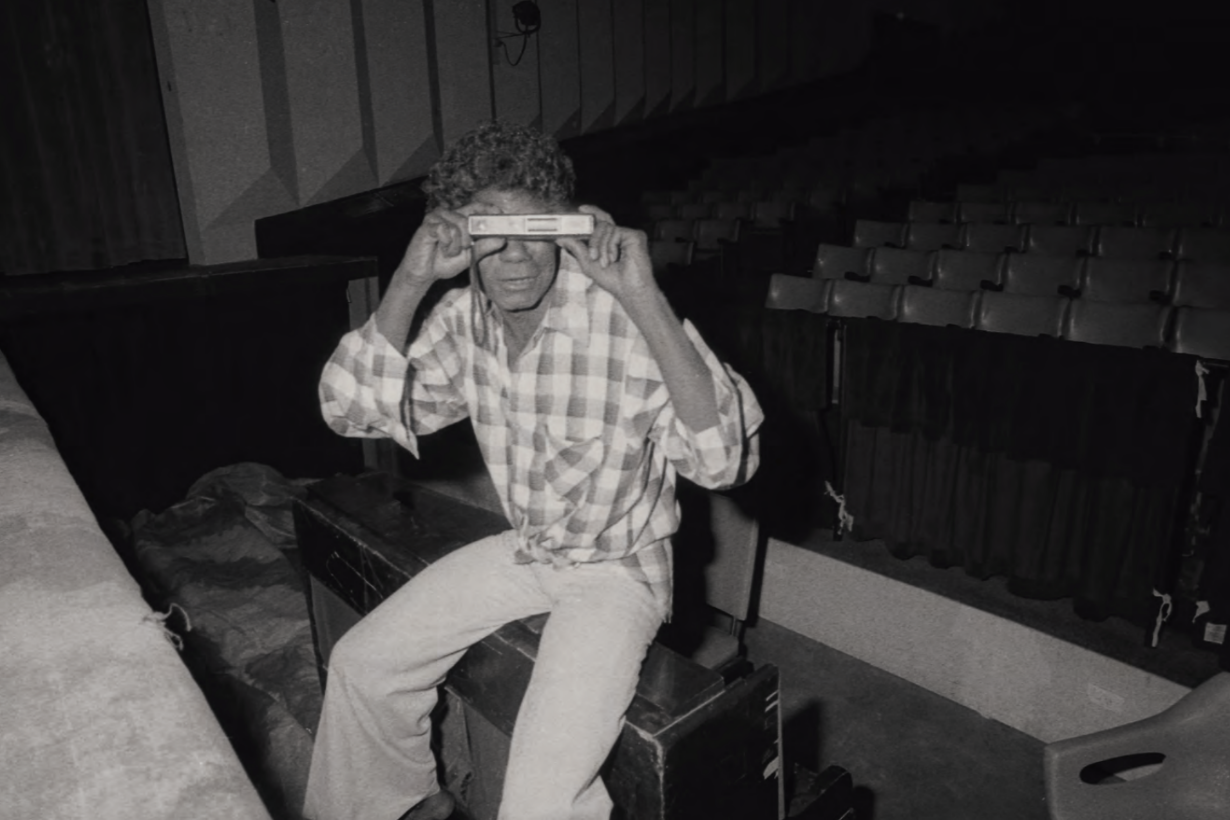
Speaking on the book's release and its lengthy creative process, Gemes said everywhere she was invited, she has striven to broaden her knowledge and collaborate with the aim of producing engaging images from an informed viewpoint.
"Until Justice Comes honours and celebrates the history of the Movement for Indigenous Rights over the last 50 years. The publication honours all who participated in this new Australian history in the cities, in communities and in historic events and around the country," she said.
"Everywhere I was invited I learned and collaborated with people to make images from an informed viewpoint. At this time Aboriginal people keep pointing out to me that there were few positive images which communicated cultural or political realities.
"For the first time photographs from my 50 years archive, edited from around the country are published together in Until Justice Comes.
"Along with 19 texts by distinguished Indigenous and Non-Indigenous Writers we present a new Contemporary Australian History - so it can be known and remembered , and so it's Heroes and Heroines honoured and take their place in Contemporary Australian History."
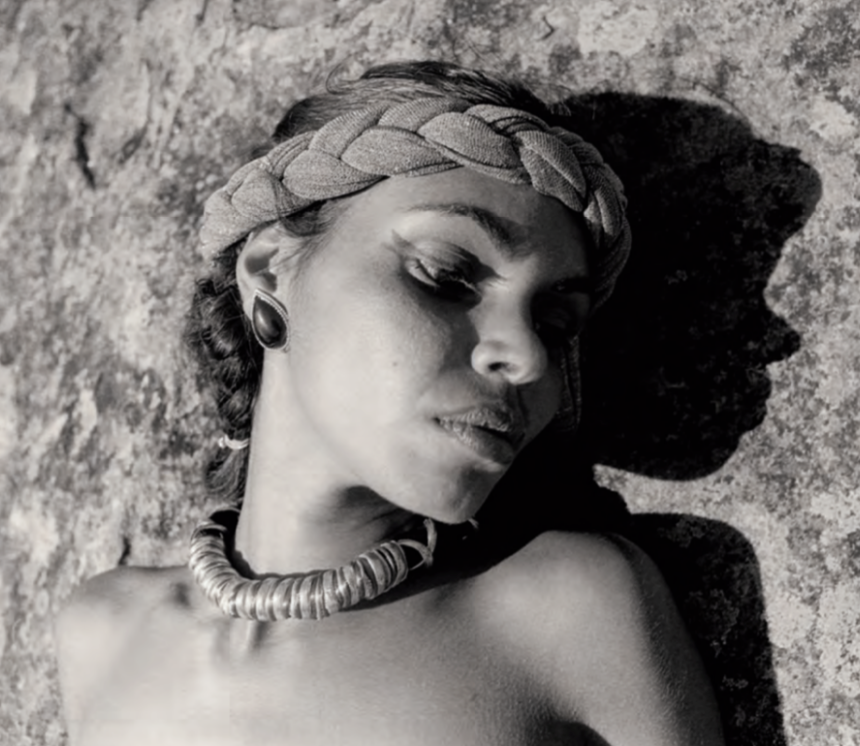
Gemes says while gathering the images and deciding which photos would be included was no easy task, those featured are powerful in their symbolism and significance.
"The creative process involved a tough four-year edit from my archive of 50 years of work," she said.
"I was assisted by a brilliant editorial team [of the] Hon Linda Burney as a friend and comrade in the struggle over 40 years who advised me, artist and curator Kyra Kum Sing who came up to my studio regularly over the editing process also to advise me, working with me on the hard editing process along with Rhonda Davis Senior Curator at Macquarie University Art Gallery and Nicholas Tsoutos, also a distinguished curator with a long history of political engagement.
"Actually all Aboriginal friends who visited me from all over the country during the process were shown the edit and gave me advice, including Kim Walker, CEO of NAISDA and Carole Y Johnson, Founder of NAISDA and Bangarra, who wrote an essay for the publication."
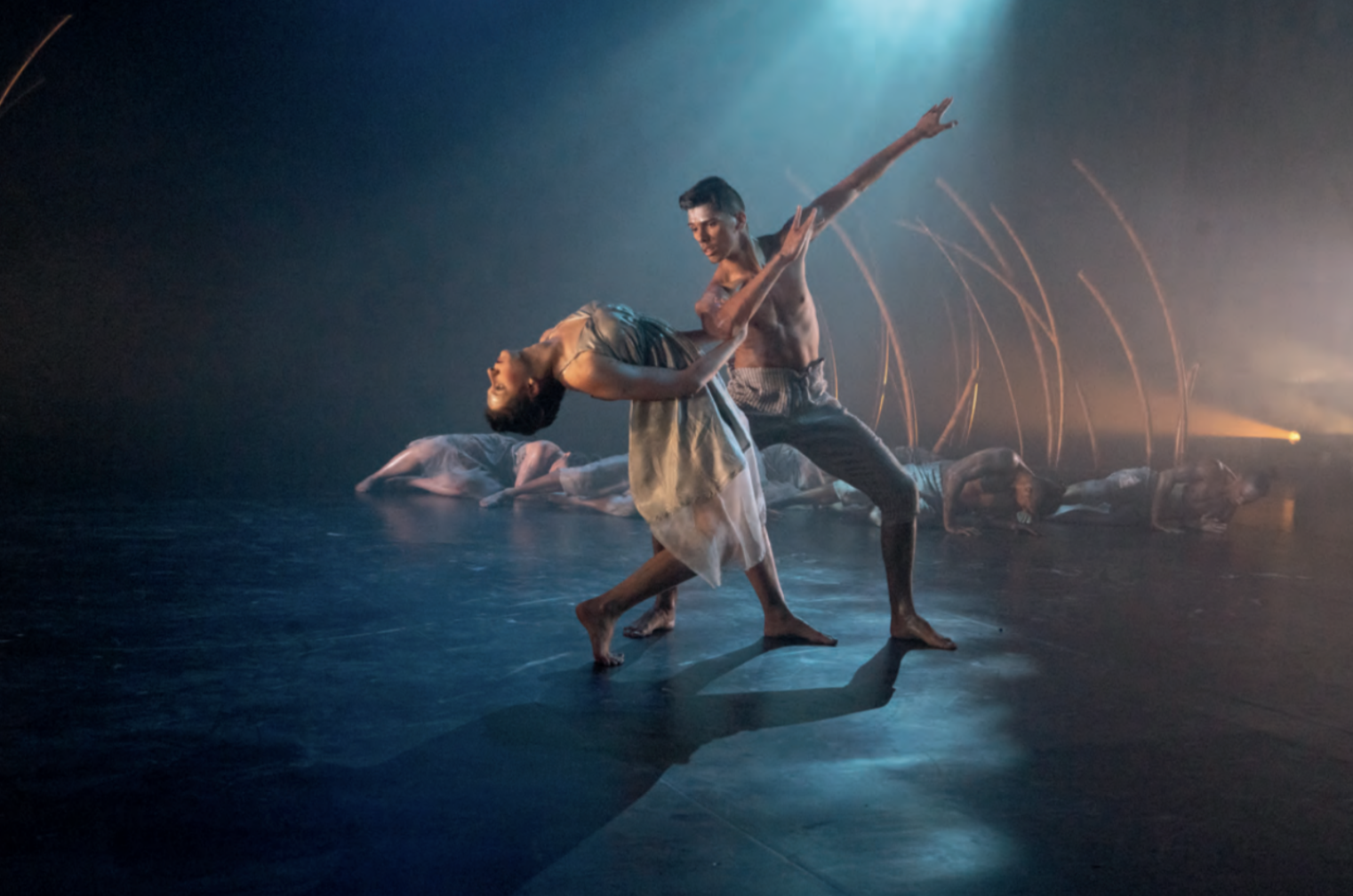
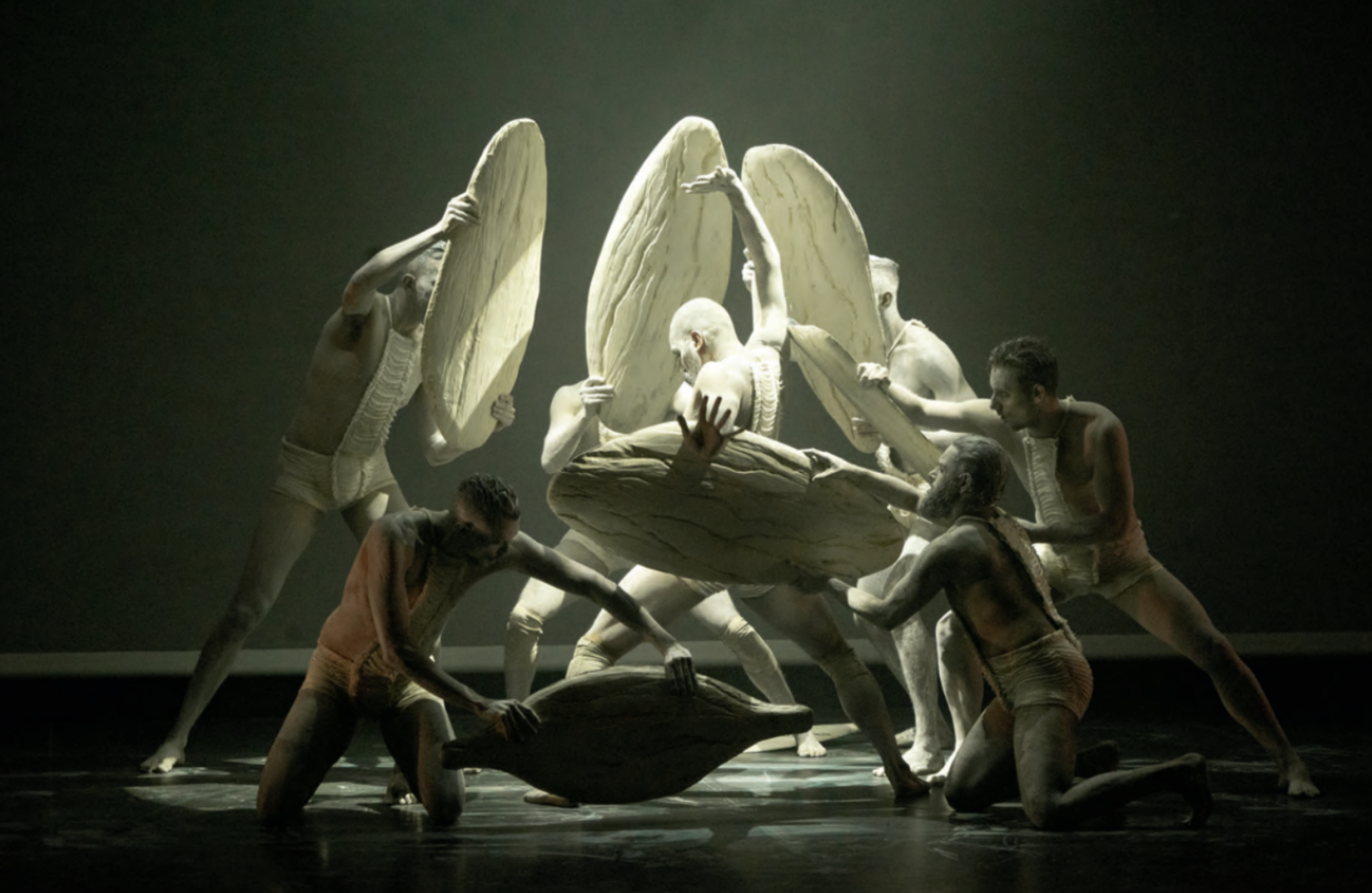
Despite some of the book's images having already been published across various publications, Gemes said it is the first time the images have all been published together.
"Some of these photographs have been published in many publications, including the National Indigenous Times, Koorie Mail and right back to the very first Aboriginal newspaper, AIM, as well as in The Monthly, Aboriginal Studies Journal, Heat and many other publications," she said.
"Along with some previously unpublished photographs, they are all published together in Until Justice Comes for the first time.
"Many of these photographs have been returned to the communities in which they were created - and I wanted to share and return this visual history to all who had participated in it to share with the next generations and with the Nation."
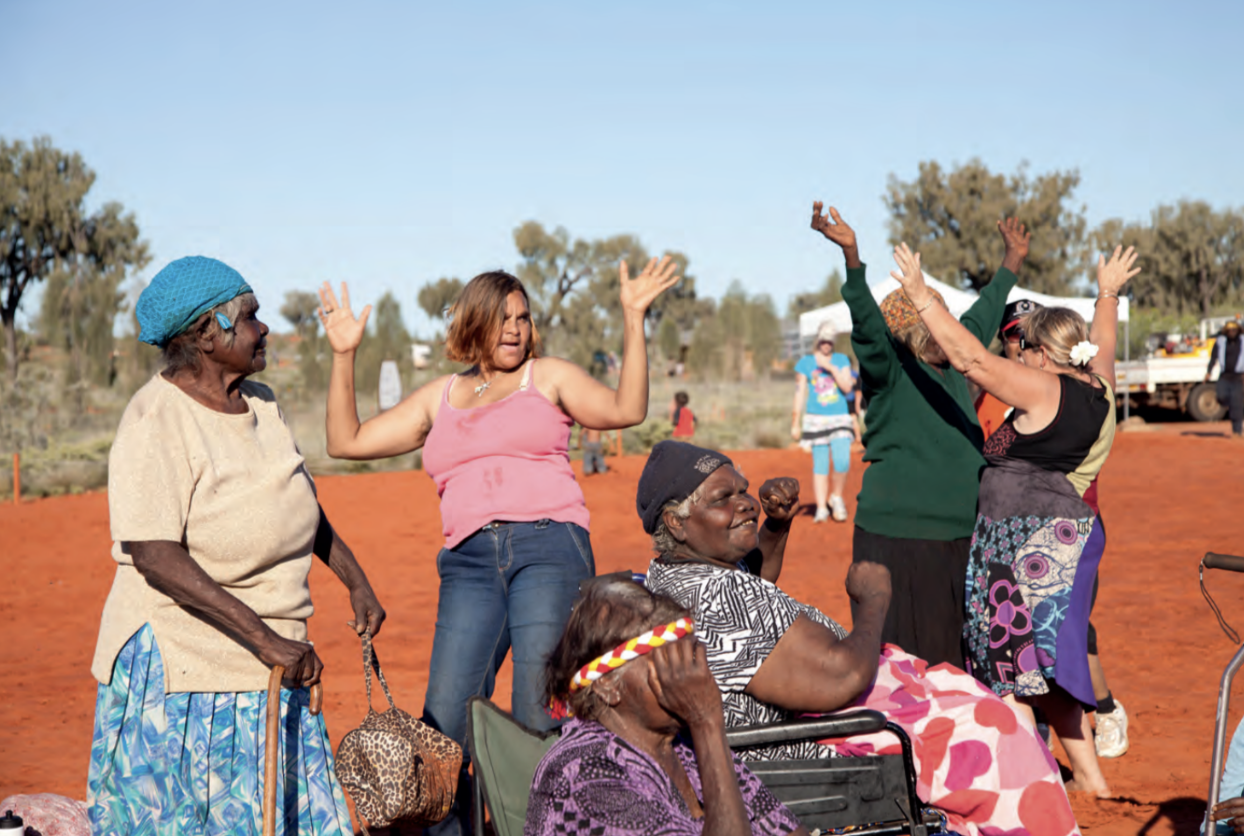
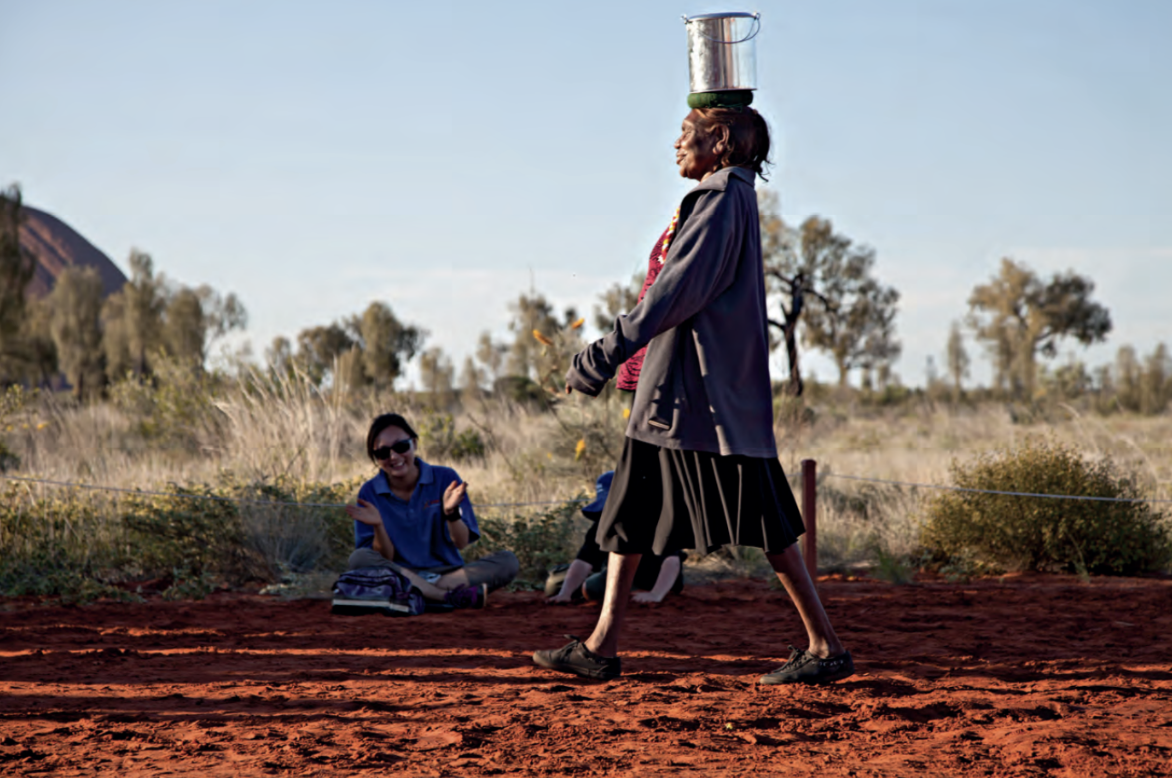
Gemes hopes that with this new book, Aboriginal people can enjoy a visual and textual record of the last 50 years.
"I hope that Until Justice Comes gives Aboriginal People a visual and textual record of the last 50 years," she said.
"Remembering the courage, strength and ingenuity of the generations of Aboriginal Activists who have changed the consciousness of this country and created the self managed organisations...," she said.
"And the artists for whom art and activism remain one and the same same thing towards creating Justice for Aboriginal People in their country and for all Australians, because this is a shared history that we have all lived through together."
For more fashion, arts, culture and lifestyle news subscribe for free to the Style Up newsletter.