






Wiradjuri man Jake Gablonski is set to release Brave Like Bunji, a children's book exploring identity, belonging and self-understanding, on June 2 - ahead of National Reconciliation Week.
The book, published by Allen & Unwin, draws directly from his experience growing up navigating spaces where different parts of his identity were not always equally accepted.
Raised in Katherine in the Northern Territory, Gablonski says those early experiences shaped how he learned to navigate identity from a young age.
"As a kid, you start to notice what feels safe and what doesn't. Sometimes one part of you might be welcome in a space, but another isn't," he said.
As a gay First Nations man, that awareness followed him into adulthood, where he found himself adjusting how much of himself he brought into different environments, from school through to later roles in on the ground community work and community radio.
"I showed up as two different people depending on where I was," he said.
"Over time, you realise that comes at a cost."
At age 10, Gablonski experienced a serious head injury that left him hospitalised, an event that would later shape how he understood connection, identity and wellbeing.
"It wasn't the accident itself that stayed with me... It was everything that came after," he said.
In the years that followed, including navigating PTSD during his teens, he became more aware of the environments and relationships that allowed him to feel safe, supported and grounded, a shift that would later inform his writing.
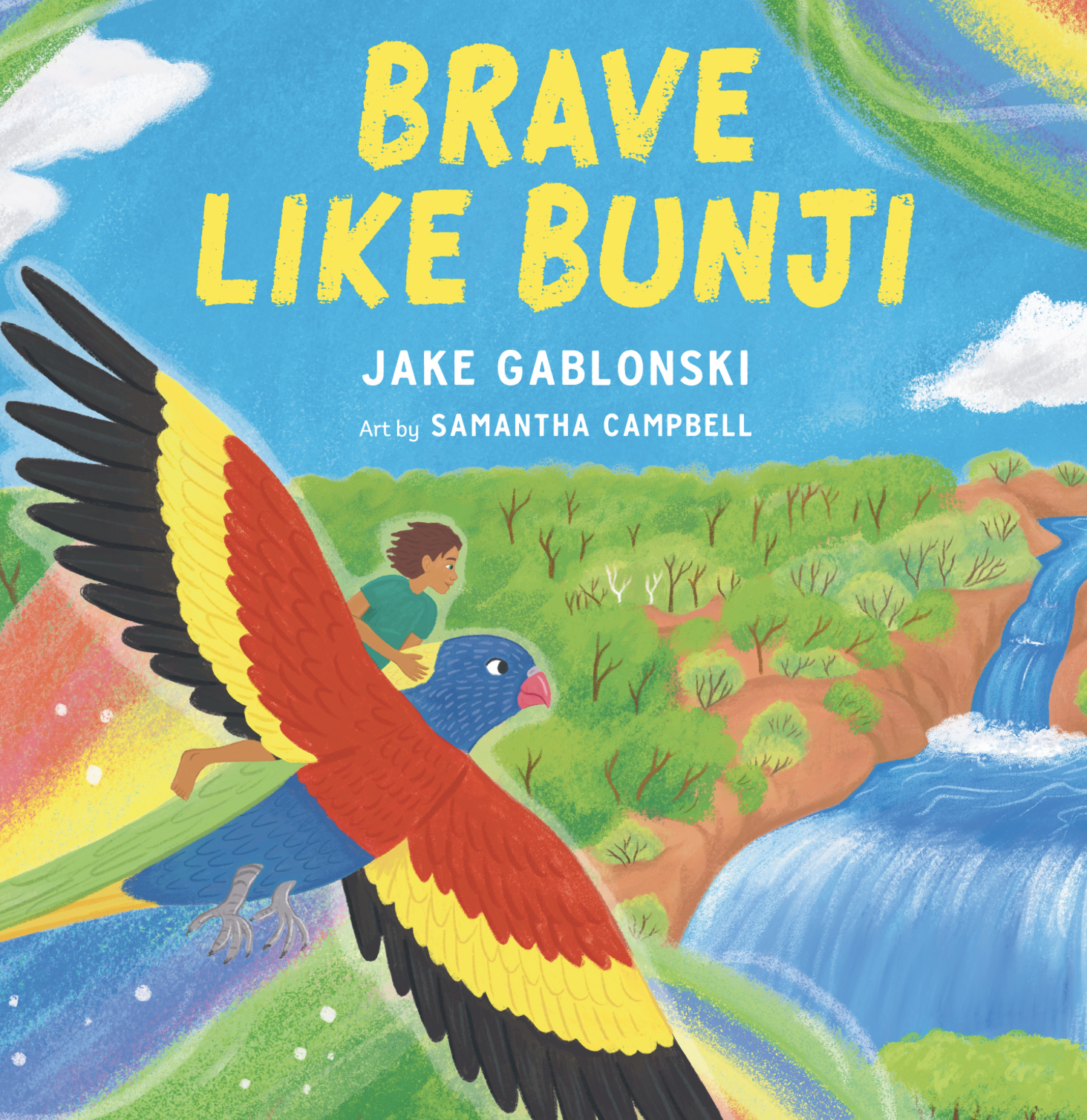
Originally written as a personal reflection, Brave Like Bunji began as the story Gablonski wished he had growing up, one that speaks to children who may not yet have the words for what they are feeling.
"I wanted to write something gentle," he said.
"Something that reassures young people they don't have to do it alone, and they don't have to rush figuring things out."
The book follows Bunji, a young boy navigating uncertainty, grounded by the people and environment around him.
Drawing on the landscapes of Katherine and incorporating language used with community approval, the story reflects both personal experience and a broader sense of shared understanding.
"What became clear quite quickly was that the story wasn't just mine," he said.
"People saw themselves in it in different ways."

Brave Like Bunji arrives as conversations around identity, representation and belonging continue to evolve across schools, families and communities.
Gablonski hopes the book can help young people feel seen earlier, and more confidently, in their own experiences.
"Seeing yourself reflected can make a real difference," he said.
"It can reduce self-doubt before it has a chance to take hold."
Brave Like Bunj will be released on the 2nd of June 2026.
For more fashion, arts, culture and lifestyle news subscribe for free to the Style Up newsletter.