





With an intertwined love for music and his Māori culture, musician Rob Ruha joins the annual Rainforest World Music Festival (RWMF) deep in Sarawak's 140 million-year-old rainforest.
Reigning from a long line of songwriters and performers on the east coast of New Zealand's North Island, Ruha's self-declared love of kapa haka, the national performance art of Aotearoa, is ingrained in his artistry.
"Kapa haka songs are the highest poetic expression of human emotion and intelligence, and are often looked to for spiritual and inspirational guidance and wisdom in our culture," he said.
Raised with a natural connection to Māori traditions and ancient practices, it's only fitting that he will be joining the RWMF in Borneo, showcasing the traditional music, dance, workshops and customs of Indigenous artists from around the globe. Ruha will share the stage with some of New Zealand's most well-respected musicians and backing vocalists in an exclusive performance featuring elements of kapa haka on the final night. His RWMF performance is one of the cultural events that the New Zealand Government has helped facilitate to celebrate the 50th anniversary of the Dialogue Partnership between ASEAN (Association of Southeast Asian Nations) and Aotearoa / New Zealand.
"My heritage plays a fundamental role, and not only do I write predominantly in my first and Te Reo Māori language, but the themes and messages I champion in my waiata (songs) are of my people, to my people and for the world," he said.
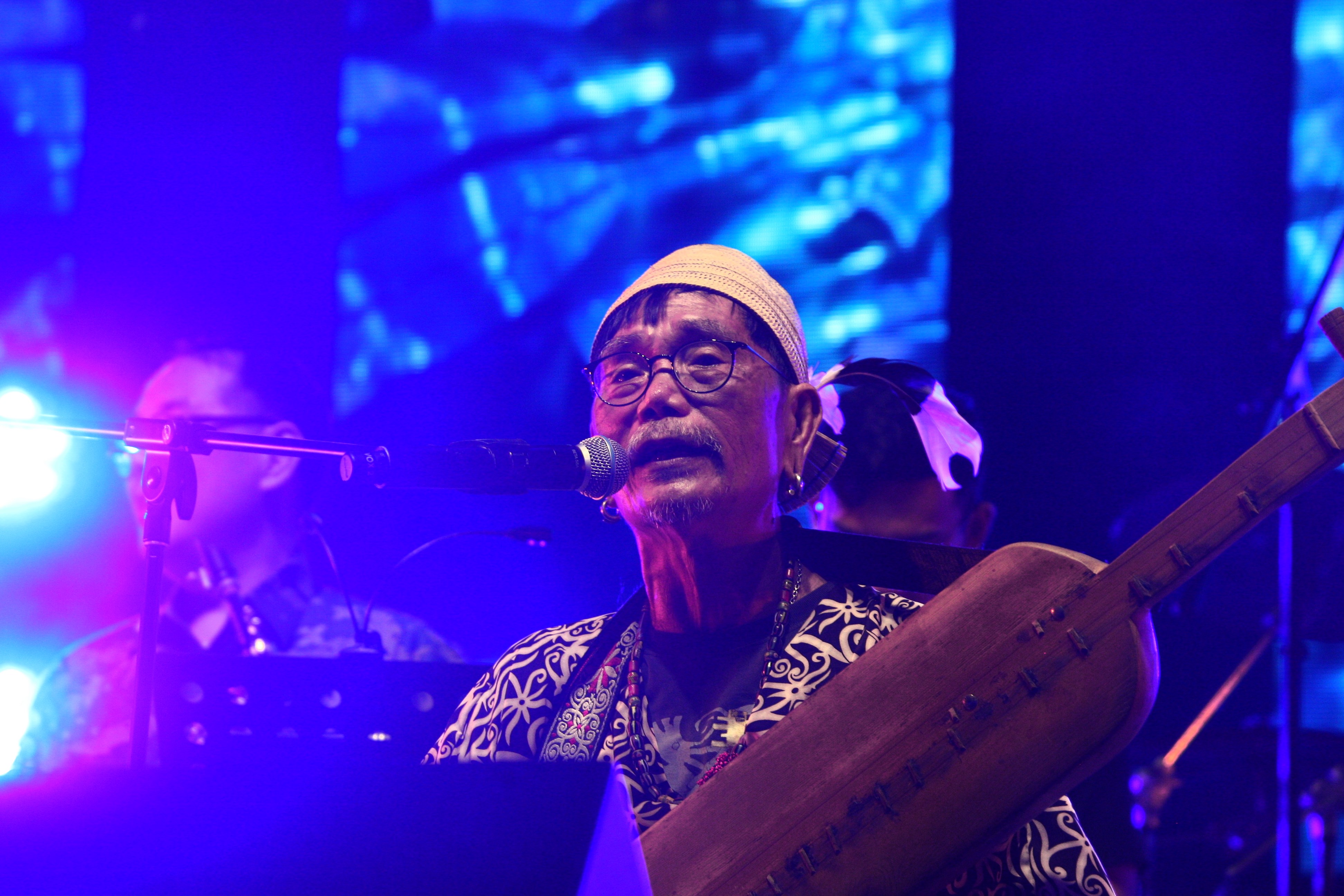
Celebrating its 28th anniversary, the three-day RWMF explodes onto the stage with the theme Connections: One Earth, One Love from 20th to 22nd June at the Sarawak Cultural Village.
Ruha joins an impressive line-up of local acts, such as At Adau and the legendary Sapè master Mathew Ngau Jau, alongside international performers including Otyken (Siberia), La Chiva Gantiva (Brussels) and Kulàiwi (Hawaii). The headline act, Earth, Wind & Fire, requires no introduction for their 70s disco, funk and soul hits, and Rob follows with his R&B, soul, roots and reggae tunes infused with traditional Māori rhythms and melodies.
You can't miss him as the moko (markings) on his face and body are distinctive.
"Wearing moko is an ancient practice acknowledging attributes, mastery, contribution to community, leadership and lineage."
Before Ruha returns to writing and the studio, his music can be found on most of the digital streaming platforms.
About an hour from Kuching and set on the Damai Peninsula and hugging the South China Sea, the Sarawak Cultural Village is open year-round, with Mount Santubong's peaks serving as a dramatic backdrop. Although having travelled extensively through his music, this will be Ruha's first visit to Sarawak.
"I'm looking forward to soaking up the environment and being inspired by the other artists who will be showcasing their music,'' he said.
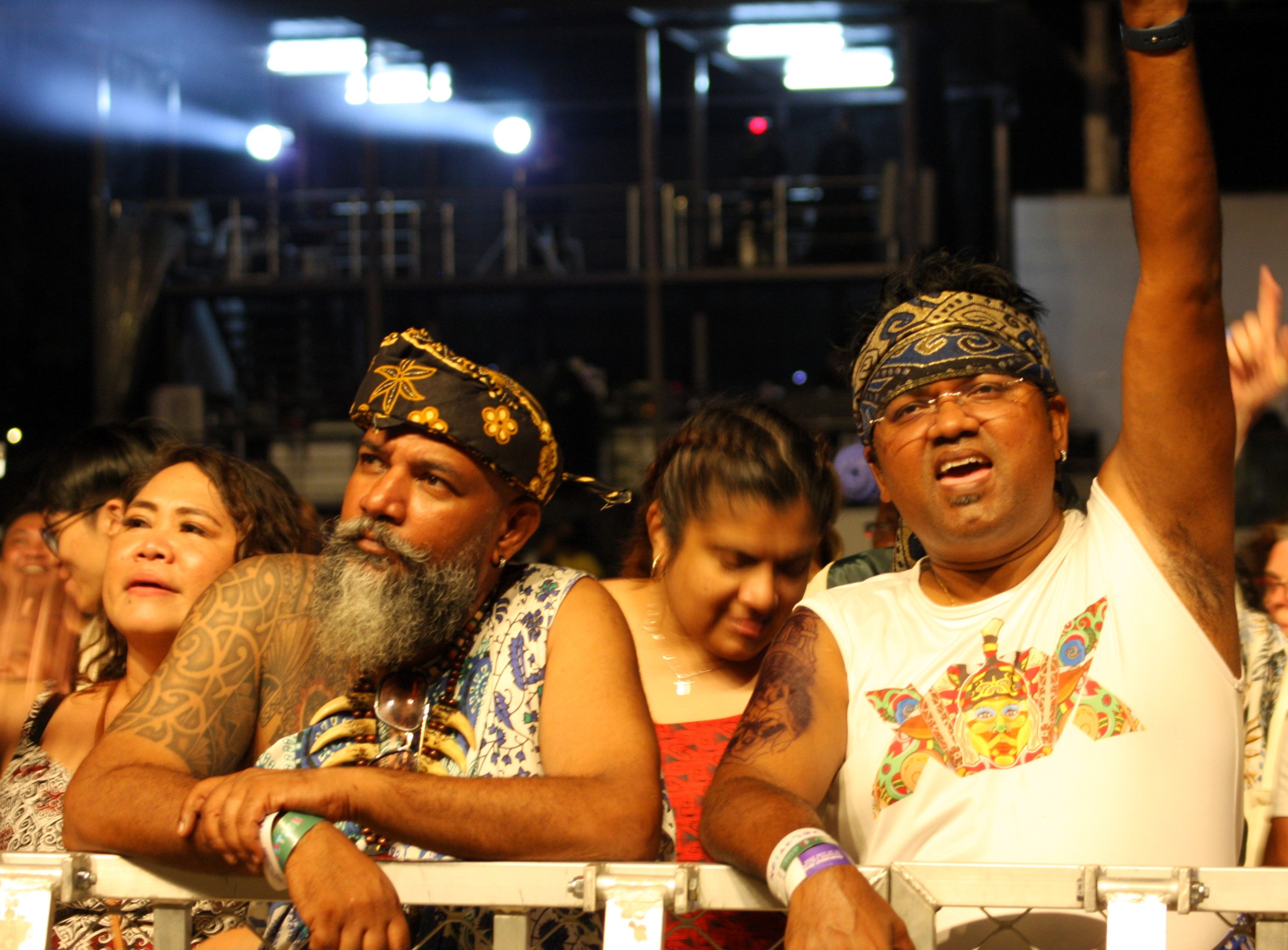
The RWMF's dedication to Sarawakian music is an ongoing commitment to its ethnic communities and the nearby Cove 55 hotel shares the festival's ethos. As a member of the Secret Retreats, which is a collection of unique properties and experiences, Cove 55 was built at the foot of Mount Santubong as a private retreat for a local Iban family and features Indigenous design motifs throughout its rooms, suites and overwater villas.
Malaysia Airlines is a proud sponsor of the RWMF and flies directly to Kuching, via Kuala Lumpur daily from Australia and Aotearoa/New Zealand.
Carmen Jenner was a guest of Cove 55, Damai Beach Resort, Malaysia Airlines and Sarawak Tourism.