






A new book from UWA Publishing is reframing Western Australia's story through the historical artefacts, artworks and natural specimens held in its museums, libraries and galleries.
Collecting the West: Revealing Western Australia through Its Collections explores how these holdings - shaped by Aboriginal and non-Aboriginal collectors alike - reflect the state's cultural memory and the complex legacies of colonisation.
Palawa woman and Professor of Cultural Heritage and Museum Studies at Deakin University, Gaye Sculthorpe, is one of the book's contributors.
She told National Indigenous Times the publication emerged from a larger research project examining what Western Australia's collections reveal about place and identity.
"The book is one output of a far greater research project ... to actually look at all the collections from Western Australia and what do they tell us about Western Australia as a place and its diversity and its history, she said.
"Often so many studies of collections are looked at in terms of separate, what are Western disciplines, like natural history or anthropology.
"But this whole project was trying to look at what the collections illuminate about a place, like Western Australia or a part of Western Australia."
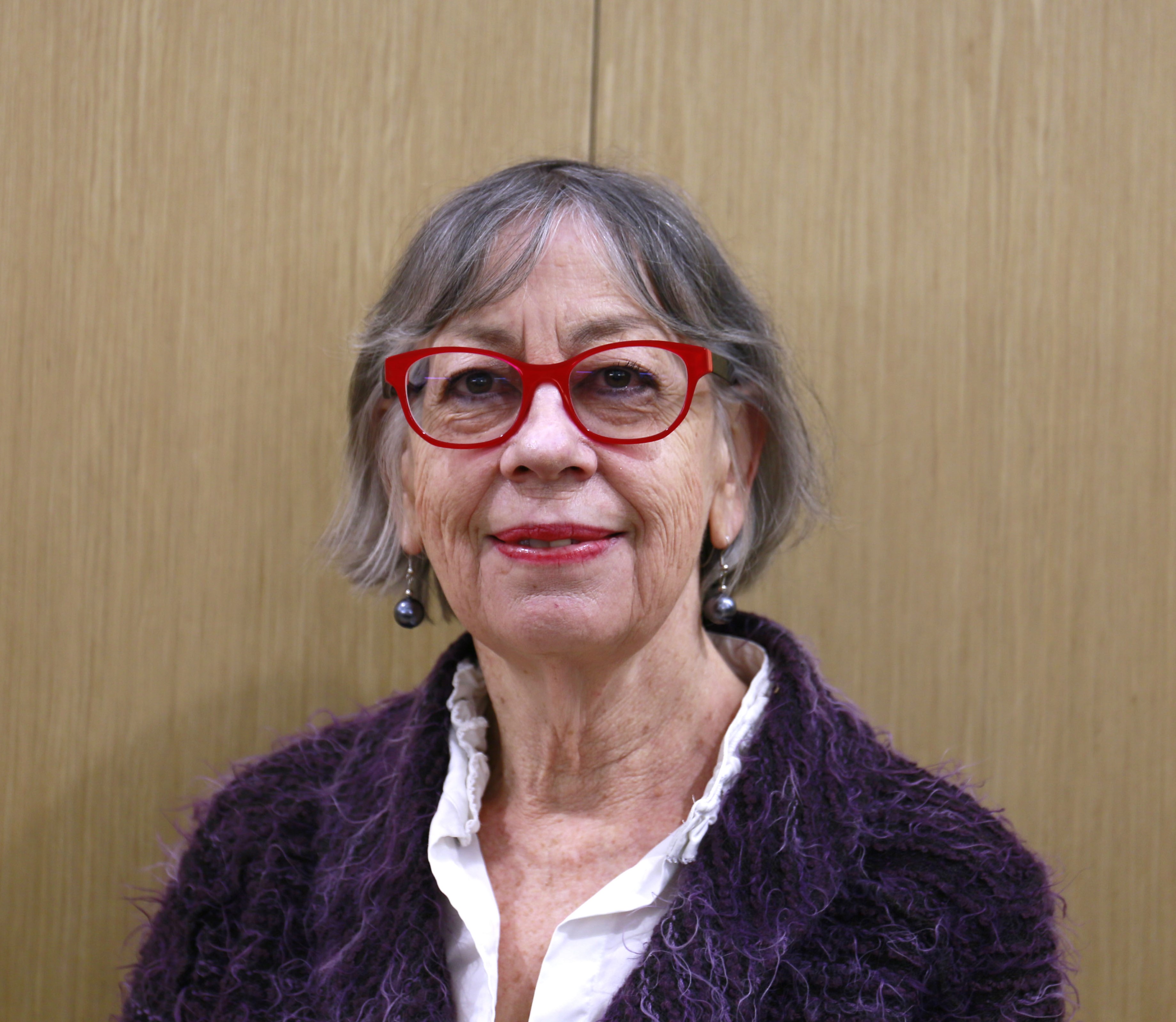
Ms Sculthorpe has worked in museums across Australia and the United Kingdom, including a decade as Curator of Oceania at the British Museum.
Her contribution to the project drew on that experience and focused on identifying Aboriginal cultural material held in overseas institutions.
"When this project began, I was at the British Museum, and I was a partner investigator on the project," she said.
"Initially my role was to help facilitate access to information about collections of Aboriginal objects in the United Kingdom and at the British Museum. And then later my role was to contribute to writing certain sections of the book."
She said her involvement is deeply personal, shaped by her family's experience in Tasmania.
"I'm personally driven by the fact that as a Palawa woman, so much of the cultural heritage of Tasmanian Aboriginal people was taken away in the 19th century," she said.
"I think the work I do is important in trying to bring to attention where Aboriginal collections are located in the world and trying to help document those so they can be made more accessible for the Aboriginal people who have cultural rights in those objects."
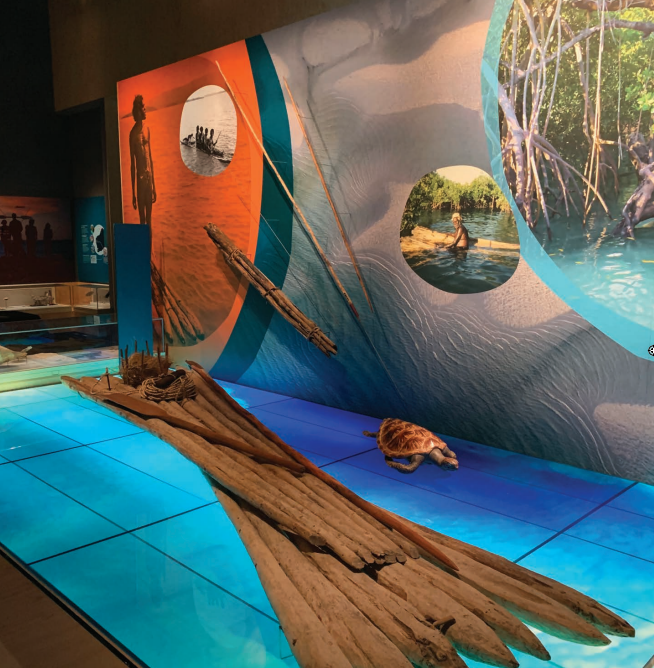
One story Ms Sculthorpe highlights from the book follows the journey of a Bardi Jawi double raft, or gaalwa, gifted to the United Kingdom during Western Australia's 150th anniversary celebrations in 1979.
Crafted by Bardi Jawi man Joobi Tommy Thomas, the gaalwa was presented as both a cultural gesture and an acknowledgment of enduring saltwater traditions along the Kimberley coast.
The raft symbolised generations of maritime knowledge, connection to Country and the relationships formed through the exchange of materials and skills used in its making.
Years later, the Exeter Maritime Museum that housed the raft closed, and its collection was auctioned.
Despite efforts to trace the vessel, it has not been recovered and is believed to have been acquired by a museum near Shanghai.
Ms Sculthorpe said the case illustrates how even recent Aboriginal cultural items can be displaced or lost. "One was gifted by the Western Australian government to a maritime museum in England ... but some years later when the museum folded, all the collections were put up for auction."
She said the story "highlights the complicated ways that objects travel around the world ... even in recent times, significant objects that could be gifted overseas as a goodwill gesture can still go missing or get lost."
She hopes readers will consider how collections have been built, what they omit and what museums should gather for the future.
"We hope people learn about Western Australian Aboriginal history and wider history," she said.
"We hope that it will make people think about what museums have collected historically and what's missing... so that in 100 years time the collections in museums do generally reflect a diversity of cultures and peoples at any one particular time."
Collecting the West is published by UWA Publishing and is available now.