




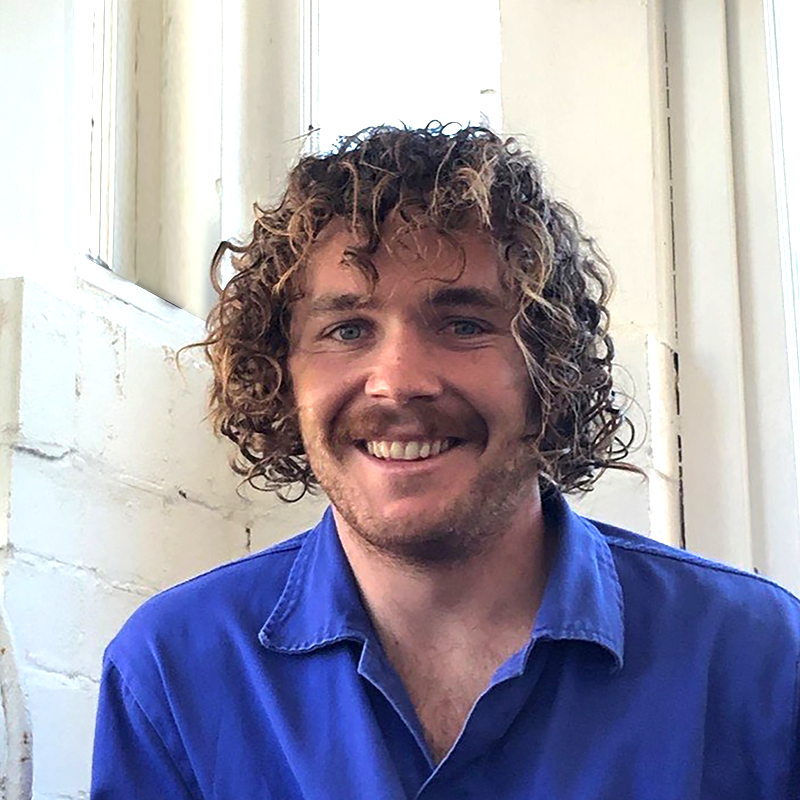

An icon of Melbourne's identity is sharing First Nations art, stories, culture, reflections and visions for the future while taking others, literally, along for the ride.
Six trams will move across the city's tracks as a moving canvas of works for the next 12 months, as First Peoples Melbourne Art Trams launches its 2026 edition.
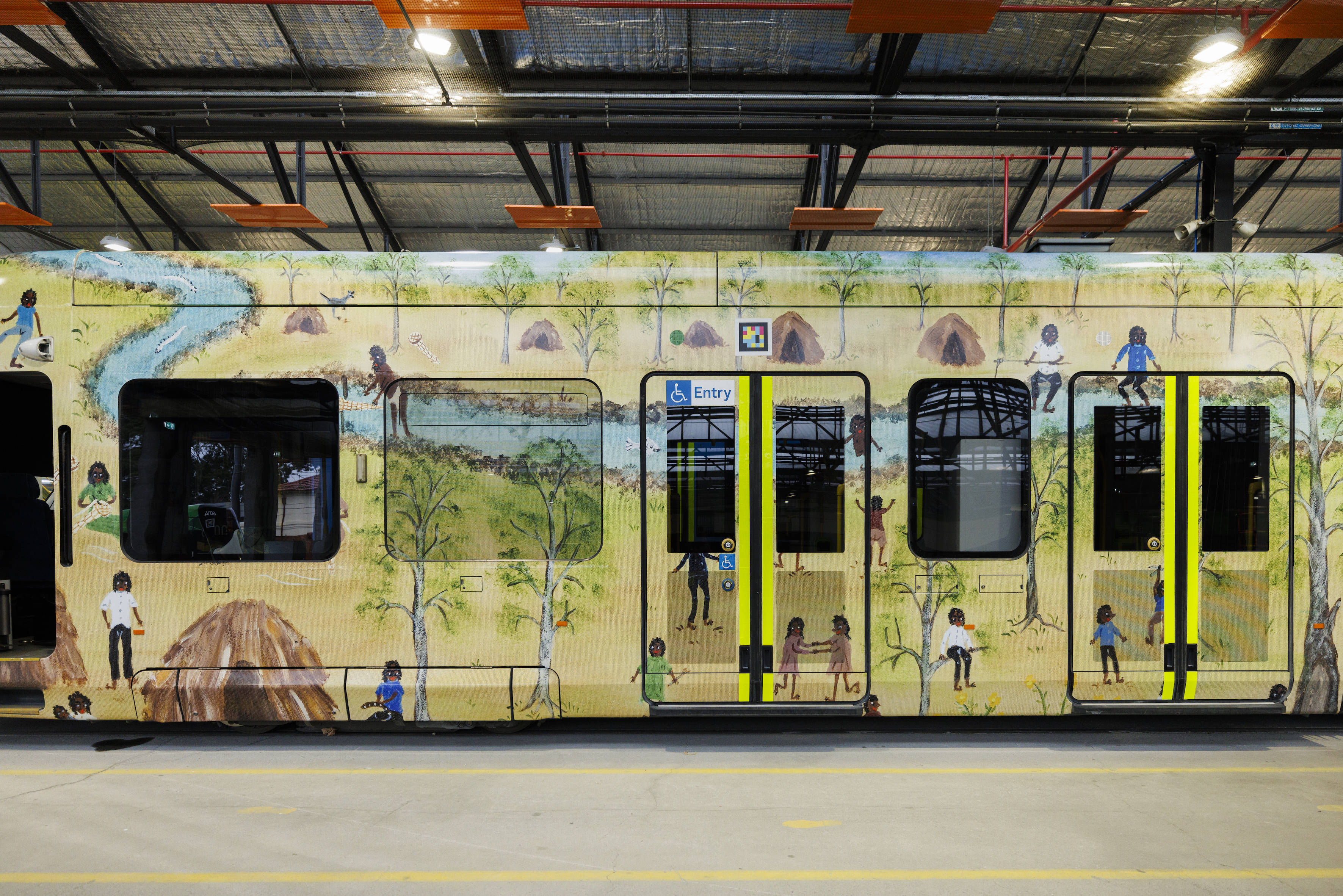
Wadawurrung Elder and senior artist Marlene Gilson's work 'Happy Families - time when we all lived together' exhibited at the 60th Venice Biennale in 2024.
It's now a little closer to home, stretched across the Legacy Tram of 2026.
"It's an honour to see it on the tram. Who would have thought that my artwork would be going all over Melbourne, putting our people out there," Aunty Marlene told National Indigenous Times on Tuesday.
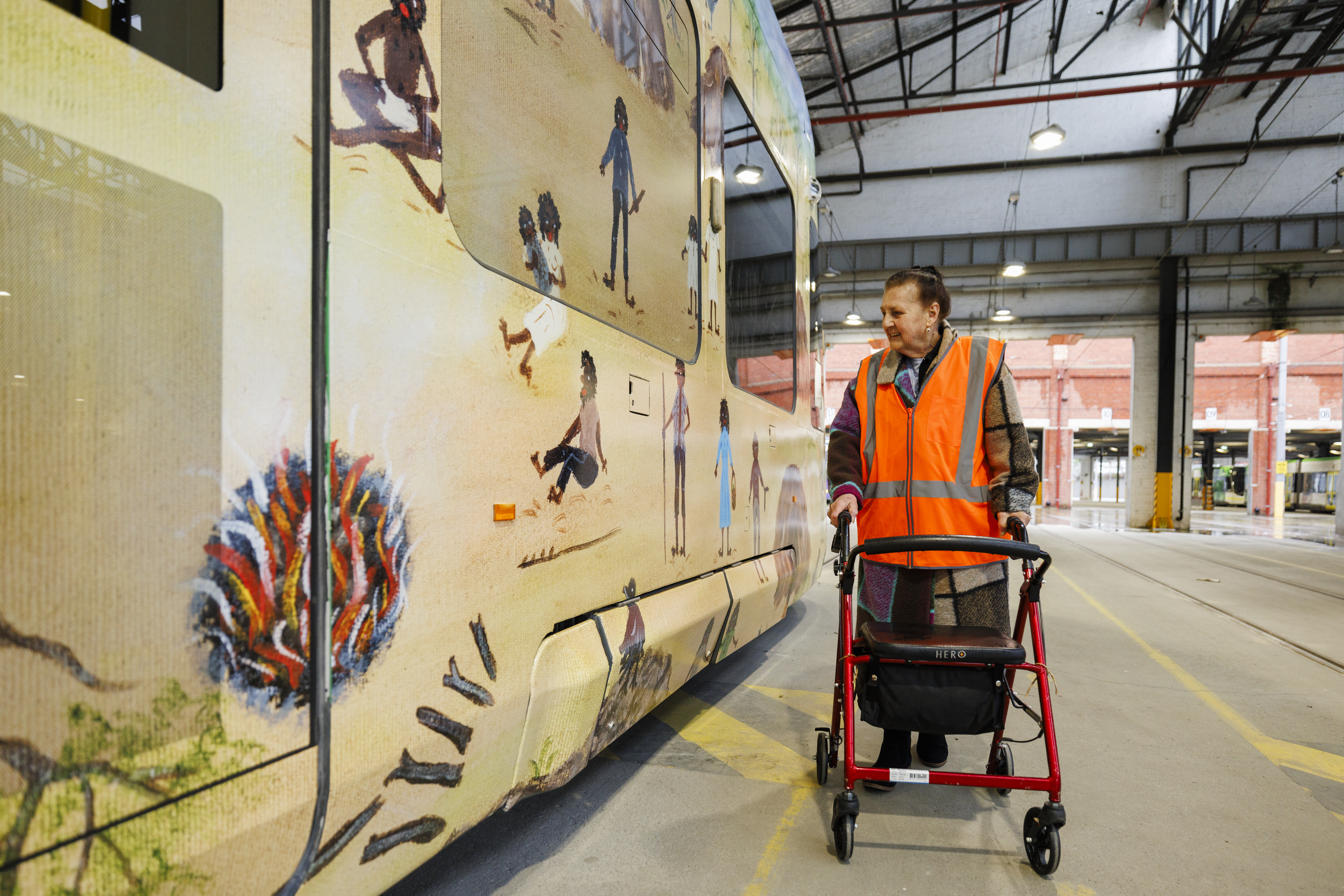
Aunty Marlene has presented solo exhibitions in Ballarat, Melbourne and Sydney, in 2018 was commissioned for the 21st Biennale of Sydney, and saw some of her work illuminate across the Sydney Opera House in 2021.
Her paintings and practice are celebrated expressions on connection to culture, Country and Indigenous perspectives and place within historical narratives.
The same year Aunty Marlene exhibited in Venice, she was awarded a Medal of the Order of Australia for her contributions to the visual arts.
Natasha Carter, Mitch Mahoney, Jenna Mayilema Lee, Zena Zada Cumpston and Sonja Hodge join Aunty Marlene as featured artists of First Peoples Melbourne Art Trams.
Each artist has connections to Victoria as the place they live or through the Country they hold connection with.
Their trams will each roll out across the next fortnight from depots across Melbourne.
"Today we unveil the first of six First Peoples Melbourne Art Trams for 2026, presenting senior Wadawurrung artist Aunty Marlene Gilson's Happy Families - time when we all lived together. Aunty Marlene has made significant contributions to community through her arts practise and her ability to reframe dominant historical narratives in her paintings," Taungurung woman Kate ten Buuren said.
Ms ten Buuren is the curator of the 2026 edition.
"Happy Families transports us through time and space, and lands us on the riverbank, where families are thriving; caring for one another, dancing, fishing and practicing culture together," she said.
"The five trams that will be launched next also reflect on time, memory and First Peoples relationships to Country and the beyond. Together they demonstrate the limitless possibilities of our imagination."
View this post on Instagram
Millions will witness the 'largest annual public arts project on the continent', "sparking and signaling First Peoples' presence in the city", whether it comes at the tram stop on the morning commute, from across the street and other moments in everyday life, Ms ten Buuren told National Indigenous Times.
As a new addition in 2026, the project includes Blak Art on the Move — an invitation extended to audiences to dive deeper.
It includes artist talks, workshops, tours on the tram and information on the works which is available to read between stops.
"(Trams) are such a part of our everyday lives, and to see our artworks on them, up front on a massive scale consistently over a whole year, it really says loudly and proudly 'We are here'," Ms ten Buuren said.
"It shares our stories with a really broad audience. Millions of people see them every year.
"I think the beautiful thing about the trams is that they do carry stories across place. So these are stories that reflect who people are. They reflect on their memories and visions for the future."
Tuesday's launch came as part of RISING, Melbourne's annual winter festival of art, performance and music.
Speaking there, RISING chief executive and artistic director, Hannah Fox, said First Peoples Melbourne Art Trams, alongside being "the most significant ongoing public art project in the country", is something completely unique.
"It takes art to the streets, to people where they are, and it weaves culture into that everyday function of getting from A-to-B," Ms Fox said.
Yarra Trams' Melinda Button added within their role of connecting the city, the project offers something extra.
"Through these artworks, we're reminded that connection runs deeper, reflecting the enduring relationship First Nations people have with Country over tens of thousands of years," Ms Button said.