





Powerhouse Lane: Koori Radio and Niu Music went down strongly at this year's Parramatta Lanes Festival with large crowds gathering to celebrate Indigenous and Pasifika talent through four nights of music, art and storytelling.
The event featured a diverse lineup of Blak and Pacific artists across both nights including Llaney Jade, Mia Lovelock, Cianna and Olivia, Mi-Kaisha, and Akala Newman, alongside IMUA Choir, Parramatta Leigh Fijian Choir, Noqu Vanua Choir, Rissa, and Pania.
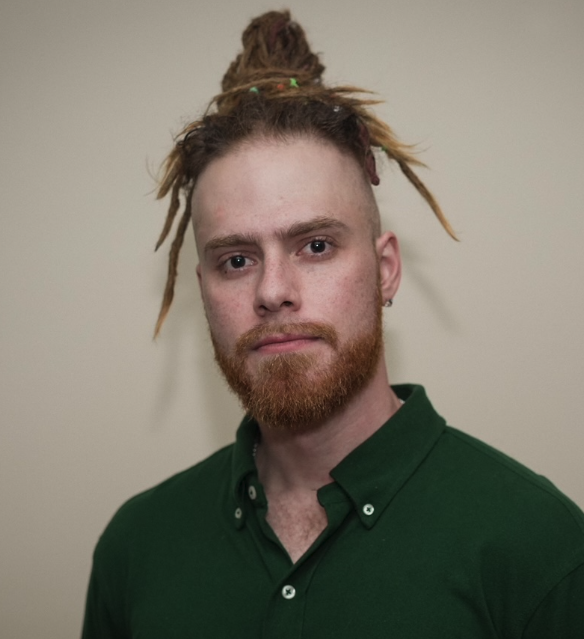
Fijian artist and show curator Thelma "MC Trey" Thomas said the event exceeded expectations, which highlighted the diversity of voices and styles across Western Sydney's creative community.
"For me, just seeing the different groups and individuals perform was a highlight," Thomas said.
"Mi-Kaisha I've seen before and it was good to see how she's developed, how she engages the crowd with her music. I hadn't seen Akala before, so it was great to see her on stage too."
Thomas said she felt privileged to curate and support the artists throughout the festival.
"I feel very privileged to be able to curate and be part of these projects," she said.
"Being a fan of these creatives and getting to watch them perform, and be paid for it, is a blessing I don't take lightly."
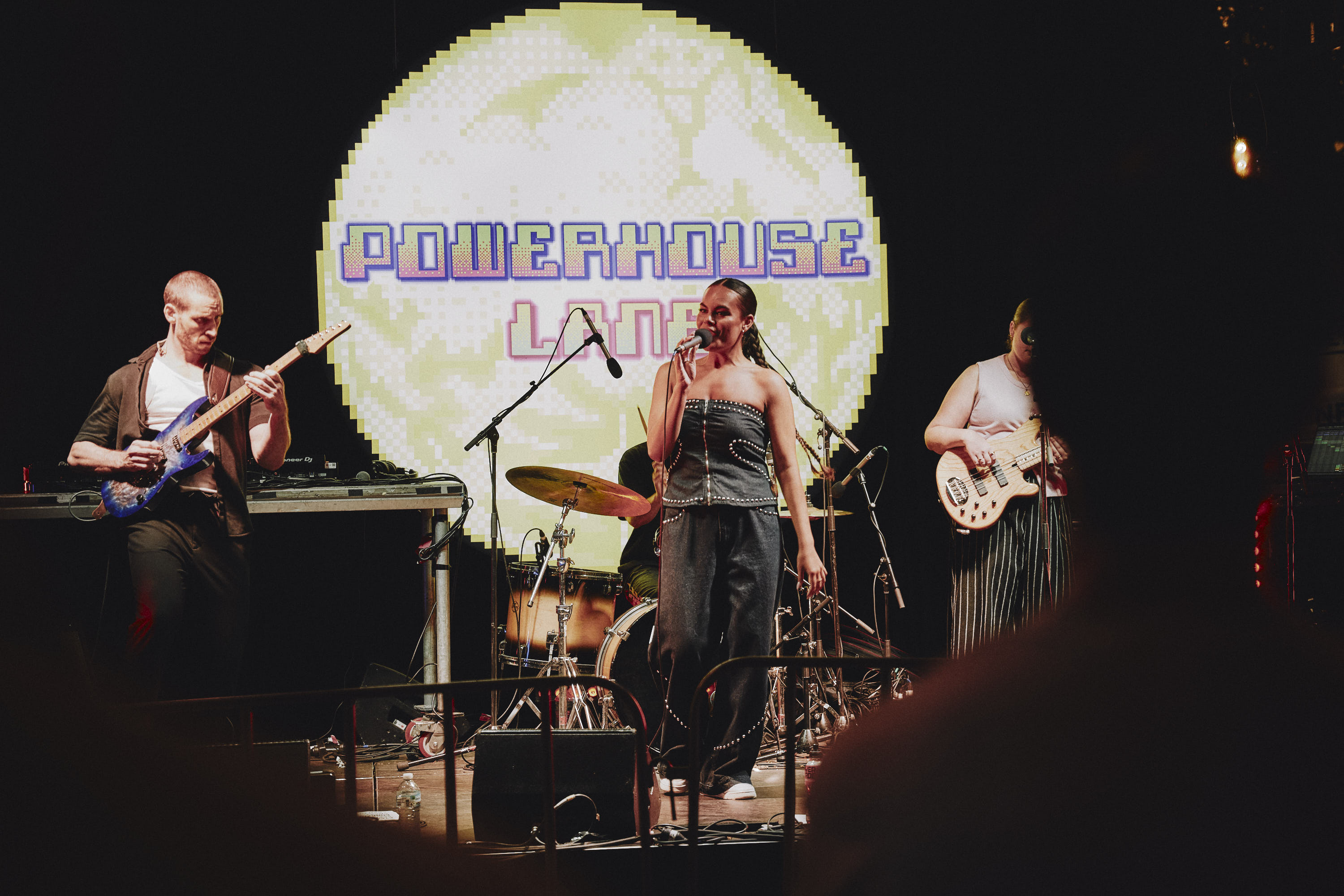
She said creating safe and culturally respectful spaces for performers was an important part of her role.
"As a brown woman in these spaces, there's other work that people aren't aware of but we do," Thomas said.
"I go out of my way to ensure safety and comfort, especially for Black and brown women. Being an artist is not easy - it's a vulnerable space."
Thomas drew on her years of youth and community work when approaching events like Powerhouse Lane.
"I have all these things in my backpack when I go into these spaces," she said.
"People think you're just there doing a production job, but there's so much more... I'm intentional about the energy I bring and the space we create for others."
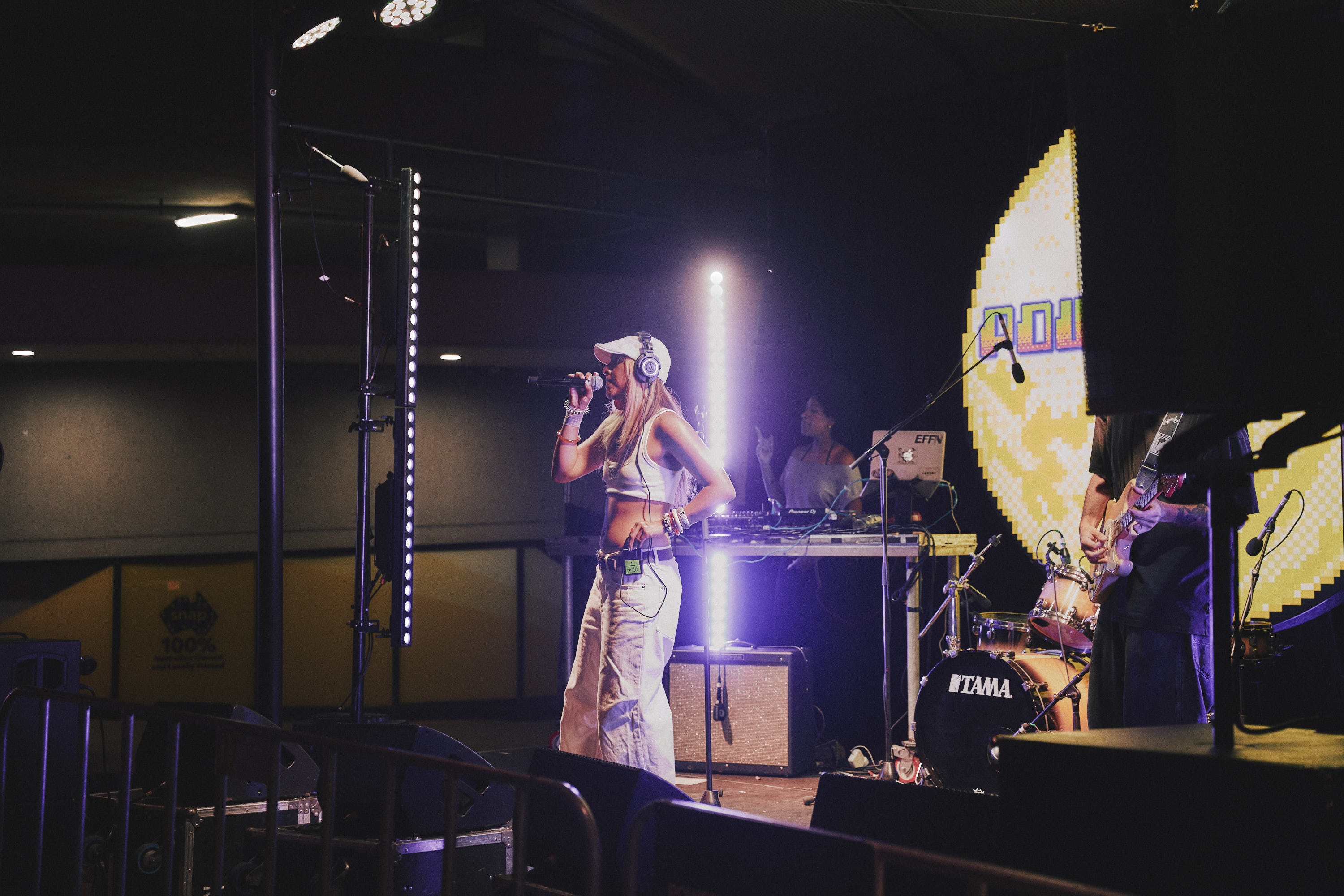
Reflecting on the response, she said audiences connected deeply with the atmosphere and diversity of the program.
"People came, they sat, and they listened," Thomas said.
"A lot of other spaces were loud and high-energy but they could come to our space to breathe and actually listen to the words.
"One Pacific woman told me, 'This is the best street because you can tell it's connected to community.'"
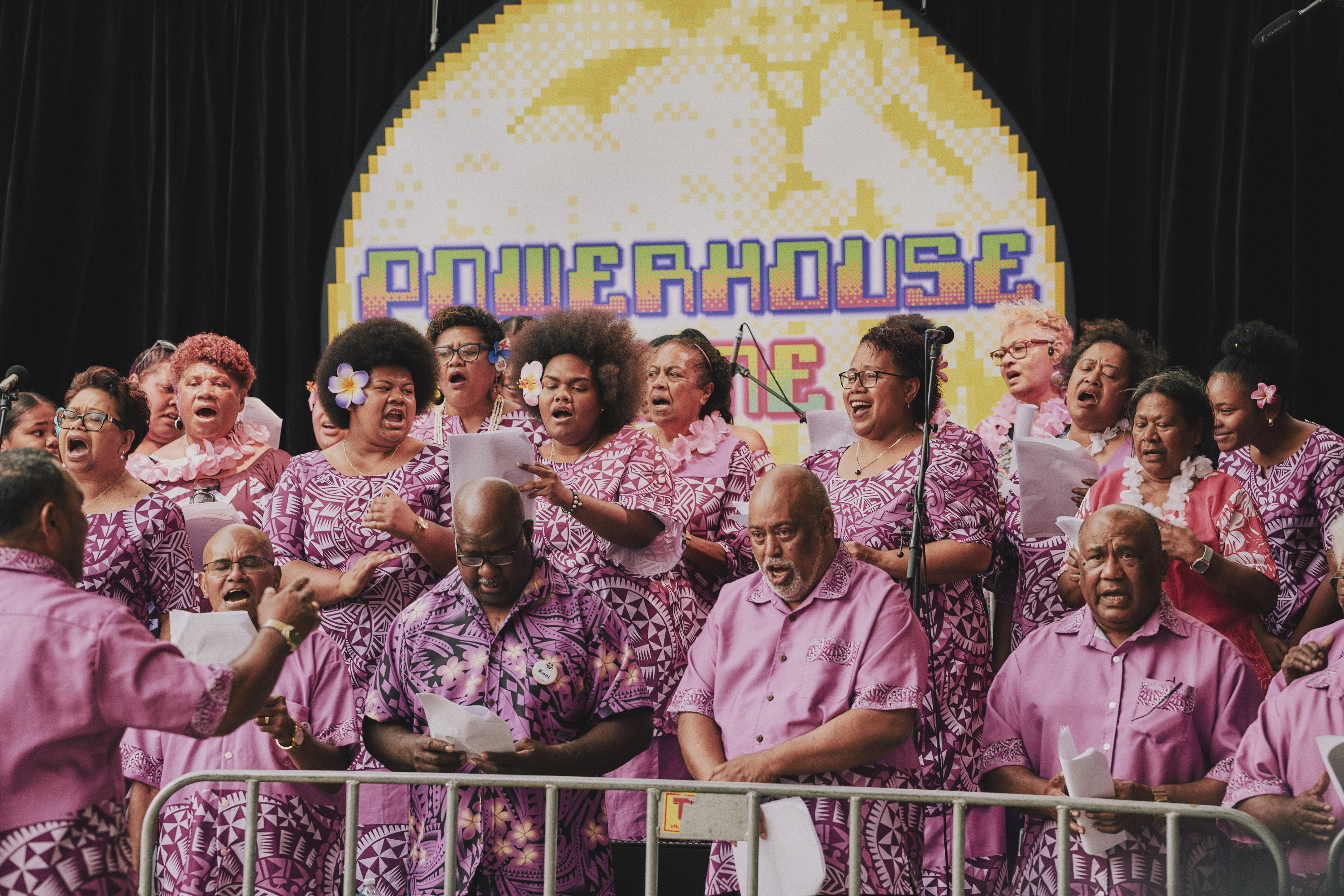
Thomas added the mix of performances from sitar music to Pacific choirs and Indigenous artists gave audiences a chance to experience new sounds and cultures.
"People were enthralled," she said.
"We had a Fijian choir from a local church - three generations singing together - and people were blown away.
"Then artists like Akala reminded everyone that mob music can be electronic, pop, soulful and powerful all at once.
"Artists like Llaney Jade, Mia Lovelock and others brought honesty and healing to the stage as it showed that our storytelling can take many forms, and that's something really beautiful to see."