






Seven First Nations stories are being featured at the 35th Flickerfest International Short Film Festival, screening a curated selection of First Nations short films on January 26 in acknowledgement of Survival Day.
Returning to Sydney's Bondi Pavilion from 23 January to 1 February, this year's Flickerfest will screen a diverse and empowering collection of short films connecting communities across the world.
For the Festival's First Nations Spotlight Shorts, selected films celebrate the outstanding works of First Nations actors, writers, directors, producers and stories from across Australia.
The lineup features award-winning films such as 'Bringing His Spirit Home' directed by Dylan Nicholls; 'La Pa Legends: A First for Mardi Gras' directed by Jes John Laverack; 'The Truth About the Telegraph' directed by Kieran Satour; 'Faceless' directed by Fraser Pemberton and William Jaka; 'The Secret' directed by Lilla Berry, 'Catchin' Mumoo' directed by Dylan Tabiltja Coleman, and 'Second Chance' directed by Thibul Nettle.
National Indigenous Times spoke with three of the filmmakers about their films and the opportunity to screen at Flickerfest.
Bringing His Spirit Home
Yuwaalaraay filmmaker Dylan Nicholls will screen his 2025 film 'Bringing His Spirit Home', which follows Gomeroi man Peter Milliken on his first visit to France to pay respects at the grave of his great-uncle, Private William Allan Irwin DCM.
Private Irwin, a Gomeroi soldier who served in the 33rd Battalion during World War I, captured three German machine guns in 1918 and was fatally wounded while attempting to take a fourth. He was awarded the Distinguished Conduct Medal for his actions, however for decades his story remained largely unrecognised in Australia.
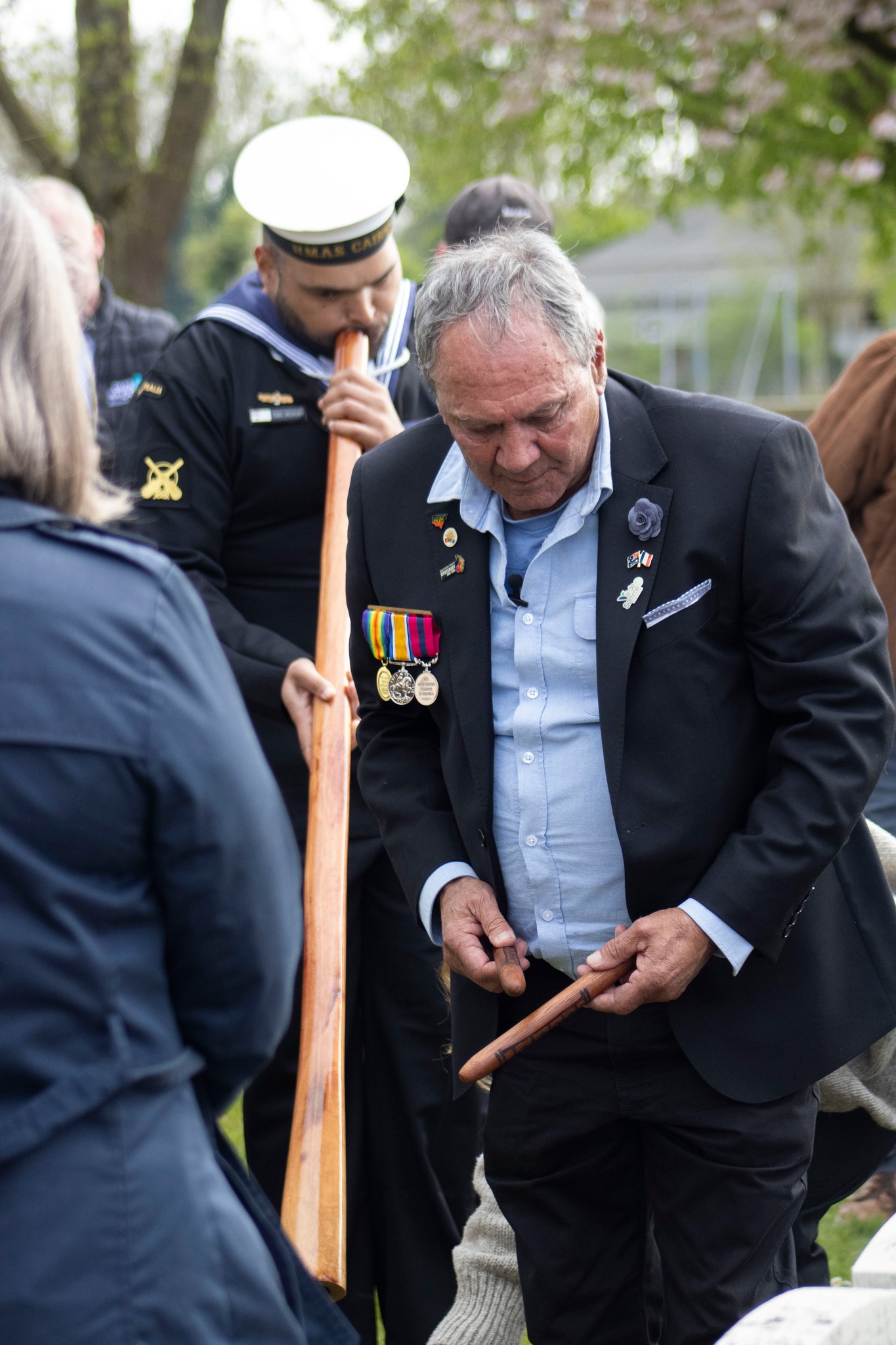
For Mr Nicholls, discovering this history was eye-opening.
"When I was growing up at school, I didn't really know that indigenous soldiers served in the First World War... I did a bit of reading into the history behind it, and realised that there are actually quite a few soldiers who did some pretty brave things in the First World War," he explained.
"And I was just shocked as to why I never heard about these soldiers, and then I learned about William Allan, Irwin, DCM."
This would ultimately form the catalyst for 'Bringing His Spirit Home', a film Mr Nicholls says reflects a common experience among First Nations communities.
"I thought it'd be a good story to tell for a lot of Indigenous people...a big thing for Indigenous people in this country is a lot of us have a history of family members being taken away and being disconnected from our culture, being disconnected from country, our land, home, stuff like that," he said.
"So I just wanted to bring awareness to that, and hopefully educate people on the sacrifices Indigenous people made, the contributions they made, and also give their family an opportunity to find some healing in that journey."
Looking ahead to Flickerfest, Mr Nicholls believes screening the film in Sydney carries special significance.
"It's an honour to have it, have it screened there...going back there this year with 'Bringing His Spirit Home', it's going to be pretty special, because Sydney was pretty much the last location in Australia that William ever set foot on. So he left Circular Quay to go off to war and never returned."
The Truth About the Telegraph
'The Truth About the Telegraph' will also screen on January 26, a short film directed by Gurindji/Malngin, Pertame Arrernte and Worimi filmmaker, Kieran Satour.
Through first-hand accounts by the Kaytetye and Warumungu peoples of Central Australia, the film explores their experiences with colonial violence and disruption caused by the Australian Overland Telegraph Line (OTL).
"It's been a real privilege for us to be able to help local communities to tell their stories," Mr Satour said.
"For us, it was really important just to highlight the Aboriginal perspective on history, because it's really clear. There's no doubt in their minds as to what happened and why.
"This film provides a platform for Aboriginal people, Elders particularly, to tell their stories and to tell their perspective and their side of the story...I think it's really important in the context of truth-telling, which we're going down the path of across the nation."
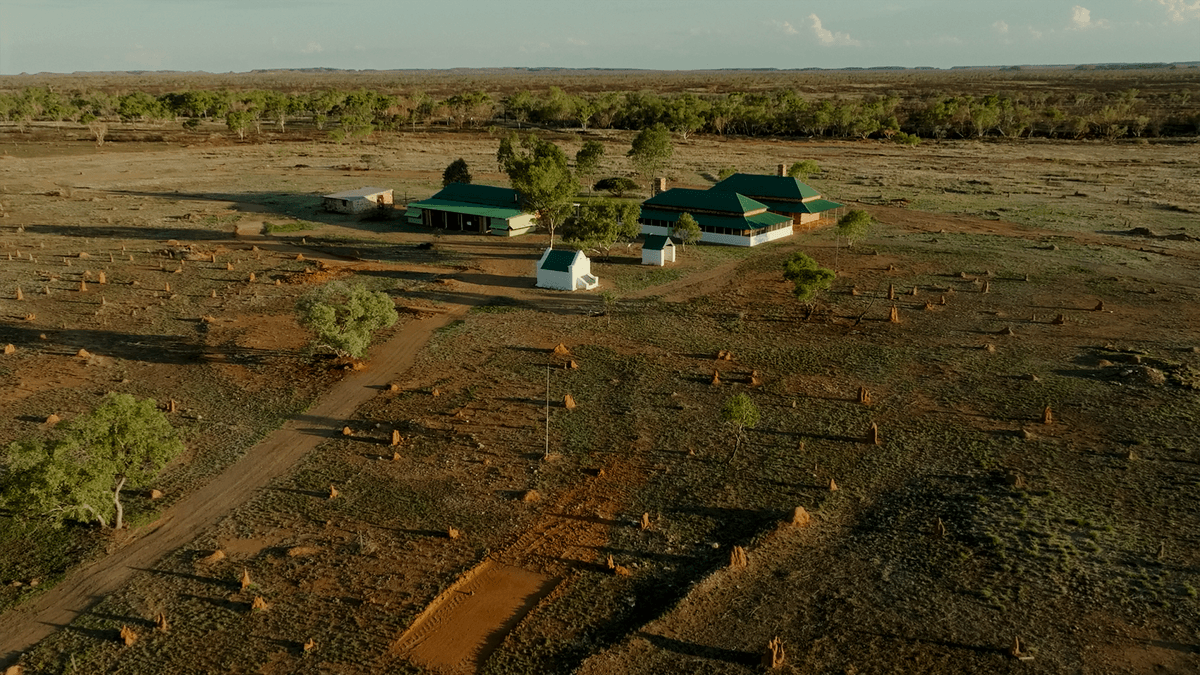
Reflecting on the film's inclusion at Flickerfest, Mr Satour said it provided an opportunity to amplify First Nations perspectives on history.
"It's fantastic, we're just so happy...We want as many people and as many Australians to see this film, whether you're First Nations or not," he said.
"This is our shared history, and it's also a shared responsibility for us to know what happens here in this country and to understand it and to look at all the different perspectives on what happened here.
"I hope people can take away that there were some horrible things that happened across the country, but there's also been a huge amount of strength of spirit and resilience of Aboriginal and Torres Strait Islander peoples in the face of colonisation. And I think that all Australians can be proud of that, too."
A post shared by National Communication Museum (@ncm_melbourne)
La Pa Legends: A First for Mardi Gras
'La Pa Legends: A First for Mardi Gras' tells the story of the La Pa Legends — a queer First Nations and allies group with connections to Sydney's La Perouse Aboriginal community — as they made history at the 'Free To Be' Mardi Gras parade in 2025.
Directed by non-Indigenous man Jes John Laverack, the film highlights a side of First Nations queer life that is often underrepresented.
"I don't think we see many First Nation queer stories that centre around joy and pride all of the time. Often, visibility goes through trauma, and this film showcases something different," he said.
"It's all about your community identity and showing up as yourself without apology. And I feel like that's really important right now."
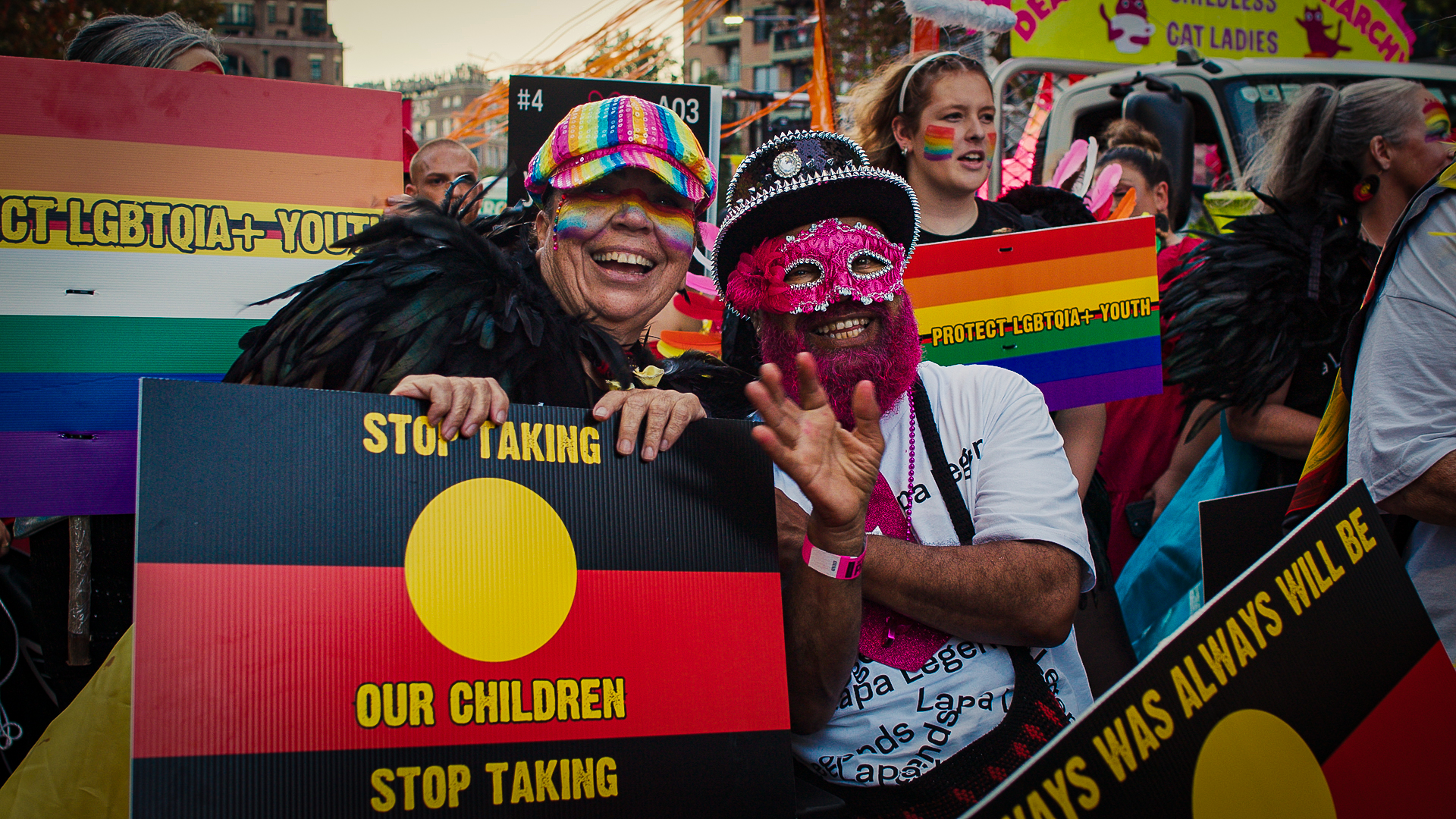
While Mr Laverack shared his excitement to be participating in Flickerfest, he also sees the experience as an opportunity to empower queer First Nations audience members.
"It just feels like a big moment for us, I was like, oh my god, we get to screen, but it's also a big moment for the community, and it's just a reminder that these stories do deserve to be on big screens," he said.
"For the First Nations audience, I hope that this film is something that makes them feel seen in some way. I hope it's a film that gives them hope and that it's a little empowering, and it's a film that helps people see that you don't have to choose between cultural identity and your queerness.
"There is a community out there that proves that this all exists together. And there are safe spaces out there, and if you haven't found one yet, there is definitely one in La Perouse."
More information about Flickerfest 2026 is available online.