





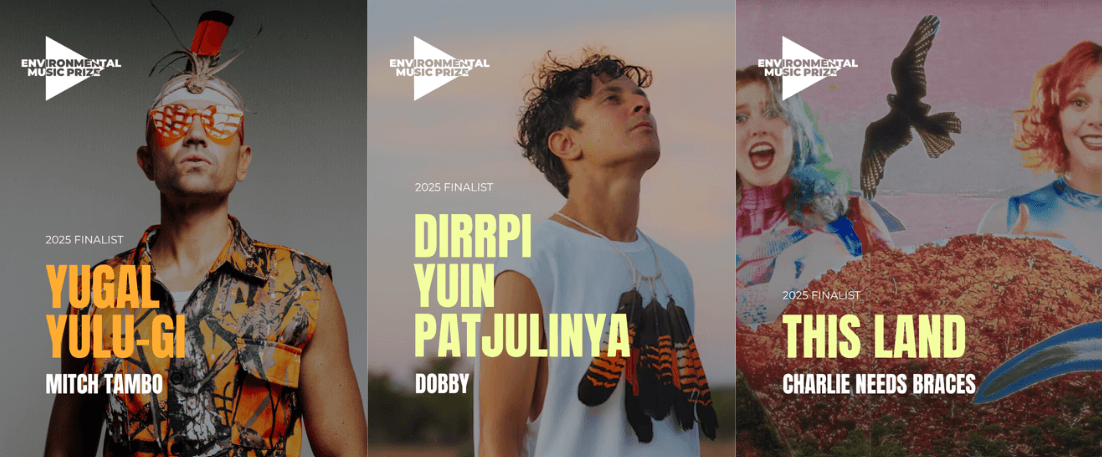
First Nations artists are taking centre stage through the 2025 Environmental Music Prize, a global first honouring music that celebrates Country, connection and inspires action for climate conservation.
30 finalists were selected in November during the UN Climate Summit (COP30) in Brazil, with songs nominated by environmental leaders, eco-conscious musicians and impact partners based on their ability to connect to nature and inspire reflection and action towards climate and conservation.
Six talented First Nations artists have been named among the line-up: King Stingray (Yolŋu), Charlie Needs Braces (Guringai), DOBBY (Filipino/Murrawarri), Mitch Tambo (Gamilaroi), Wildheart (Yugumbeh), and Sunny Luwe (Wayilwan).
Ahead of the prize's winner being announced on December 17, National Indigenous Times spoke to some of the talented First Nations finalists about what their nomination means for them.
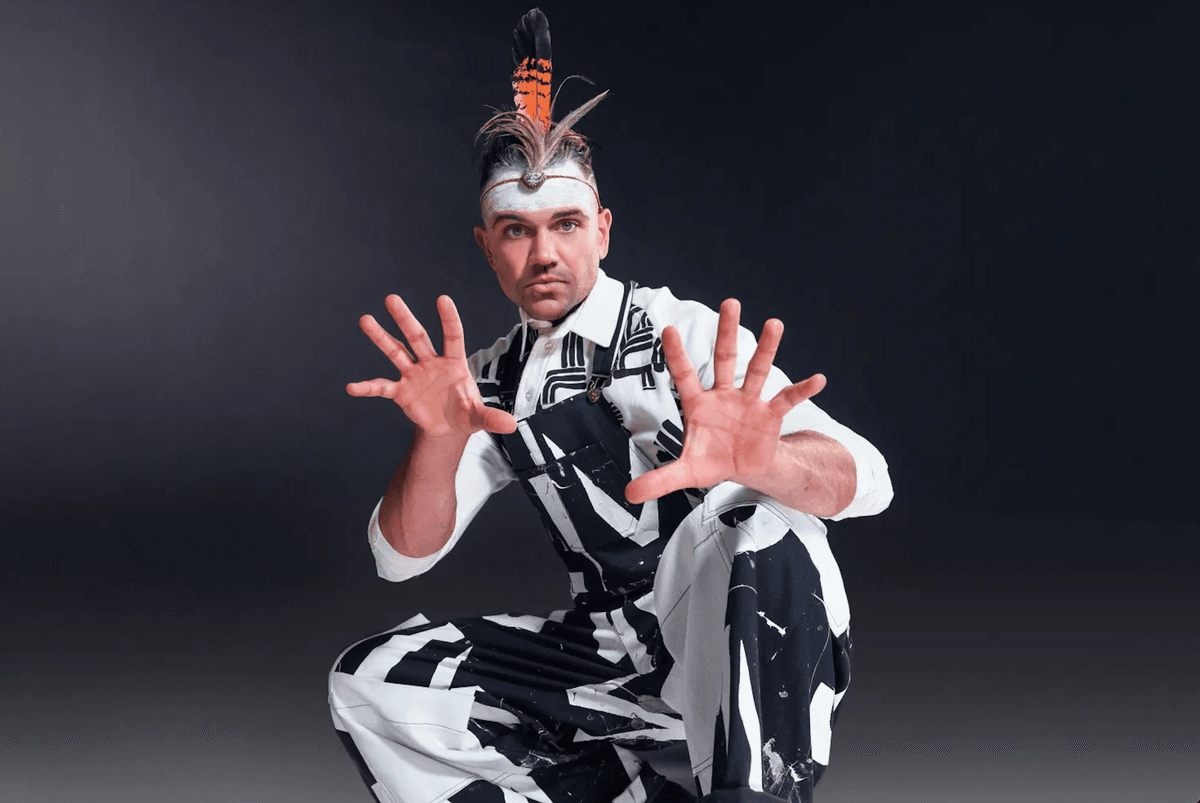
Mitch Tambo, a proud Gamilaraay artist and family man, was nominated for his 2023 single 'Yugal Yulu-Gi', meaning song and dance in the Gamilaraay language. The song explores the unspoken connection and healing that can come from Country, and emphasises the importance of protecting Country as an "ancestral obligation and responsibility".
"It's about being under the open night air, under the stars with all your loved ones, your mob, and just letting Country and song bring healing to you, but then posing the question of when that sun rises tomorrow, 'will you choose to walk in that healing, or will you continue to carry those burdens that are weighing you down in the world?'," Mr Tambo explained.
Mr Tambo described being recognised on a global stage as a "blessing".
"Everything I do is around the lens of preserving culture. And a big part of preserving culture is preserving Country and honouring Mother Earth. So to have this recognition, it's lovely - the icing on the cake," he said.
Mr Tambo believes his nomination - and a possible win - would be a collective recognition of First Nations ancestors and their enduring cultural legacy.
"I think it's not what it means for me. I think it's what it would mean for those that have come before and to have an acknowledgement of some good work that really comes from all the sacrifices of our old people and the stories that they've passed down that give that innate connection to Country," he said.
"So I think to win that award, it would be a beautiful nod that I'm on the right track, and that we're being received and somewhat respected by the mainstream world."
Sung entirely in the Gamilaraay language, 'Yugal Yulu-Gi' demonstrates how Indigenous language and storytelling can thrive within contemporary music.
"We need to let the world know that we're here and that we've survived, and English is deadly, but we can do it bigger by staying true to who we are. So we don't have to forsake who we are to fit into this Western construct," he said.
"A lot of people listen to Ricky Martin or Pitbull, Jennifer Lopez, Maluma, all these South American artists, and they go, Oh, that's great pop music. But when it comes to us, they've boxed us into red, black and yellow on Uluru.
"But we're so much more than that, and our language can transcend boundaries and barriers and can be accepted now as mainstream."
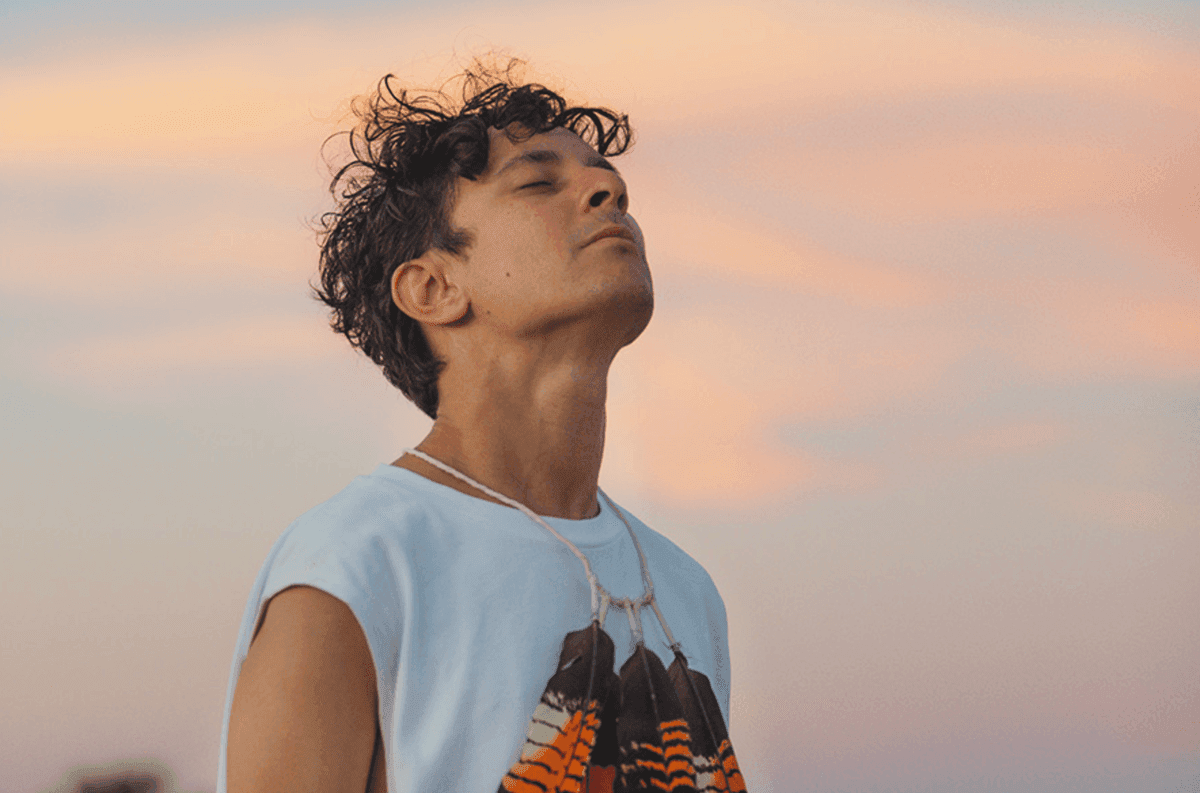
DOBBY, also known as Rhyan Clapham, also received a nomination for the Prize, recognised for his environmental activism and impact through music.
A proud Murrawarri / Filipino hip-hop artist, DOBBY is known for his unique 'drapping' (drumming and rapping) and his powerful lyricism grounded in social, cultural and environmental themes.
"It's just an honour to be nominated...even just the fact that there is a competition, a prize that's dedicated to environmental music, or music that's based on putting more focus towards caring for country and land and waterways, is just so important," he told National Indigenous Times.
Nominated for his 2024 song 'Dirrpi Yuin Patjulinya', meaning 'the bird names himself' in the local Ngemba language in Brewarrina, DOBBY uses the track to reflect on Country and the urgent need for care of land and waterways.
Most notable is the melodic motif of the Pied Butcher Bird throughout the song, centring the music on Country and DOBBY's connection to nature.
"What's beautiful about that is musically I'm following the lead of the birdsong. So artistically, it's really the bird's song that I'm creating. It's not my song. It belongs to Country...so there are so many things that we can learn from Country if we just listen to it, if we just listen to the bird song," he said.
But the song also explores the socio-political side of environmental conservation, with DOBBY calling out government inaction and the failures of leadership in protecting Country.
"Lyrically, I'm speaking a lot about a lot of different things..But towards the end of the song, I also talk about the former Prime Minister, Scott Morrison," he said.
"In 2020, the bushfires that happened were a man-made atrocity. And for him to come to these communities, having never set foot in those communities before, and then ask for a handshake is just so ridiculous. And so a lot of the lyrics were dedicated towards that time."
This message is also reinforced through the music video - blending real footage of the Murray-Darling Basin with partially AI-generated imagery to question the authenticity of our connection to it, as human activity continues to destroy land and waterways.
Reflecting on environmental music, DOBBY believes it is a concept that comes naturally to First Nations people as a virtue of their cultural connection.
"For us mob, for First Nations peoples, it's a given, it doesn't need an explanation, because it is already inherent in a lot of our music. So to be acknowledged for that feels very special, and I'm very grateful," he said.
Charlie Needs Braces, the live looping duo act consisting of GuriNgai sisters Charlie and Miri Woods, also joins the list of finalists with their 2024 song 'This Land'.
"We were absolutely stoked and honoured to be a part of it alongside so many amazing artists with really unique video clips and songs. I'm really proud that 'This Land' has been nominated, and we get to have it promoted through the prize," Charlie told National Indigenous Times.
"Winning the prize would be amazing. It would give us a platform to share our ideas and our thoughts about climate change and about protecting and taking care of Country and celebrating it. So I think it would just further enhance us as a project to be heard."
Through their lyrics and performances, the sisters aim to encourage people to connect with Country and take care of it.
"That's a massive part of the music we make," Charlie said.
Inspired by the traditional names of places, 'This Land' draws on themes of connecting with Country, celebrating land and waterways and preserving culture.
"For non-Indigenous places, often it's just like a name, and it doesn't tell heaps. But the Indigenous names have information about the resources in the area, and they can be very helpful for survival," she said.
'This Land' also incorporates field recordings of birds from the bush - kookaburras, magpies and Miri's favourite, the wompoo fruit dove. The sisters, alongside their long-time collaborator, Master Kapow, also created visuals by cutting out images of animals from National Geographic magazines and digitising them, including swimming and flying fish, and koalas.
"It was a really fun process."
With days left until a winner is announced, these First Nations artists are using their voices and music to celebrate Country and inspire environmental change.