





From one of the tiniest and most isolated communities in the world, Kylie-Lee Bradford began building her empire.
It started about a decade ago with her late mother Sheril Cahill in Patonga, in a small community that fluctuates from four to six families in Kakadu, Northern Territory. Together they created Kakadu Tiny Tots, a unique organic baby clothing line featuring hand painted art from the Kakadu Region.
Ms Bradford appeared on Shark Tank Australia and turned down an investment offer citing she had to stay true to her vision of creating impactful change. Ms Bradford grew and evolved the business into a successful venture with products stocked in over 100 retail outlets across Australia.
Native botanicals were explored and a skin care and food range created including products such as moisturising Kakadu Plum face mist, calming body lotion, native dukkah, native jam and chutneys, Miracle Healing balm, bush candles and more.
It is far more than skin care and native food business. Her mission is clear: to empower women, preserve cultural heritage, and create lasting social impact by uplifting communities through sustainable business practice.
Known today as Kakadu Organics, the business has matured into a cultural wellness company that can name major companies Qantas, Accor, Canva, Queensland Tourism Industry Council and Supply Nation as customers.
Two years ago, the reach of Kakadu Organics expanded beyond our shores, exporting skincare and bush foods to the UK, and all of their food products can be found on the shelves of Ryans Grocers stores in Singapore.
This year, the company was a finalist in the Supply Nation Supplier Diversity Awards for Indigenous Exporter of the Year.
"This is the first time we've entered any award," Ms Bradford says.
"Being recognised as a business in a rural and remote community is incredible.
"Growing up in metro, you have access to so, so much more than you do in rural and remote communities.
"I hope it's an inspiration for other women to see, from a little handmade business that has grown and now sold internationally, it means it can be done.
"We work as a team and work as a collective, so this award nomination is for all the women we work with."
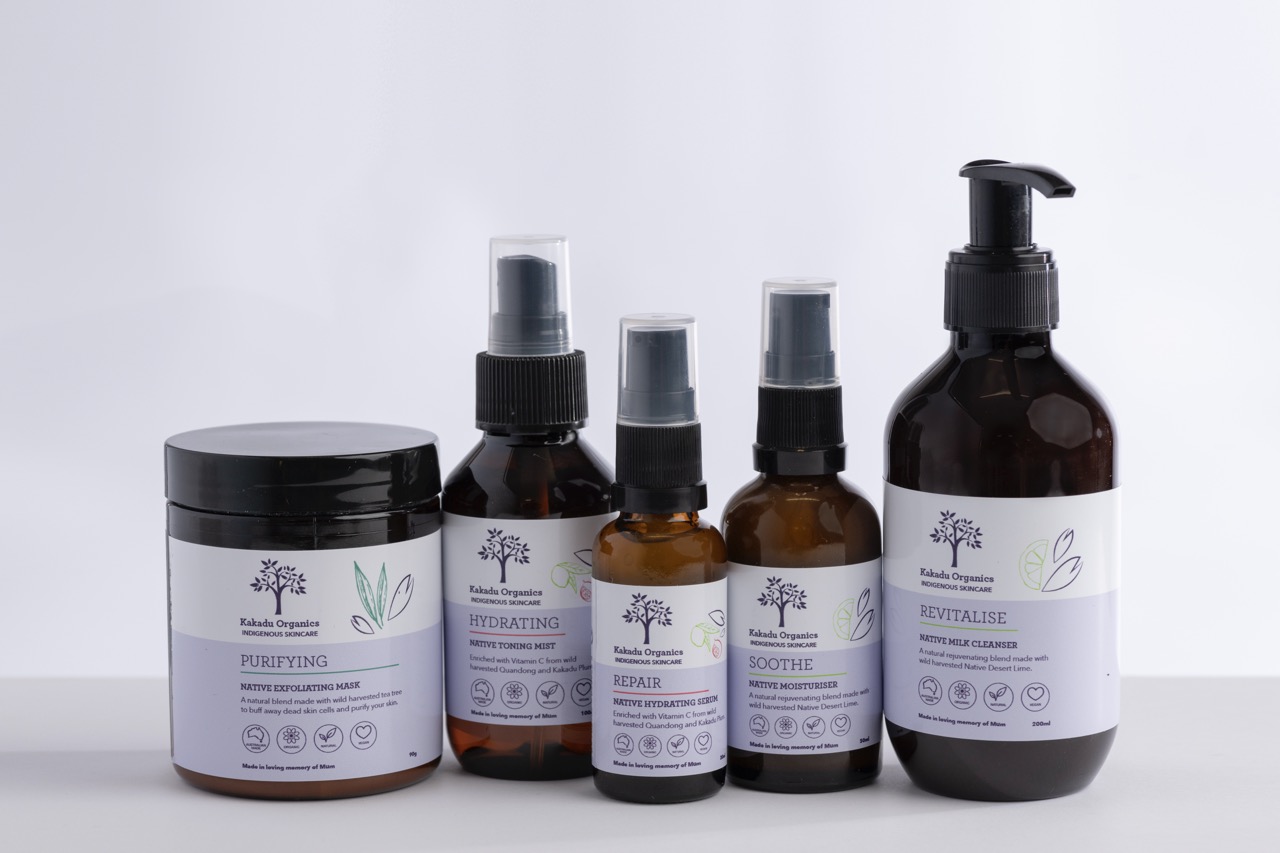
Through Kakadu Organics, Ms Bradford champions First Nations women by coaching and mentoring, fostering entrepreneurship and leadership while promoting cultural preservation.
"I wanted to carry on my mother's legacy, working in community with women, in sustainable communities," she says.
"We believe in the strength of women helping women, in the power of shared knowledge, and in the importance of standing together.
"We know that when women rise, entire communities rise with them."
A portion of every purchase from Kakadu Organics goes back to supporting Aboriginal women, in give-back programs which aid economically and also encourage the passing on of traditions, stories, and wisdom to future generations.
Mother of three daughters aged 21, 13 and 10, and a 16-year-old son, Ms Bradford's older children work in her new bricks-and-mortar shop in Samford Village in Brisbane.
"I'm most proud of our journey so far, my commitment to my family and my kids, for them to see me on stage or on TV and making them proud."
With qualifications in Life Coaching, Trauma-Informed Care, Mental Health First Aid, Tourism and Events, and a diploma from Murra Business School, Ms Bradford's expertise is both broad and deeply rooted in community values. She uses her knowledge and experience to support other Indigenous women in rural and remote communities.
"Knowing the logistical nightmares of having a remote business, I want to help other female Indigenous women to create micro businesses in a sustainable way," she says.
"I spend most of time coaching and helping women now, and from there, I'm able to provide a platform, Kakadu Organics, that puts their products into the hands of consumers.
"Importantly, our model pays suppliers upfront and we don't pressure women to supply minimum amounts, which is important for those wild harvesting botanicals - for example, one month, we might only buy ten items.
"It's the same with the artists we work with, we'll pay them to commission artwork, rather than just paying them a 10 percent royalty every time a drink bottle is sold.
"I'd love to see more women in rural and remote communities have the support to develop products and help them reach corporates clients."