






The largest exhibition of Aboriginal and Torres Strait Islander art ever presented internationally, The Stars We Do Not See: Australian Indigenous Art, will make its global premiere in Washington DC in 2025.
With the exhibition premiering at the National Gallery of Art, Washington DC before touring venues throughout North America 2025-2027, The Stars We Do Not See: Australian Indigenous Art, will premiere on the 18th of October 2025.
The Stars We Do Not See features over 200 works by more than 130 artists, including the undisputed masterpieces from the NGV Collection and curated by the NGV, especially for North American audiences.
The exhibition will later travel to the Denver Art Museum in Colorado, the Portland Art Museum in Oregon, the Peabody Essex Museum in Massachusetts and the Royal Ontario Museum in Canada.
Through an engaging display of iconic masterpieces, including many that have never-before left the country, the exhibition charts watershed moments in Indigenous art, revealing the rich history of creativity in Australia that pre-dates the arrival of Europeans.
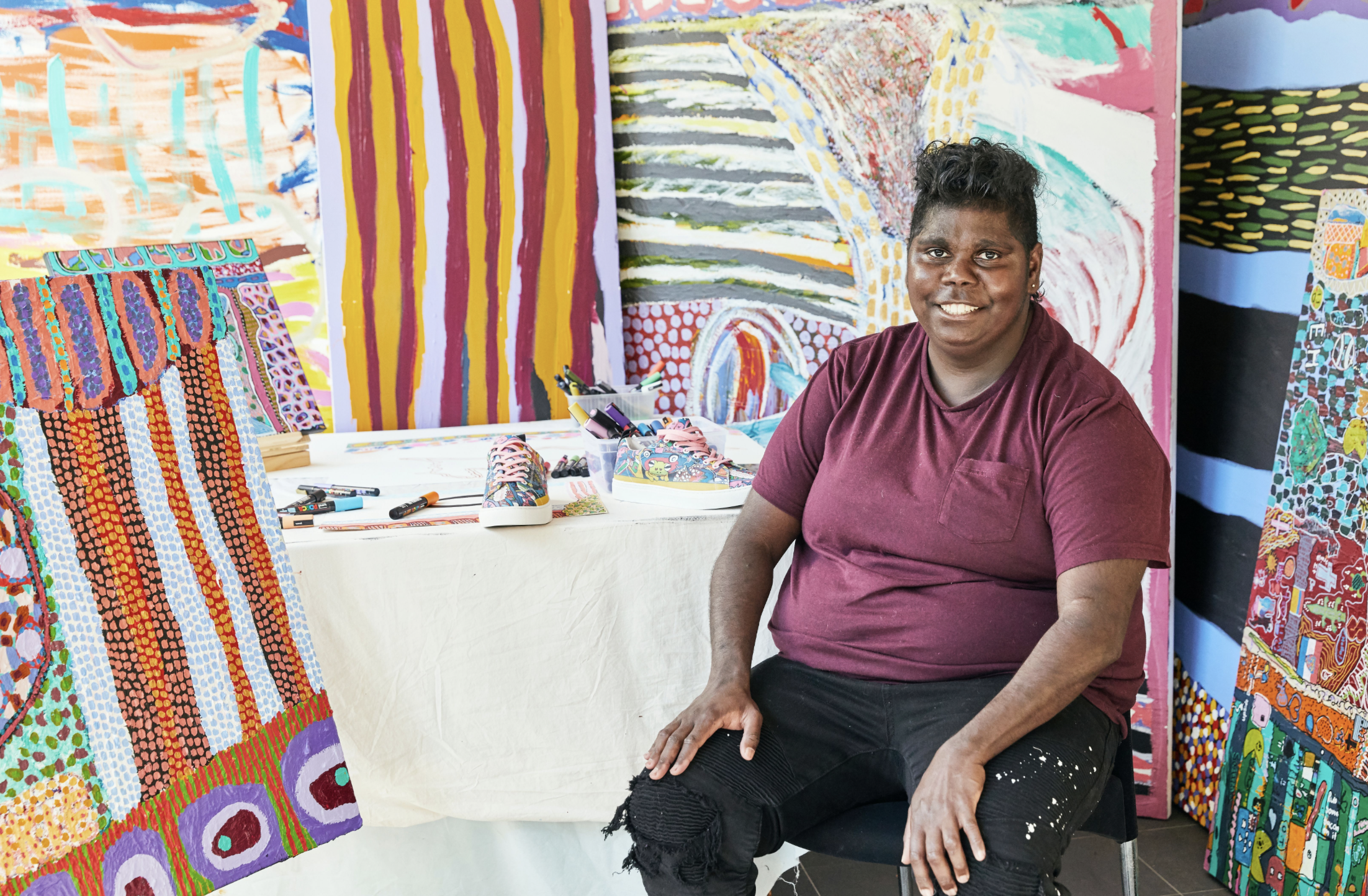
Senior curator of Australian and First Nations Art at NGV and curator of The Stars We Do Not See, Myles Russell-Cook, shared that this is an exciting industry first for the First Nations art community.
"It is impossible for any exhibition to fully capture the diversity and complexity of Australian Indigenous art. Since long before the invention of the written word, First Nations people have transmitted important cultural knowledge through a combination of art, song, dance and story.
"These works represent 65,000 years of culture, sharing the unique and special qualities of First Peoples art in Australia with the world. Both the book and the exhibition represent a significant community effort, which I hope will foster greater connection and understanding of First Peoples culture and art," he said.
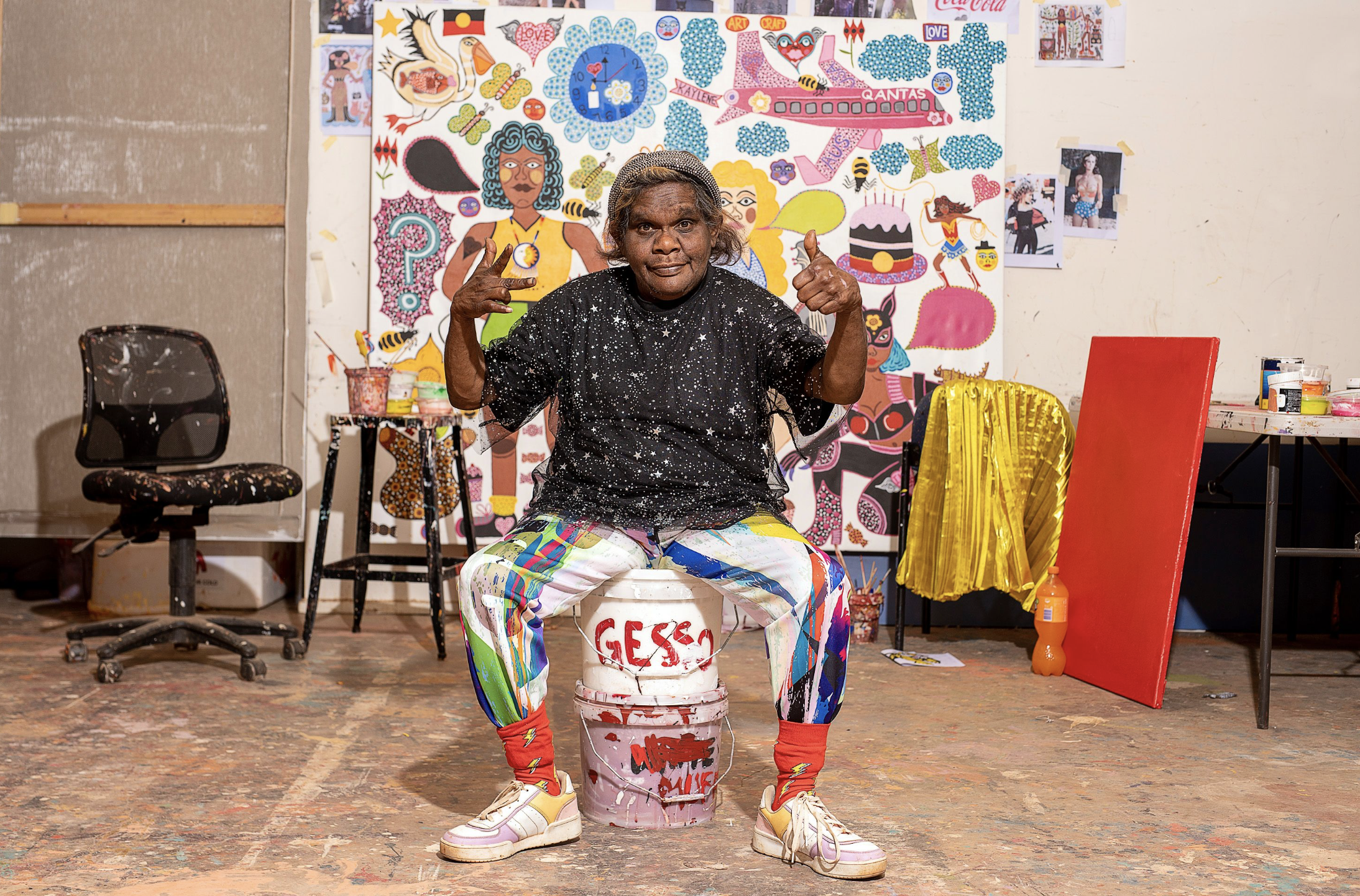
Premier of Victoria Jacinta Allan said she feels proud to support and advocate for the exhibition.
"We are proud to support this exhibition which celebrates the rich histories and cultures of Victoria's First Peoples, honouring the oldest living culture in history and sharing their stories with people from across the country and the globe," she said.
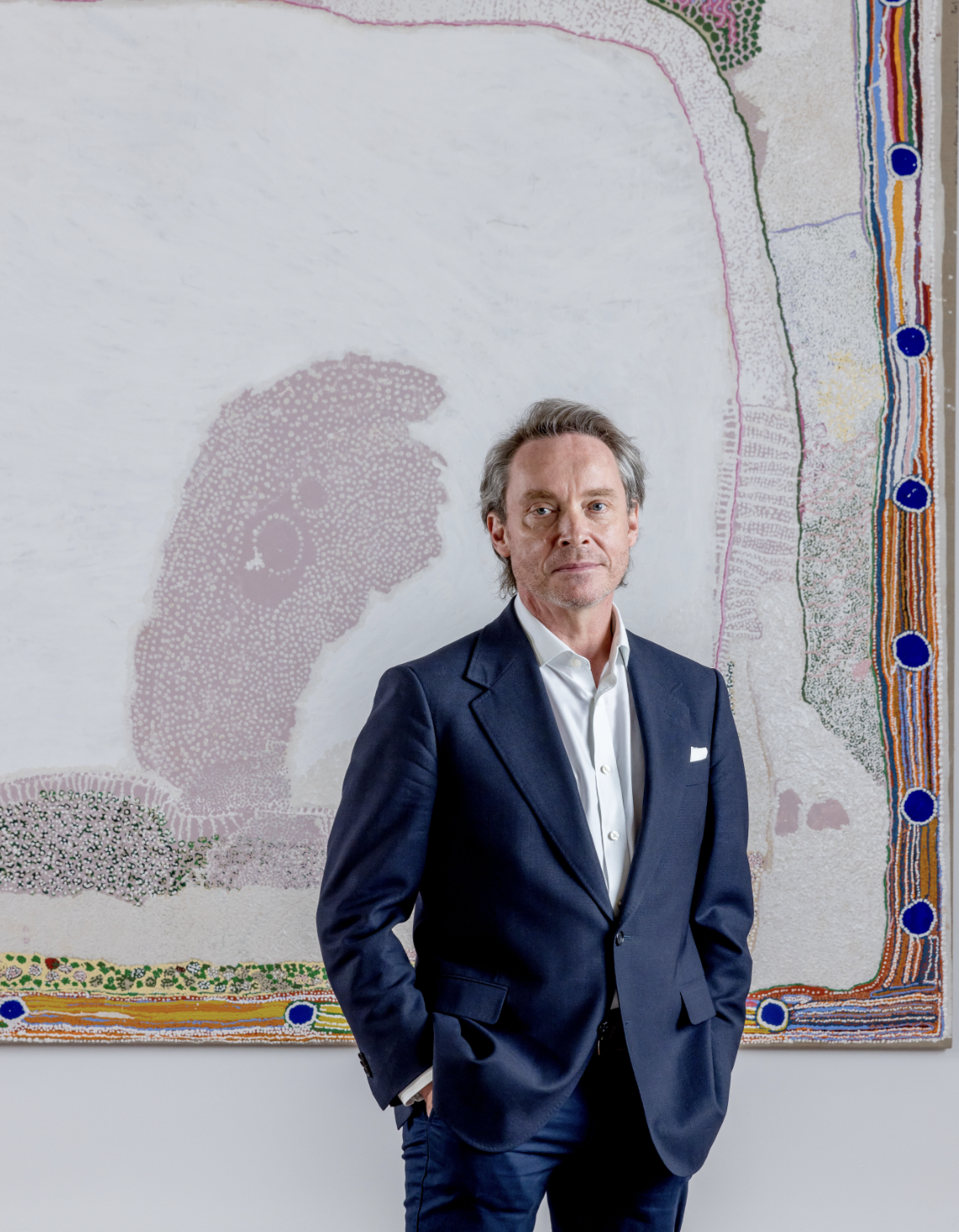
Director of the NGV, Tony Ellwood said that never before has a volume of works of this size and national significance toured internationally.
"Many of the works travelling are globally recognised as undisputed masterpieces – with many visitors travelling to the NGV in Melbourne just to see these iconic examples of Indigenous Australian art. Never-before has a volume of works of this size and national significance toured internationally, making this a truly rare opportunity for North American audiences to experience and appreciate these globally important works up close," he said.
"One of the core roles of the NGV as a public institution is to share Australian arts and culture with as many people as possible. We are delighted to be partnering with our North American colleagues to share the work and stories of these important Australian First Nations artists with the world."
The exhibition's title, The Stars We Do Not See, is in part inspired by the late senior Yolŋu artist Gulumbu Yunupiŋu (1943–2012), who, after her passing, became known as 'Star Lady' for her extensive paintings of the night sky. Yunupiŋu's intricate works, a selection of which will be featured in the exhibition, use crosses to represent the stars we can see, and a dense network of dots to symbolise the stars we cannot see; the unseen expanse of the universe.
The Stars We Do Not See introduces audiences to customary forms and styles in Indigenous Australian art, including the conceptual map paintings of the Central and Western deserts (sometimes colloquially referred to as 'dot paintings'), ochre bark paintings, cultural objects and ambitious experimental weavings, as well as the work of new media artists, who both challenge and build upon tradition with ground-breaking works in neon, video, photography, sound and much more.
Highlighting the diverse and distinct visual iconographies of Indigenous Australia, which is made up of more than 250 distinct Indigenous nations, the works featured span the Australian continent, including the Tiwi Islands, Arnhem Land, Far North Queensland, the Torres Strait, the Central Desert, Southwestern Australia, the Kimberley, the Southeast, and more.
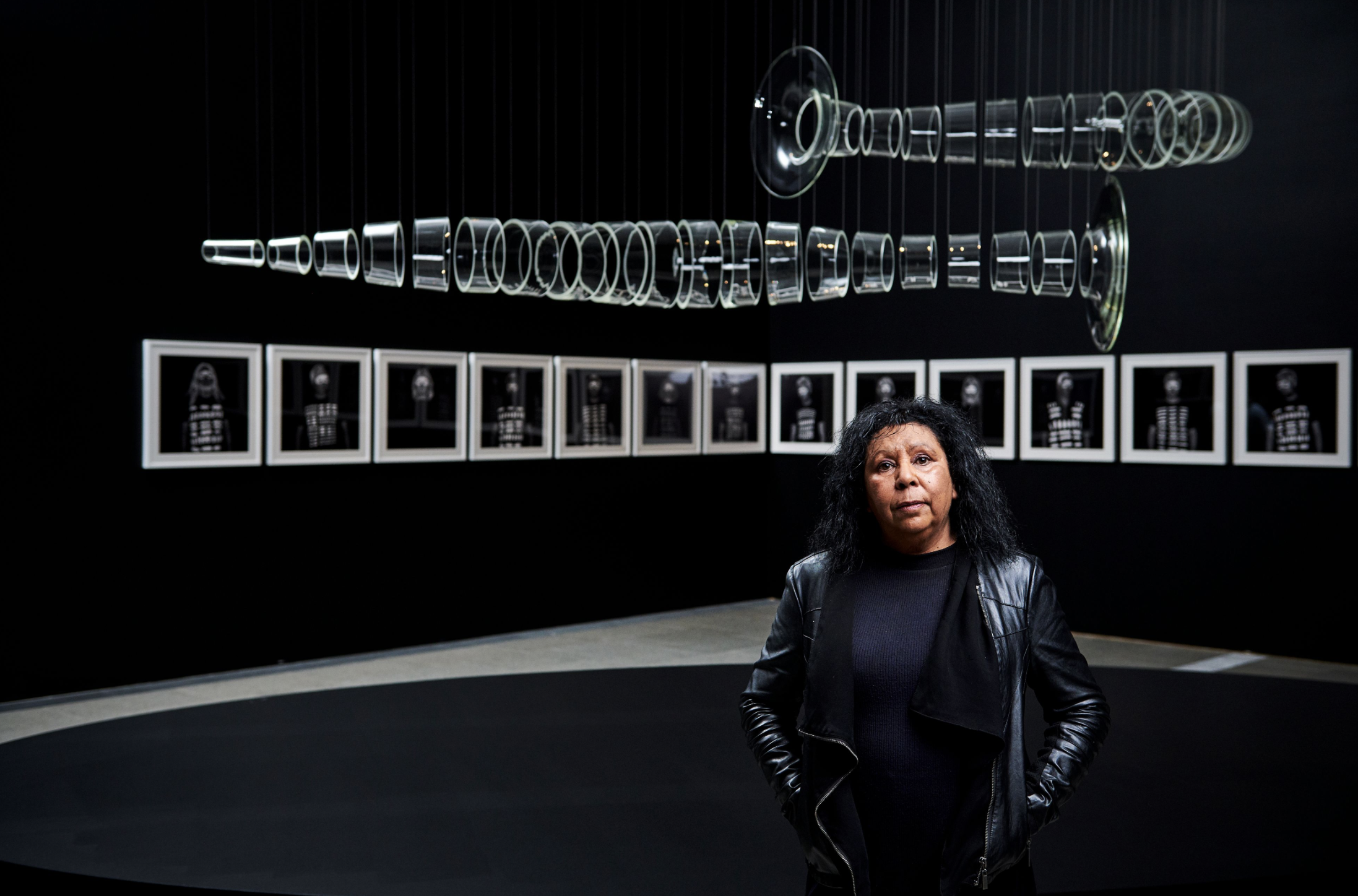
Featured works never-before-seen in North America include Emily Kam Kngwarray's magnum opus and largest painting, Anwerlarr Anganenty (Big Yam Dreaming) 1995. Urban-based contemporary artists working in new media are also represented throughout the show, with key works by influential artists such as Brook Andrew, Richard Bell, Reko Rennie, Ricky Maynard, Maree Clarke and Lorraine Connelly-Northey. With further highlights including Christian Thompson's, Burdi Burdi (Fire Fire), 2021, a four- channel sound installation that explores the loss of First Nations languages, and many more.
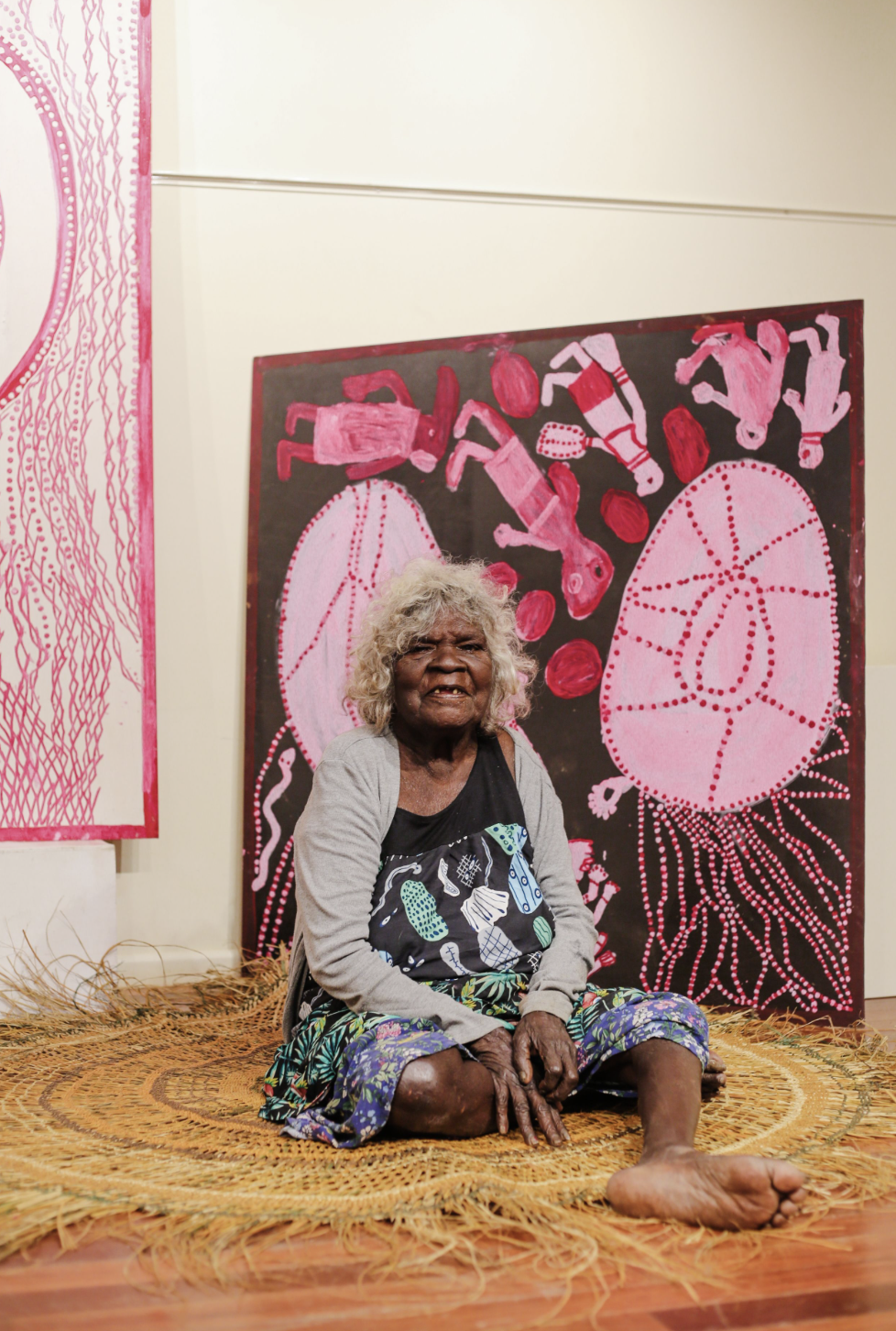
Director of the National Gallery of Art, Washington DC, Kaywin Feldmann said the gallery is eager and excited to join forces with the National Gallery of Victoria in this cultural exchange set to take place in 2025.
"We are thrilled to collaborate with the National Gallery of Victoria in this cultural exchange, which will see our storied American art collection reaching audiences on the other side of the world. We are very pleased to be able to bring these important Indigenous Australian artworks to US audiences, many for the very first time.
"This exhibition exchange has been a joyful collaboration with the staff at the NGV and our North American partners. We are all deeply grateful for the generous loans of so many masterpieces from the NGV collection," she said.
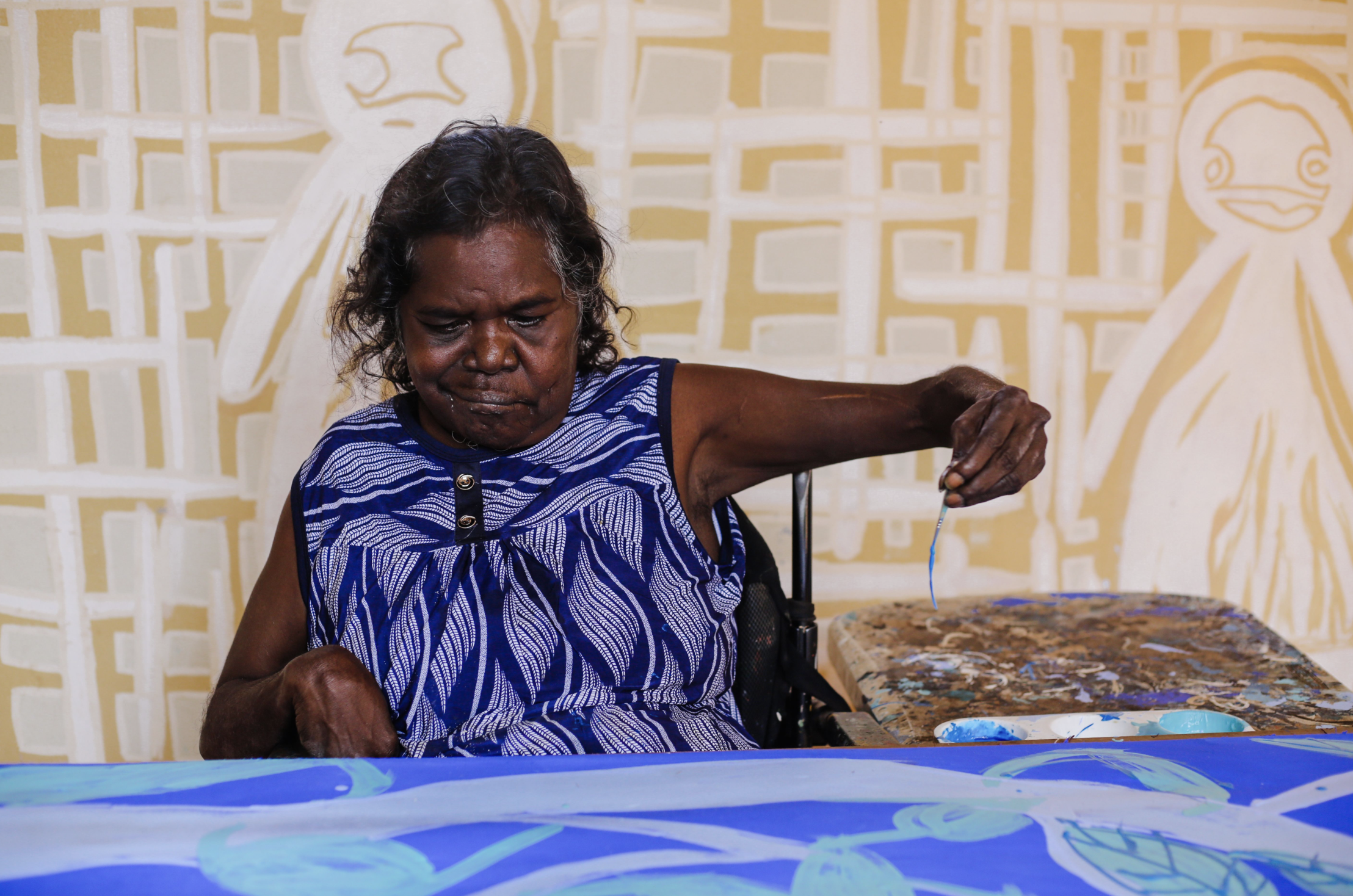
The new exhibition is also accompanied by a major publication produced by the NGV and the National Gallery of Art, Washington in association with D.A.P./Distributed Art Publishers.
Illustrated with more than 100 individual artwork plates by First Nations Australian artists, the volume features over 30 contributing authors and all-new writing on artists and works in the exhibition, including an essay on the history of Indigenous art in Australia by exhibition curator, Myles Russell-Cook.
The Stars We Do Not See: Australian Indigenous Art is organized by the National Gallery of Victoria and the National Gallery of Art, Washington in association with the Denver Art Museum, the Portland Art Museum, the Peabody Essex Museum, and the Royal Ontario Museum.
The full North American tour schedule follows:
• National Gallery of Art, Washington: October 18, 2025 – March 1, 2026
• Denver Art Museum, Colorado: April 19 – July 26, 2026
• Portland Art Museum, Oregon: September 2026–January 2027
• Peabody Essex Museum, Massachusetts: February – June 2027
• Royal Ontario Museum, Toronto: July 2027–January 2028
For more fashion, beauty and lifestyle news subscribe for free to the Style Up newsletter.