



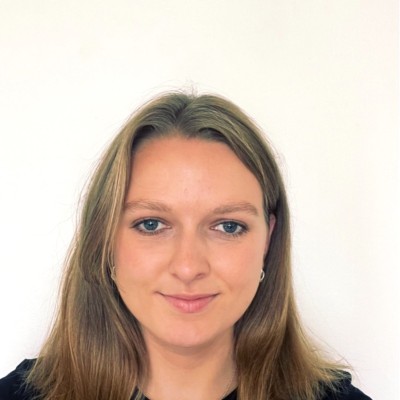

A Kimberley publisher is calling for urgent changes to Australian copyright laws after discovering dozens of their books had allegedly been scraped by Meta to train artificial intelligence systems without the knowledge or consent from their creators.
Magabala Books chief executive Dr Lilly Brown says at least 37 titles published by the Broome-based Aboriginal publishing house were used by Meta without permission, payment or recognition for the authors.
The issue was raised at the Broome Speakers Forum and made public today, November 17, during a verbal submission to United Nations Special Rapporteur on the Rights of Indigenous Peoples, Dr Albert Barume.
Dr Barume has been in Australia gathering evidence from First Nations communities, advocates and organisations for a formal country visit report to be presented to the UN Human Rights Council in September 2027, a process that can place international diplomatic pressure on the Federal Government to strengthen domestic protections.
Among the titles allegedly scraped were Yorro Yorro: Everything Standing Up Alive by the late David Mowjarlai, a book of significant cultural importance, as well as Jandamarra and the Bunuba Resistance and Black Cockatoo, co-authored by Jaru and Kija man Carl Merrison.
Dr Brown said the unauthorised use of First Nations stories was about more than copyright, warning the material contained cultural knowledge, histories and connections to Country that could not be separated from the people and communities they belonged to.
In the speech she said current Australian intellectual property laws failed to adequately protect Indigenous Cultural and Intellectual Property (ICIP), leaving First Nations creators with little to no ability to challenge the use of their work by large technology companies.
"First Nations creators should hold the right to say no," Dr Brown said.
"First Nations creators and storytellers should be compensated for their stories and knowledge, if they say yes."
Magabala Books is not alone in pushing back against the unconsented use of Australian works in AI training datasets.
Across the broader publishing and arts sectors, Australian publishers, the Australian Society of Authors (ASA), and the Media, Entertainment & Arts Alliance (MEAA) have been lobbying the Federal Government over the same datasets, urging Canberra not to cave to tech industry pressure to introduce a US-style "fair use" or text-and-data mining exception into Australian copyright law, or an "opt-out" model that shifts the burden onto creators.
Dr Brown said the use of Indigenous cultural material without consent undermined rights recognised under the United Nations Declaration on the Rights of Indigenous Peoples, including the right of communities to maintain, control and protect their cultural heritage and traditional knowledge.
She said the issue was particularly concerning for Magabala Books, which was established almost 40 years ago by Aboriginal Elders and community members to protect First Nations stories and ensure their creators were recognised and paid.
Since 2022, Magabala Books has published 67 new titles, paid $2.1 million in royalties and distributed $375,000 in grants directly to First Nations people.
Dr Brown said the organisation's founding vision was now facing a new challenge as artificial intelligence companies increasingly accessed creative and cultural material.
While the Federal Government is developing a mandatory national AI framework, expected to be implemented in 2027, and the Office for the Arts, alongside Creative Australia, has been progressing consultations on stand-alone ICIP legislation, Dr Brown said enforceable safeguards protecting First Nations knowledge from AI scraping remain urgently needed.
She is calling on governments to strengthen copyright legislation and implement the six recommendations from the 2023 United Nations Declaration on the Rights of Indigenous Peoples inquiry, led by Dr Patrick Dodson.
The recommendations include developing a National Action Plan and introducing stronger safeguards to protect First Nations people from the unauthorised extraction of their knowledge and cultural material.
Dr Brown also referenced work by University of New South Wales Professor Kathy Bowrey, whose Copyright Plus: A Framework to Protect Australian Creators from AI Related Harms offers a potential model for stronger protections.
Quoting Indigenous Cultural and Intellectual Property expert Dr Terri Janke, Dr Brown said artificial intelligence could not understand the cultural protocols and responsibilities attached to Indigenous storytelling.
"AI got no Dreaming. AI doesn't know protocols," Dr Janke said.
Dr Brown said stories were connected to particular Countries, lands, seas, waters, kin and people, and could not simply be taken and repurposed without cultural authority.
She warned that the rapid development of AI was creating another form of cultural extraction, "echoing the historical theft of First Nations knowledge and stories".
For Magabala Books, she said, protecting Indigenous storytelling was not just about protecting authors' rights, but ensuring First Nations communities retained control over their stories for generations to come.
National Indigenous Times has contacted Meta for comment.