






The Australian Museum has announced the opening of a groundbreaking new 3D lenticular First Nations photographic exhibition - Unfinished Business.
Sharing first-person experiences of Aboriginal and Torres Strait Islander people living with disabilities in Australia, Unfinished Business features intimate images and stories told by 30 Aboriginal and Torres Strait Islander people with disability from remote, regional, and urban communities across Australia.
The exhibition was created by Sydney-based human rights documentary-maker Belinda Mason OAM with Liam Knierim, and developed in collaboration with the First Peoples Disability Network (FPDN).
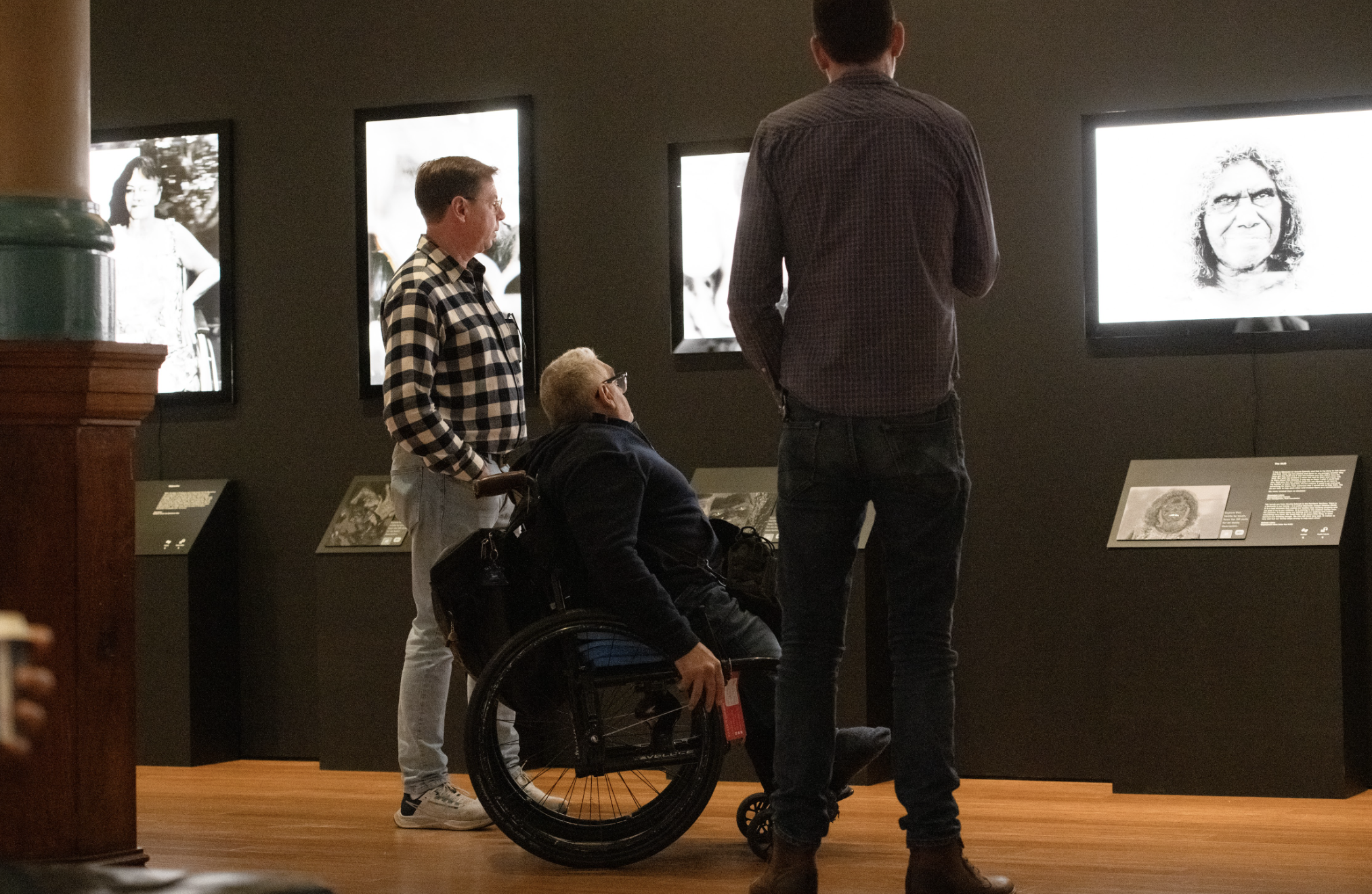
Unfinished Business brings together powerful 3D lenticular portraits (images that appear to move and shift as viewers walk past them) alongside a short documentary film and an insightful new installation to reveal the strength, resilience and diversity of First Nations people with disability across Australia.
Australian Museum director and chief executive, Kim McKay AO, said the exhibition marks an important milestone in accessibility, inclusion and representation.
"This is a profoundly important exhibition that speaks to inclusion and truth-telling. Each story is told on the participants' own terms, with each selecting their own words, narrators and imagery, challenging perceptions and sparking conversations about disability, identity and community," she said.
"For the first time, we are proud to present this exhibition in a more accessible format, ensuring even more visitors can experience these powerful First Nations stories in meaningful ways."
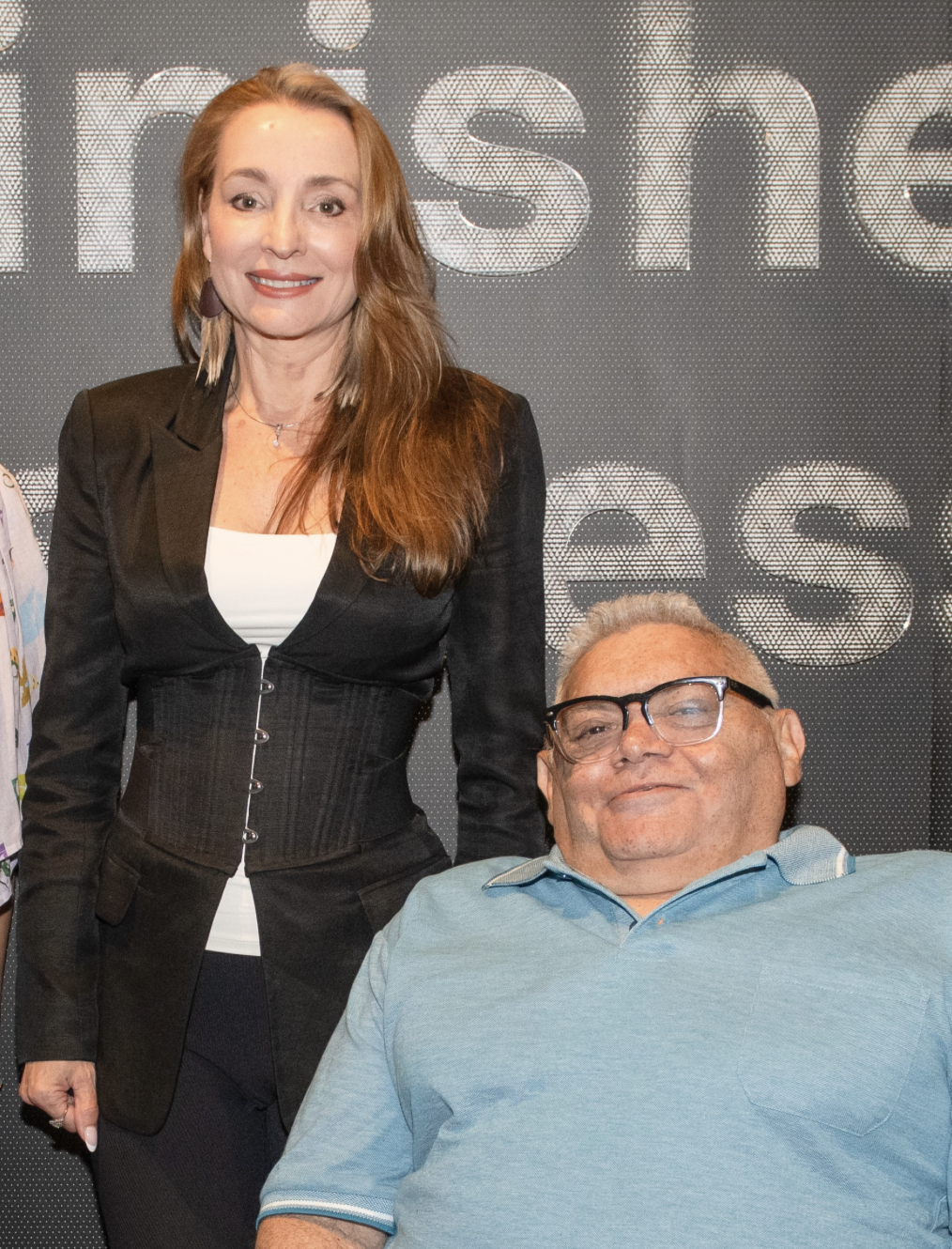
Working with Vision Australia and Expression Australia, the Australian Museum has embedded accessibility from the outset. The exhibition features tactile panels, audio descriptions, Auslan interpretation and large-print materials, ensuring people who are blind, have low vision, are deaf or hard of hearing can fully connect with the stories being shared.
Visitors can access an Audio Description Tour, an Auslan Tour produced by Expression Australia, and Audio of Exhibition Labels via QR codes throughout the exhibition and online.
Australian Museum Director - First Nations, Laura McBride, said accessibility was central to the design and presentation.
"This exhibition reflects the Museum's commitment to creating spaces that are culturally grounded and accessible," she said
"It's critical to recognise that ableism and racism compound the experiences of Aboriginal and Torres Strait Islander people living with disabilities-this intersection of oppression remains unfinished business."
The exhibition was launched in September 2013 at the Palais des Nations in Geneva by Kassym-Jomart Tokayev, then director general of the United Nations Office in Geneva, and Peter Woolcott, Australia's ambassador to the United Nations.
Since then, the exhibition has been travelling globally, but this is the first time it will be presented in such an accessible format.
Mason said the exhibition reflects the strength and honesty of its participants.
"Unfinished Business amplifies the voices of First Nations people with disability who have too often been unheard. Each portrait and story comes directly from the person pictured," she said.
"The lenticular portraits bring these stories to life, creating a sense of movement and depth that mirrors the complexity of each individual experience."
The exhibition draws attention to one of Australia's most critical social justice issues. Research shows that around half of Aboriginal and Torres Strait Islander people live with a disability or long-term health condition-nearly twice the rate of the non-Indigenous population-yet their stories are rarely seen or heard in mainstream cultural spaces.
Presented with the support of The Balnaves Foundation, Unfinished Business at the Australian Museum raises the bar for inclusion and representation in museum practice.
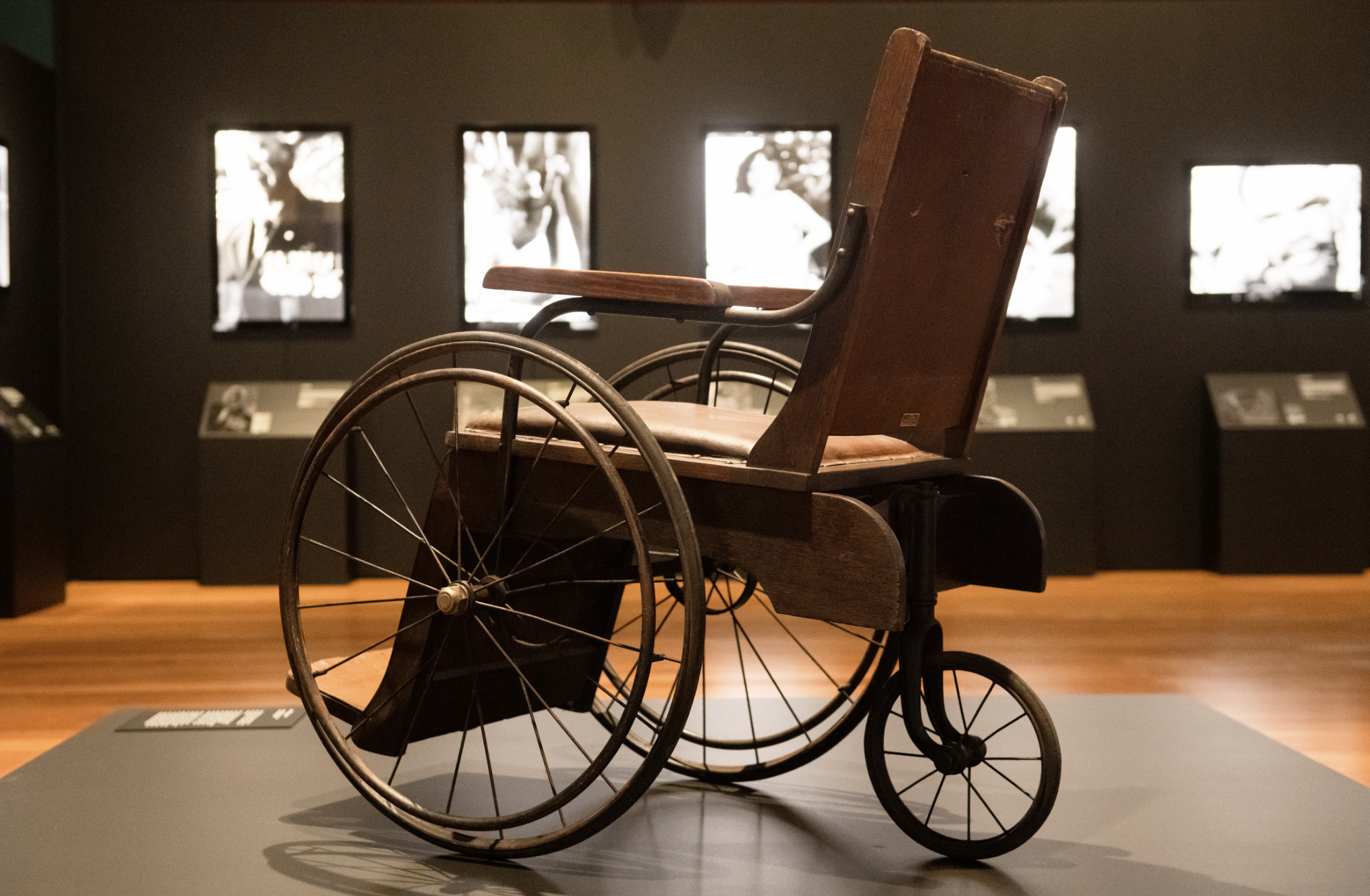
A powerful new installation developed for the Australian Museum exhibition, Not Fit for Purpose, created by Uncle John Baxter (one of the 30 people featured in the exhibition), confronts visitors with the harsh reality of inadequate disability support systems. Uncle John is also a respected Latja Latja and Narungga Elder and 2025 AM Mob at the Museum Cultural Resident.
The installation features old and outdated mobility equipment, highlighting the significant difficulty and prohibitive expense associated with obtaining modern equipment.
Not Fit for Purpose also draws attention to a critical gap: most aids and equipment on the market today are not designed for outdoor use, creating hardship in regional and outback conditions where sealed surfaces, ramps and disability access are lacking.
"We're particularly honoured to have Uncle John Baxter as a cultural collaborator on this exhibition. His decades of advocacy for cultural identity, justice and inclusion, and his willingness to share his lived experience, embody the exhibition's spirit of truth and respect. Visitors can also meet Uncle John at the exhibition to hear his reflections on culture, identity and resilience," McBride said.
Unfinished Business is on display at the Australian Museum from the 1st of November 2025 until the 19th of April 2026.
For more fashion, arts, culture and lifestyle news subscribe for free to the Style Up newsletter.