




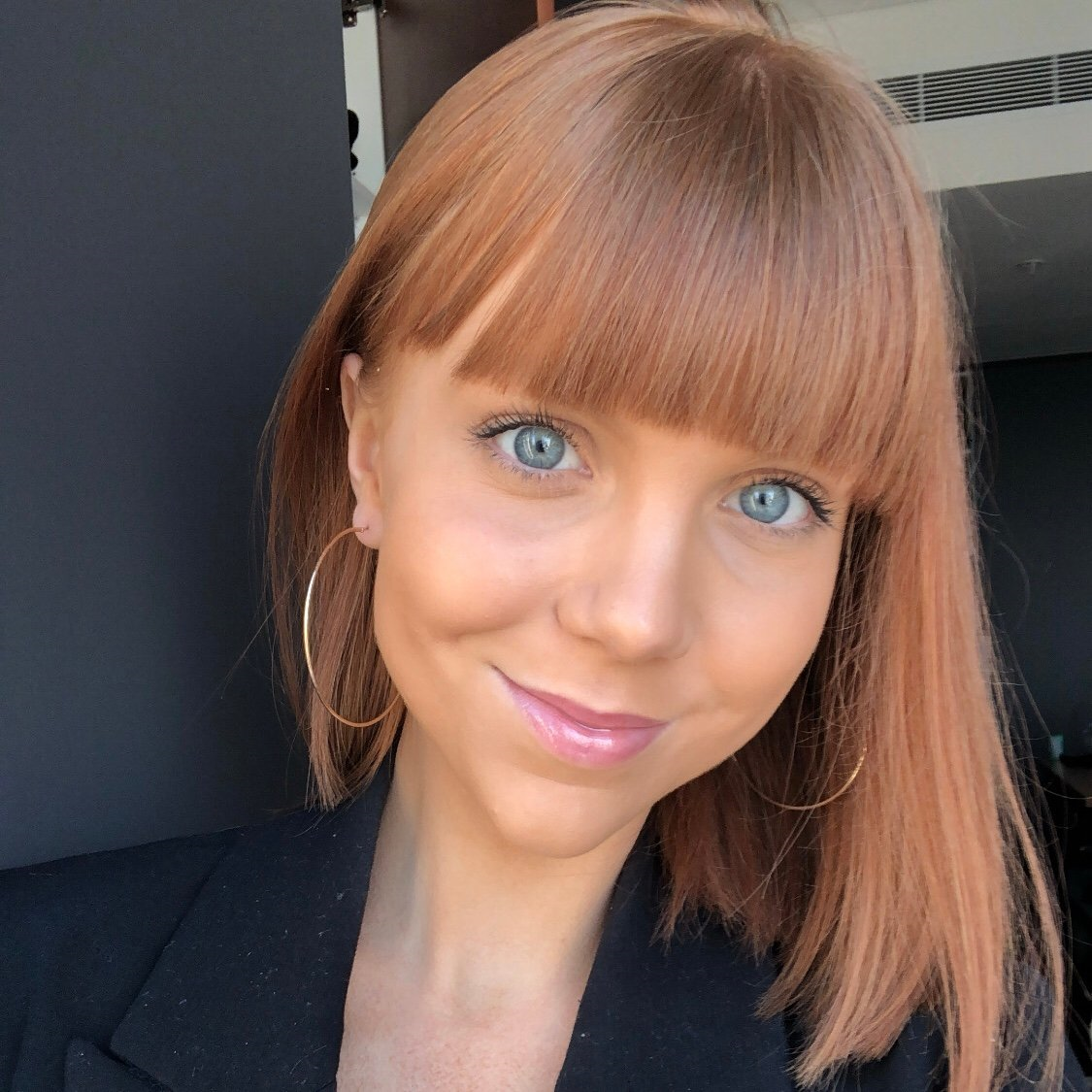

Powerhouse's annual Regional Stakeholder Forum is set to showcase Aboriginal objects with complex histories this month.
Led by Powerhouse's Head of Collections, First Nations, Nathan Mudyi Sentance, attendees will be guided through the considerations the museum's First Nations team make when labelling and interpreting complex objects from the collection, exploring how cultural perspectives shape our interpretation of historic objects and how these labels change with social and cultural developments over time.
Acting as an opportunity for staff and volunteers from regional and Western Sydney museums to share stories and be inspired by current topics relevant to the regional collecting sector, The Regional Stakeholder Forum is an engaging and educational event for all who attend.
This year's event provides participants with the opportunity to attend in person at Powerhouse Castle Hill or online, with the forum highlighting ways in which regional and Western Sydney museums build community connections and drive cultural tourism.
An on-site forum ticket includes the full day's schedule and an elective topic for the afternoon breakout session, with an online broadcast about Aboriginal object interpretation to follow.
Style Up spoke with proud Wiradjuri man and Powerhouse's Head of Collections, First Nations, Nathan mudyi Sentance about Aboriginal object interpretation, Powerhouse's approach to labelling First Nations objects and the importance of sharing with regional museums across the state.
"While the Powerhouse has a lot of staff that are incredible at caring for cultural heritage in a physical way, in a Western preservation way, my role is to ensure the care of cultural heritage in cultural, relational, spiritual way and trying our best to ensure Indigenous peoples rights to their cultural heritage are respected and are centred in how we care for cultural heritage," Sentance told Style Up.
"For example, from a Western preservation perspective, touching of cultural belongings is prohibited but for some Indigenous communities touching, dancing with, singing to is part of reconnection and the spiritual preservation of a cultural belonging.
"We are also trying to do more outreach so Indigenous Elders and community members know what we hold in the collection so they can engage with it more.
"And lastly, the First Nations Directorate is working to build the First Nations Collections. They're a lot of histories that the Powerhouse tells in the space of applied arts and sciences but a lot of absence of Indigenous voices in these stories historically, which is something we are working to redress in collaboration with different Indigenous community members."
Sentance said an object's evolving meaning and description is considered during its labelling, as well as social and cultural developments over time.
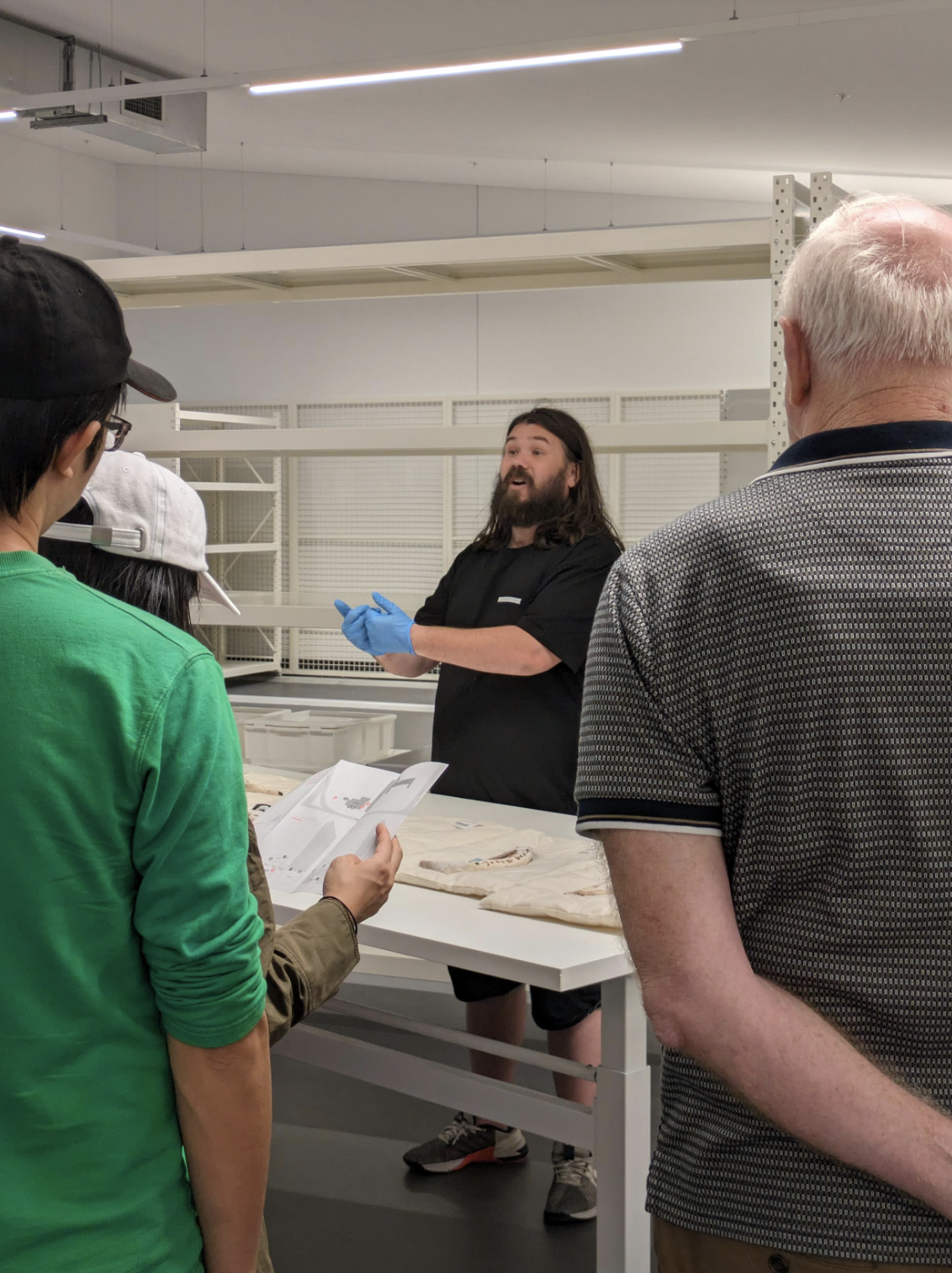
"I think there are always considerations of whose story are we telling, whose voices are potentially missing, who does this centre or celebrate or demonise, (and) are we the best to tell this story?" he said.
"I guess some simple examples are previously with labels written by predominantly non-Indigenous organisations and museums, Aboriginal people were written in the past tense not acknowledging that we are still here."
"Another thing I would see a lot of was even with Indigenous cultural belongings or artworks was a centring of the person collected it, often a non-Indigenous person over who actually made it.
"Something we have changed and we ensure that we work with community to make sure their voice is centred."
He said labelling is more culturally sensitive than during previous times.
"Additionally, many times with cultural belongings collected by non-Indigenous people in the early 20th century, they often didn't record the person who made it. We used to attribute them as 'maker unknown,'" Sentance said.
"We now attribute them as 'ancestor not yet recorded' which we believe puts the emphasis back on us for not recording this information in the first place as well as uses Ancestor to honour the living connection cultural belongings have to their community and the descendants of those who made them.
"We also added 'not yet' as form of commitment by the Powerhouse to do outreach to find out who made them.
"Lastly, with a lot of early settler cultural heritage, they often lack nuance, saying things like the first doctor in Mudgee, discounting medical knowledges that existed on the lands thousands of years before their arrival."
Set to be an engaging and informative forum, Sentance said that attendees can expect very interesting discussions and sharing from across NSW.
"Regional museums have so much capacity for truth-telling and dialogue," he said.
The Regional Stakeholder Forum is held in partnership with Museums & Galleries of NSW and Regional Arts NSW.
Participants can attend in person at Powerhouse Castle Hill on Friday 22 November or online.
For more fashion, beauty and lifestyle news subscribe for free to the Style Up newsletter.