






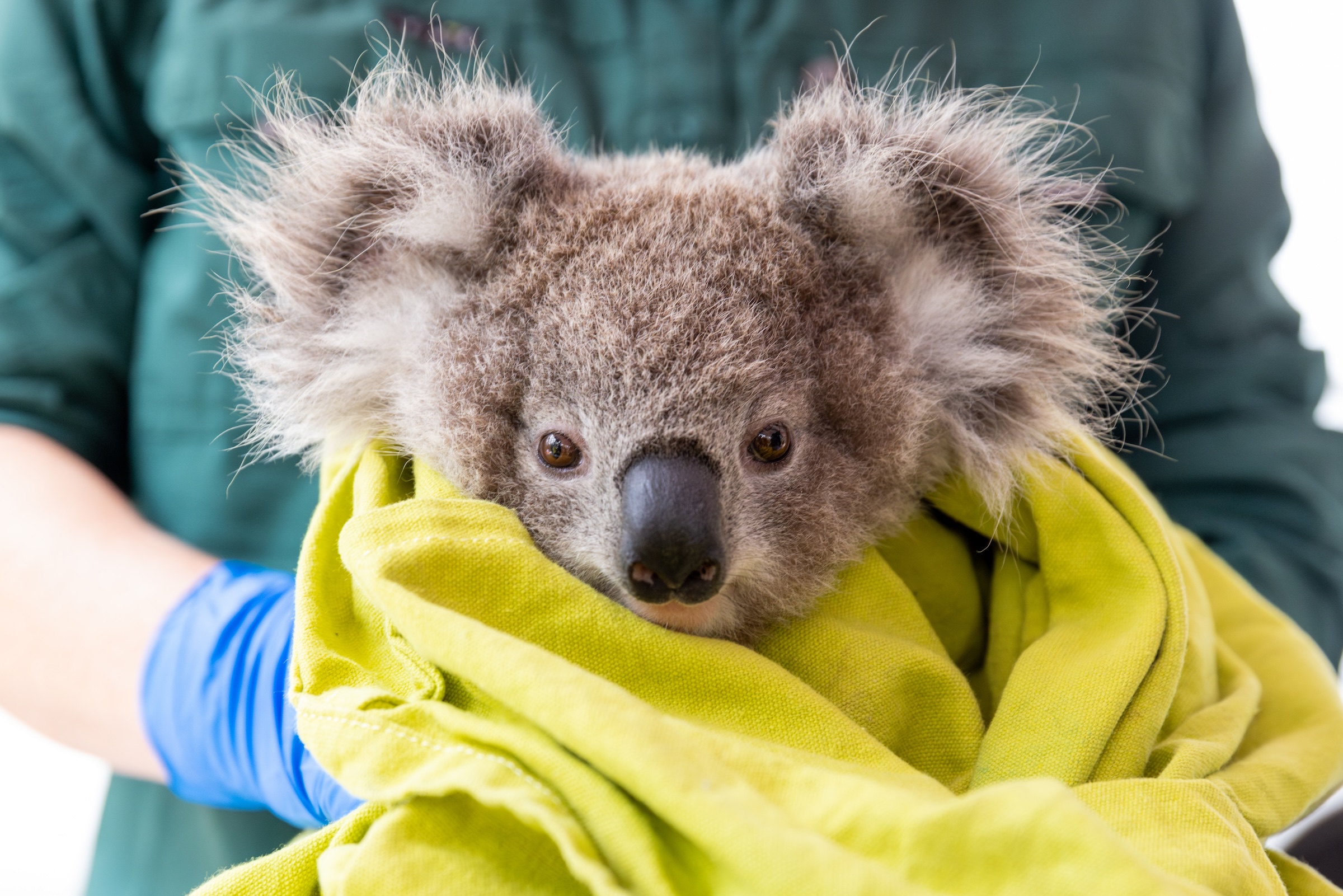
On the far south coast of New South Wales, Gadhu Bagan — the Southern-Yuin Firesticks team — is celebrating the presence of guraban / koala across multiple locations in Wadbilliga National Park following on-Country survey and monitoring work undertaken in partnership with the NSW Department of Climate Change, Energy, the Environment and Water.
The work forms part of the Southern-Yuin Koala Project, led on-Country by cultural fire practitioners Koorin Campbell and Durramah Parsons-Campbell of Gadhu Bagan, whose care for Country is reshaping how koala conservation is understood and delivered across the Murrah-Biamanga-Kooraban-Gulaga and broader Wadbilliga landscape.
The acoustic monitoring survey represents the most comprehensive koala survey ever undertaken in Wadbilliga National Park, creating new insight into a population which has long been difficult to detect across this rugged and remote landscape.
Survey design and site selection were led by Gadhu Bagan, drawing on local cultural knowledge of Country, fire behaviour, ecology and species movement alongside contemporary monitoring tools.
Koala detections were confirmed across several locations, including Green Hills Fire Trail, Jillicambra Fire Trail, the western end of Wadbilliga Road and Razorback Fire Trail.
An additional detection in Wandella State Forest near Kooraban aligns with known activity across the broader landscape.
Historically, koala records in Wadbilliga have been scarce, with most detections previously concentrated along the park's western fringe.
The new results confirm Guraban are still present in the area, which is an encouraging sign following the significant impacts of the 2019-20 bushfires.
For Firesticks and Gadhu Bagan, the results are a powerful sign that caring for Country supports the persistence of culturally significant species.
At the heart of this work is the return of cultural fire back to the landscape.
Through carefully planned cultural burns led by Mr Campbell and Mr Parsons-Campbell , the team aims to restore forest structure, encourage the regeneration of key feed trees and reduce the risk of high-intensity bushfires across koala habitat.
"Leading this work has been really special to us - being able to survey koalas on our Country in the Wadbilliga National Park, after personally seeing how much Country had been affected by the Black Summer wildfires," Mr Parsons-Campbell said.
"It's amazing to know they are still surviving out there, hopefully we can lead more projects in the future to protect the remaining pockets of bush that didn't get destroyed," he said."
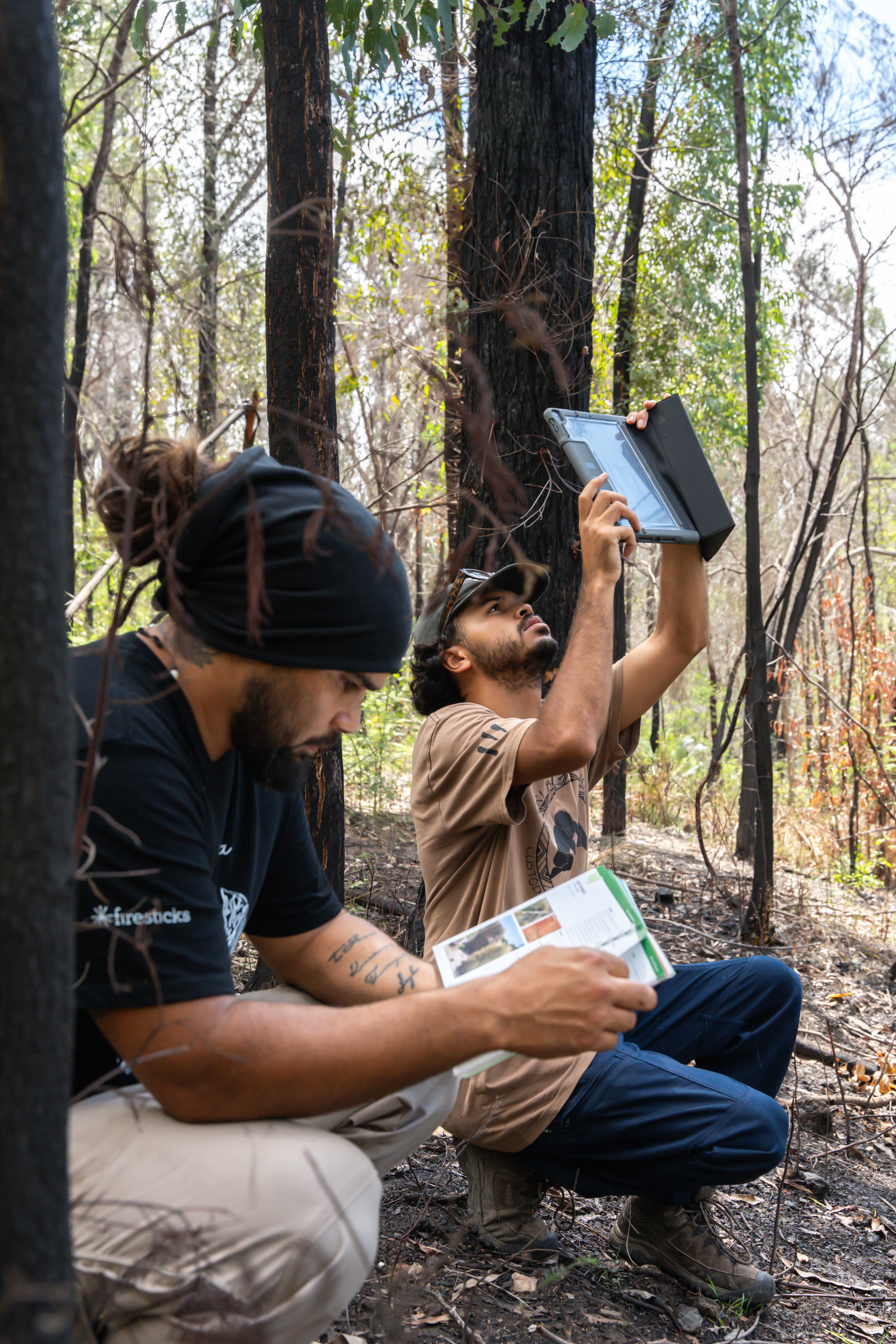
While call rates recorded through song meter acoustic monitoring were low, suggesting a low-density population, the findings are significant.
Firesticks say they confirm the continued presence of koalas in a landscape where they were previously thought to be rare and reinforce the need for ongoing, culturally informed monitoring to better understand population distribution and habitat use.
Importantly, none of the sites where koalas were detected were impacted by the Brassknocker fire in December, providing reassurance that key habitat areas remain intact and continue to support Guraban.
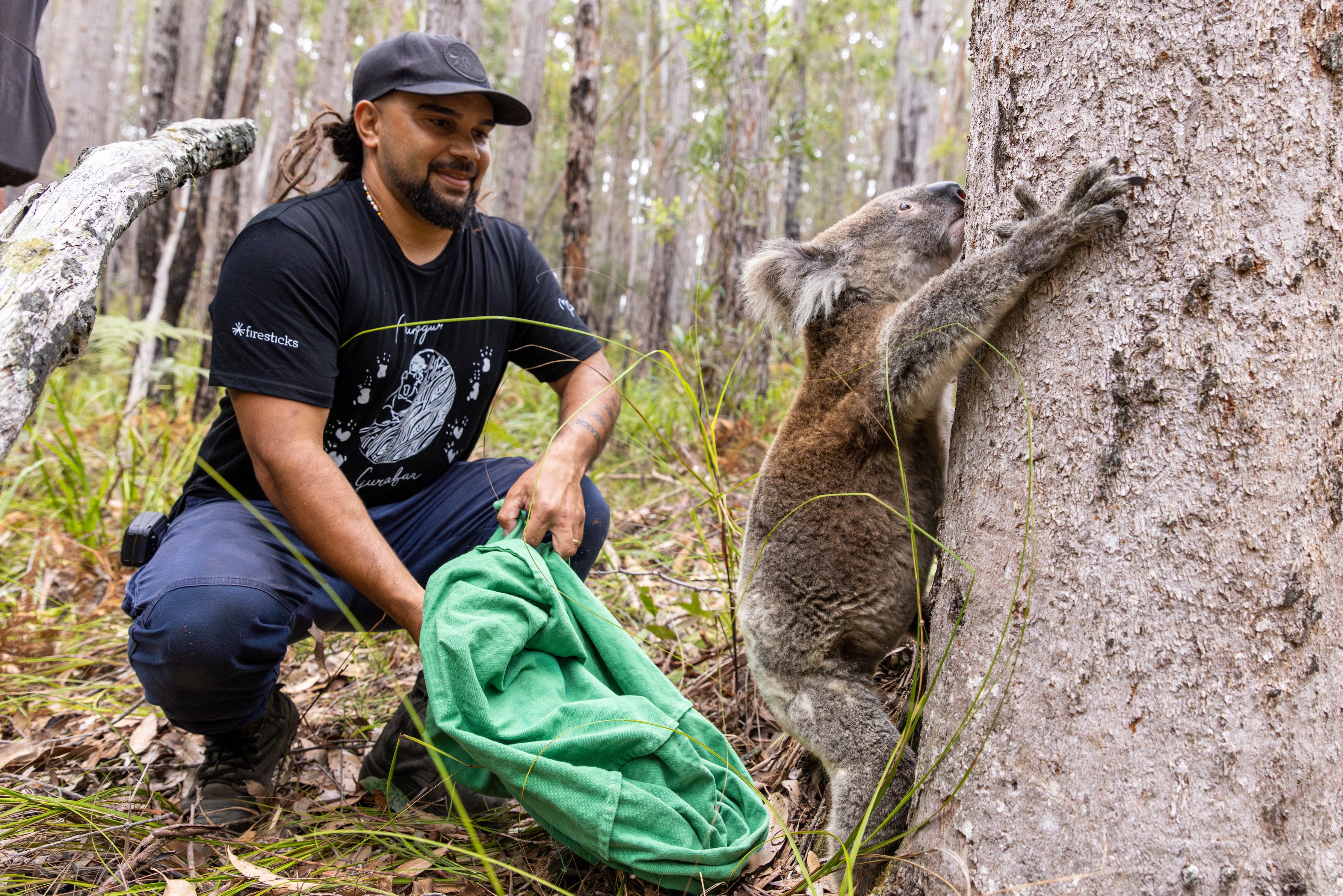
Through the cultural burning work being planned by Gadhu Bagan and supported by Firesticks, there is a strong aspiration to restore Country in ways which supports biodiversity, Country's health, identity and reconnection of cultural responsibility.
The findings from the survey will guide future on-Country work, with plans underway to expand monitoring efforts and continue caring for Country through cultural fire and Indigenous land management practices which support koalas and the ecosystems they depend on.