






'65,000 Years: A Short History of Australian Art', an exhibition celebrating the brilliance and beauty of Aboriginal and Torres Strait Islander art while confronting the dark heart of Australia's colonial history, is set to open at Melbourne's Potter Museum of Art on Friday to mark National Reconciliation Week.
Curated by associate provost and distinguished professor Marcia Langton AO, senior curator Judith Ryan AM, and associate curator Shanysa McConville - in consultation with Aboriginal and Torres Strait Islander artists and custodians of art traditions - the exhibition explores the recognition of Indigenous art and its rise to prominence globally.
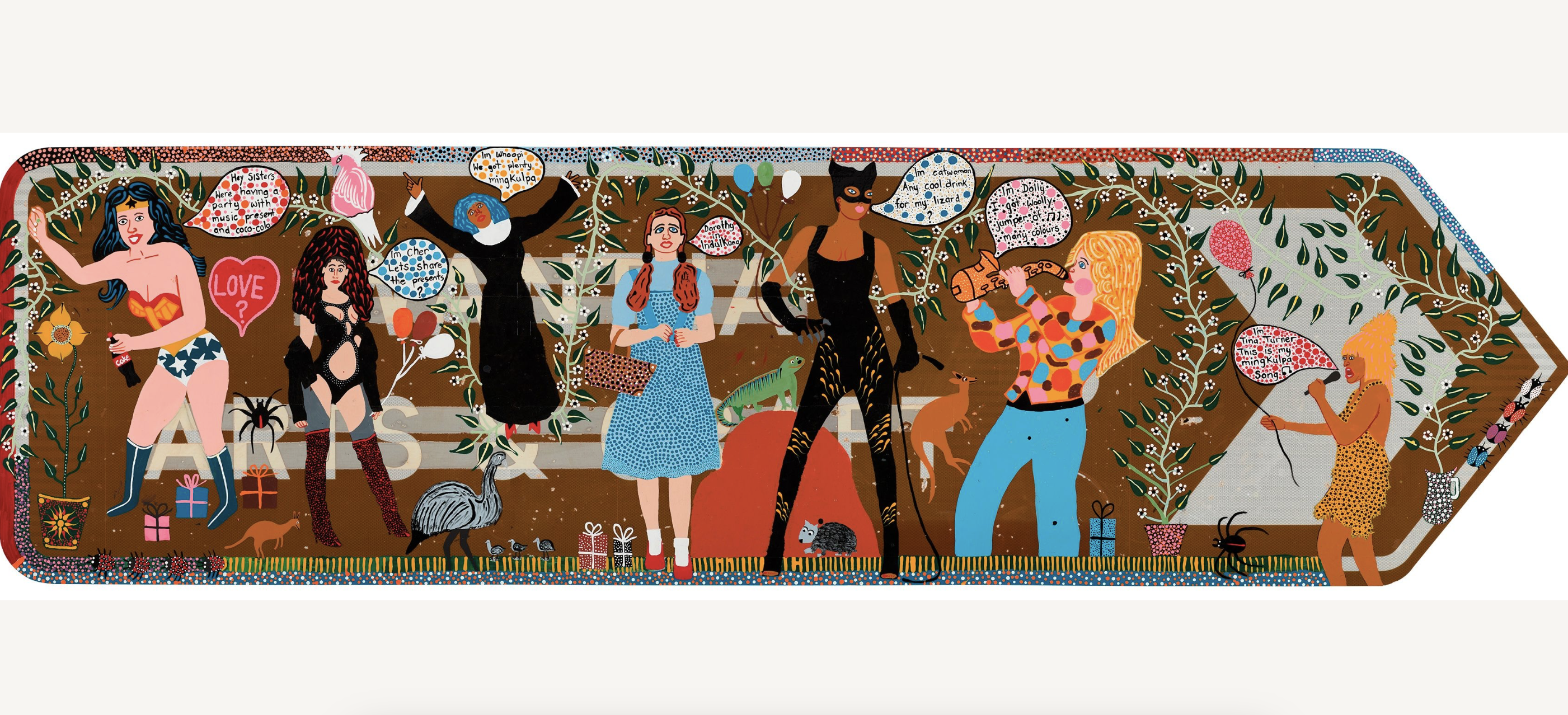
The enduring significance of Indigenous cultural and design traditions, knowledge, and agency is revealed in the engaging curation of more than 400 works, including rarely seen Indigenous artworks and cultural objects.
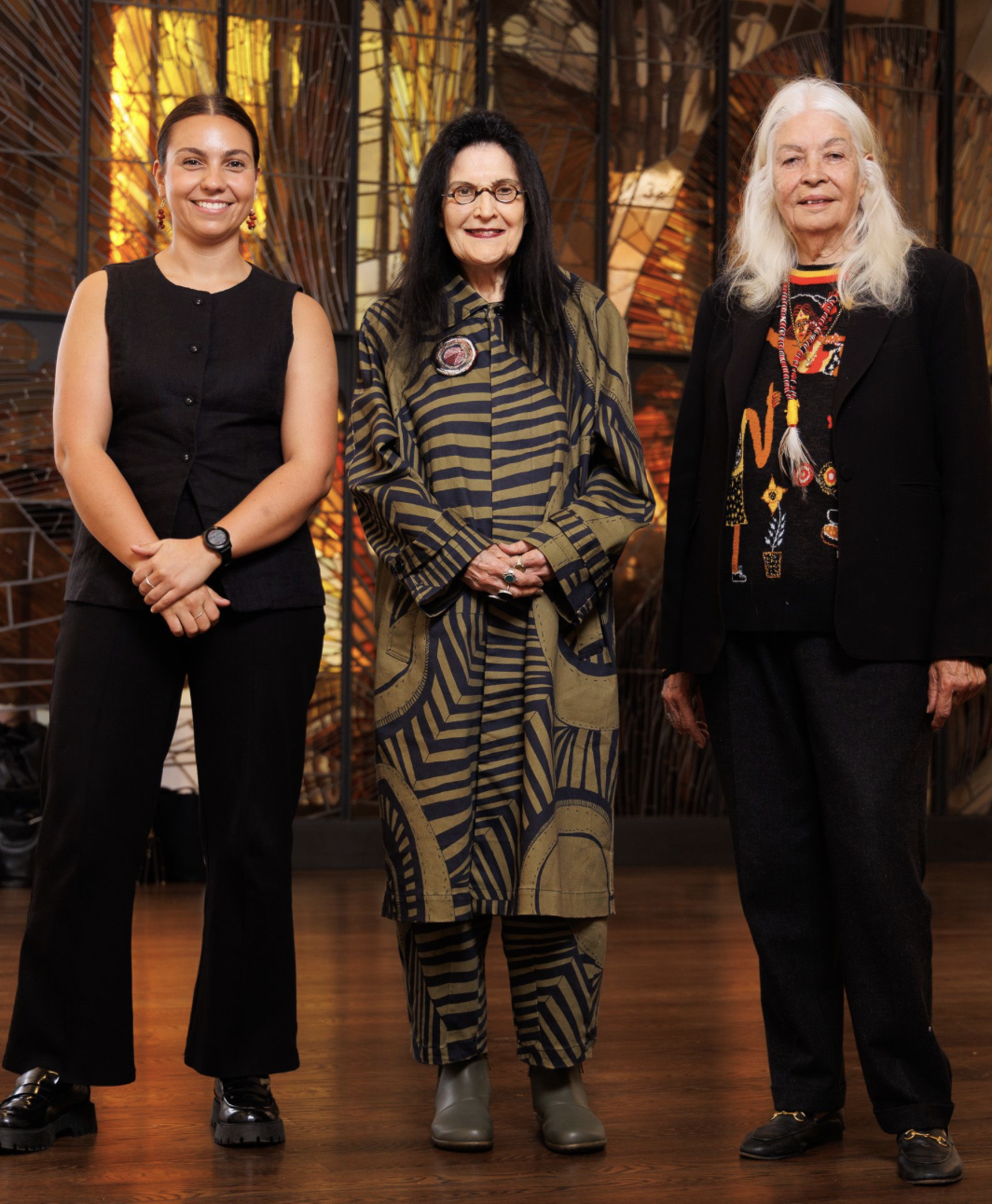
'65,000 Years: A Short History of Australian Art' also includes rarely seen works of art and cultural objects from the University of Melbourne's collections alongside 193 important loans from 77 public and private lenders.
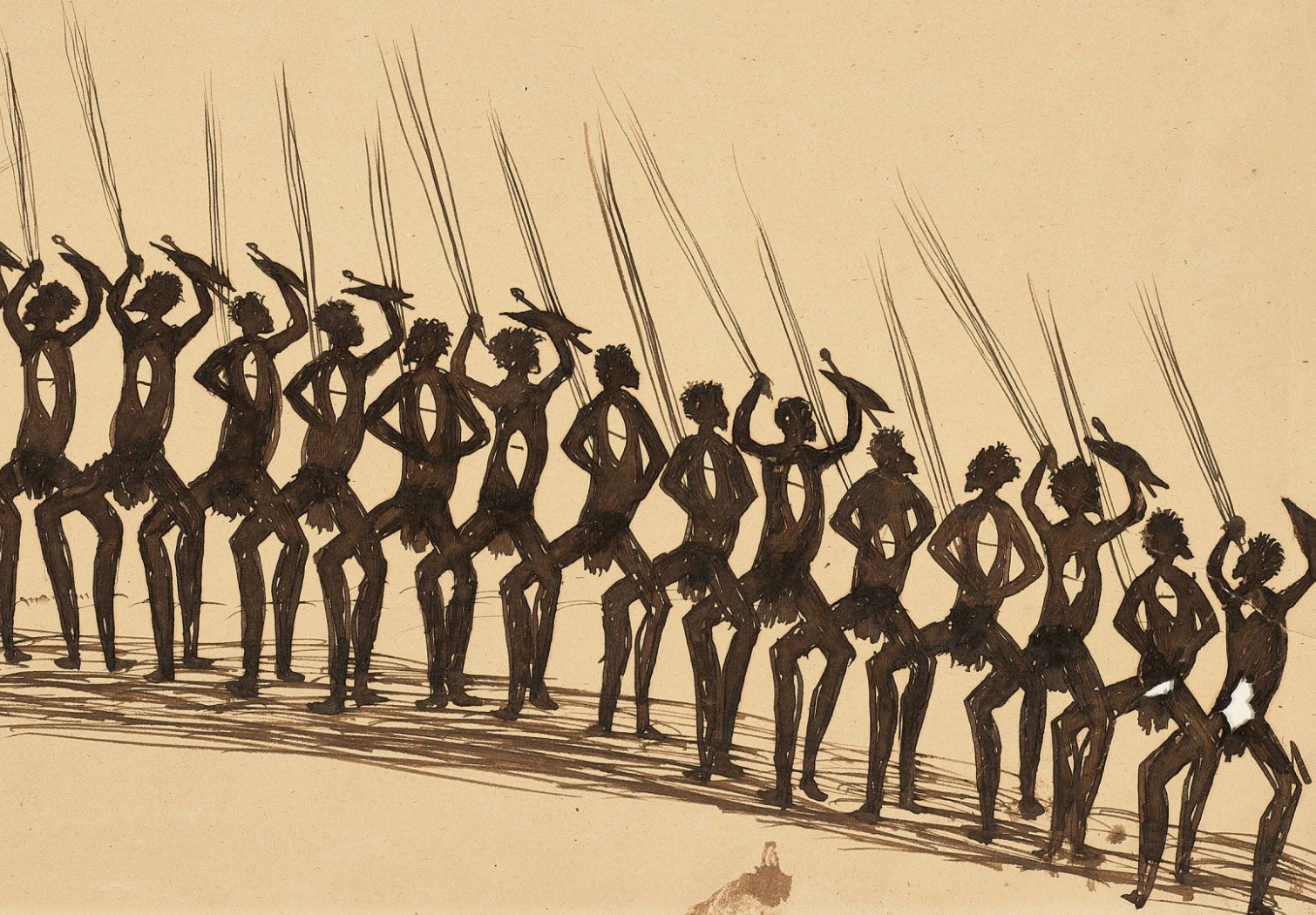
The exhibition features works by groundbreaking artists including William Barak, Lin Onus, Yvonne Koolmatrie, Albert Namatjira, Johnny Warangkula Tjupurrula, Emily Kam Kngwarray, Trevor Nickolls, Destiny Deacon, Yhonnie Scarce, Rover Thomas, Noŋgirrŋa Marawili, Woŋgu Munuŋgurr, Minimini Numalkiyiya Mamarika, Ricky Maynard and Julie Gough.
"The ironic title of this exhibition refers to the belated and reluctant acceptance of Aboriginal and Torres Strait Islander art into the fine art canon by Australian curators, collectors, art critics and historians in the last quarter of the 20th century," Professor Marcia Langton said.
"65,000 Years: A Short History of Australian Art celebrates Indigenous art as it is increasingly recognised in galleries and collections around the world – as the greatest single revolution in Australian art."
University of Melbourne vice-chancellor, Professor Emma Johnston AO, said the exhibition is an important exercise in truth-telling for the University.
"As this exhibition, 65,000 Years: A Short History of Australian Art will show, since the nineteenth century the University has amassed anextraordinary collection of Aboriginal and Torres Strait Islander art," Professor Johnston said.
"While many of the artworks shine with the cultural richness of the first peoples, there are also works that engage us in truth-telling and profoundly challenge the legacy of the University's collections and academic practices.
"Alongside Vol 1 of Dhoombak Goobgoowana: A History of Indigenous Australia, this exhibition is an important exercise in truth-telling for the University, including histories of scientific racism, and the collecting of ancestral remains.
"It will provide a vital platform for Indigenous storytelling and encourage dialogue about the importance of Indigenous culture, history and art for the nation as well as the University community."
Curators Judith Ryan and Shanysa McConville said the exhibition showcases an extraordinary range of artists and their pieces.
"This exhibition bears testament to 65,000 years of knowledge. It encompasses an extraordinary range of artists and works of art that serve as a conceptual map, illustrating our contested shared history and introducing us to some of the Indigenous architects of change," they said.
"By revealing key moments and turning points in the history of Indigenous art in Australia, we explore diverse art traditions across communities and regions, art forms that emerged post-colonisation, and artistic resistance and innovation."
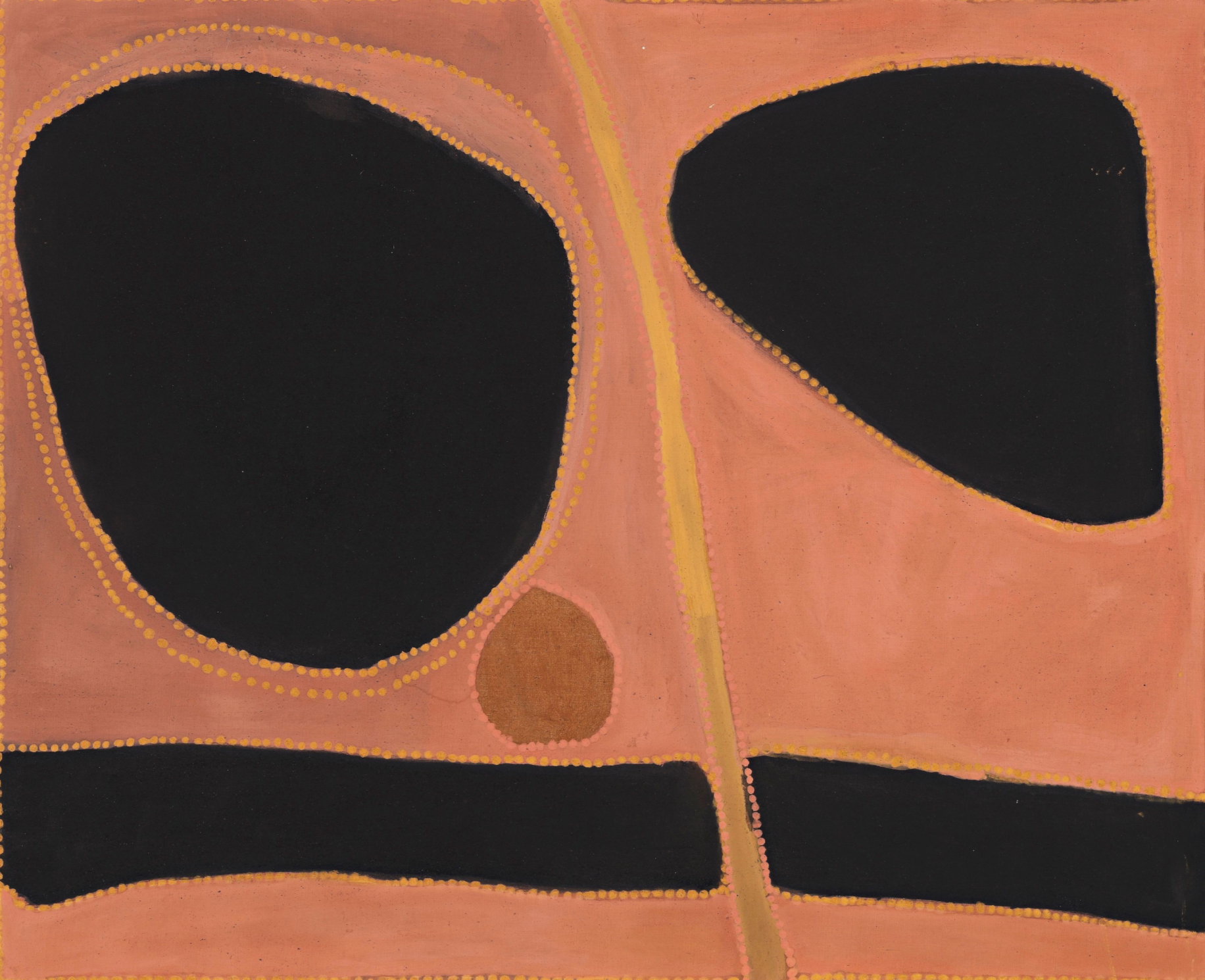
Rover Thomas (Kukatja/ Wangkajunga, c. 1926–1998) Djugamerri and Bolgumerri 1991, earth pigments and gum on canvas, 89.5 × 110 cm. Timothy Klingender Private Collection. (Image: supplied)
Potter Museum of Art director Charlotte Day said this exhibition plays a significant role in highlighting and telling the story of Australia's history.
"The Potter is uniquely positioned to realise such an exhibition at an important time in Australia's history," Ms Day said.
"Since 1853, the University has collected works of art, cultural objects and records that form a profoundly important archive, and for the first time these Indigenous collections will be exhibited together and interpreted by authoritative Indigenous scholars and other leading experts."
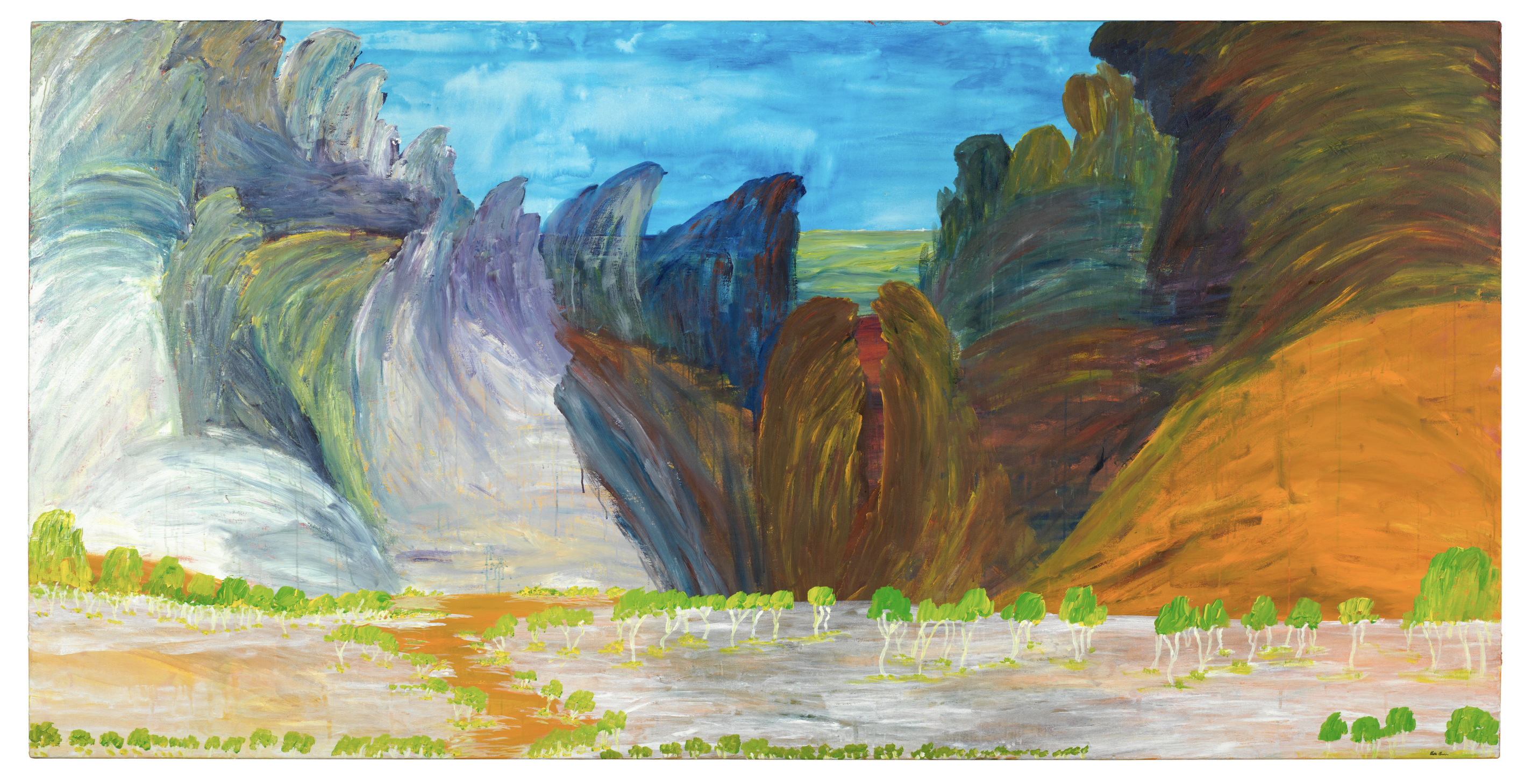
Billy Benn Perrurle (Alyawarr, 1943–2012), Artetyerre 2008, synthetic polymer paint on canvas, 150 × 300 cm, National Gallery of Australia, Kamberri / Canberra. (Image: supplied)
The exhibition is made possible by the generosity of principal supporters Peter McMullin AM and Ruth McMullin, leadership supporters Peter Jopling AM KC, the Erica Foundation, Creative Australia and Creative Victoria,
Running alongside the exhibition is a significant new educational initiative which will create resources for students and teachers to build a deeper understanding of Indigenous art, history and culture.
The initiative was developed in partnership with the University of Melbourne's Ngarrngga Project which builds innovative curriculum resources in collaboration with
Ngarrngga is led by Faculty of Education Director and Associate Dean (Indigenous), Professor Melitta Hogarth, in conjunction with Distinguished Professor Marcia Langton AO, Indigenous Knowledge Institute director, Professor Aaron Corn, and Faculty of Education Dean, Professor Jim Watterston,
The University of Melbourne with Thames & Hudson has also released a comprehensive publication titled 65,000 Years: A Short History of Australian Art.
Featuring 25 leading thinkers across generations and disciplines, the publication examines the history of Indigenous art across time and space.
It is edited by Distinguished Professor Marcia Langton and Senior Curator Judith Ryan.
For more fashion, culture, arts and lifestyle news subscribe for free to the Style Up newsletter.