






Warwick Thornton has premiered his new outback western Wolfram at the Berlin Film Festival, marking another step in First Nations storytellers reshaping the narrative through cinema.
On the red carpet, Thornton said his new film is part of a wider shift in First Nations filmmakers reclaiming the screen.
"We've spent so much of our lives having our story being written by the coloniser," he said, Reuters reports.
"Now we have access to cinema and to song and dance ... and because of that we can actually tell our stories."
Set in Central Australia in the 1930s, the film follows two Aboriginal children — Max (Hazel Jackson) and Kid (Eli Hart) — forced into labour at a mining camp who seize a chance to run.
Their flight across the desert becomes a desperate chase, as two violent outlaws, Casey (Erroll Shand) and Frank (Joe Bird), track them on horseback through an outback landscape where racism and lawlessness go hand in hand.
Wolfram — which is in the mix for the film festival's top honour, the Golden Bear — is grounded in family history and the oral knowledge carried through generations.
Developed alongside David Tranter and Steven McGregor, the screenplay is based on stories from Thornton's grandparents as well as Tranter's family, with Tranter drawing on oral history passed down by his mother and grandmothers.
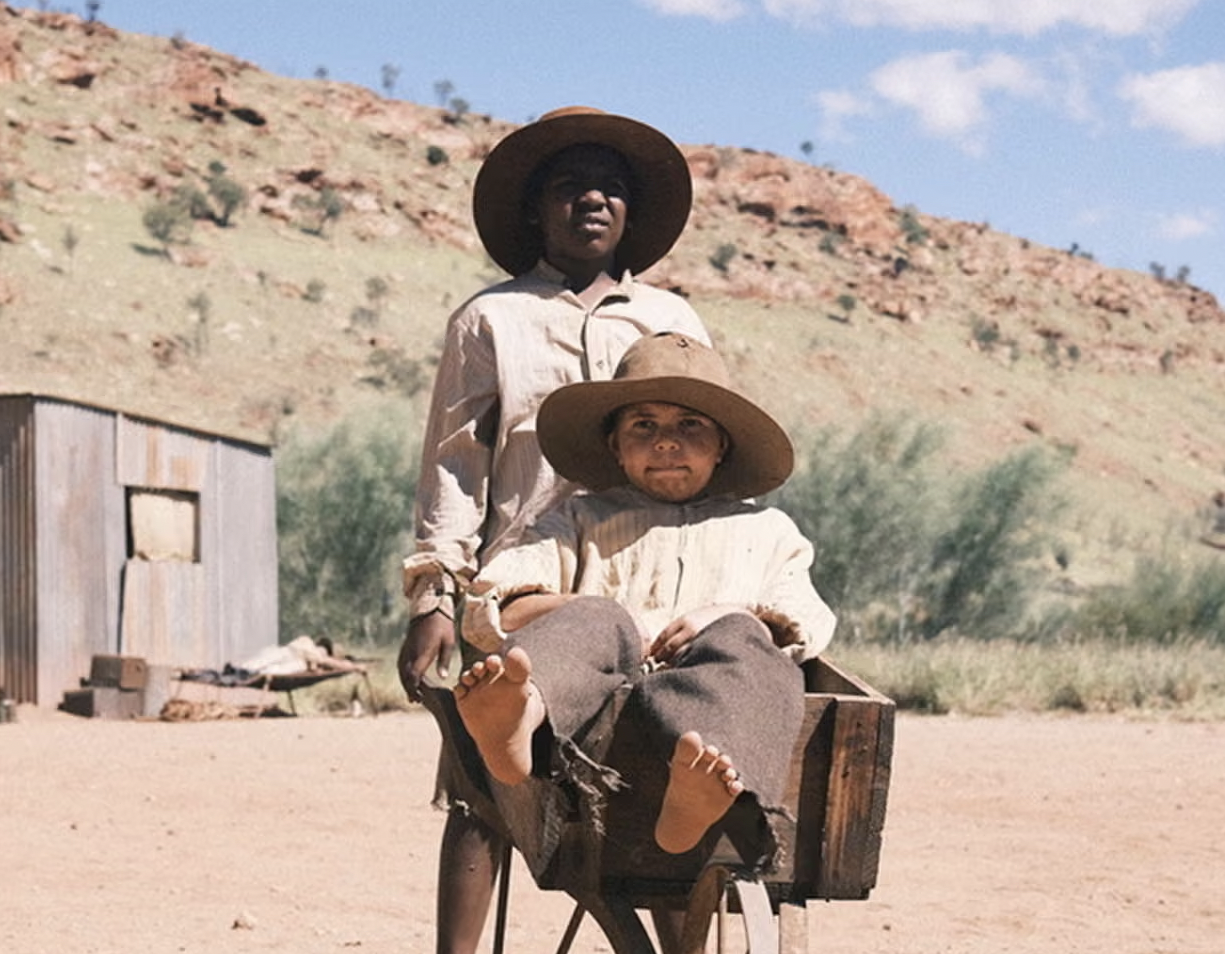
Thornton said the film is grounded in the way First Nations communities carry history through story.
"The Indigenous people, we have an oral history, we don't have a written history, so memory is really important to us," he said.
In an interview with The Hollywood Reporter, Thornton explained why he returned to the world he explored in his previous film, Sweet Country.
"I'm not a big sequels kind of person - I've never done one before - but with this, it was two things," he said.
"I'm obviously from Alice Springs, and the story in Sweet Country is directly connected to my people and the tribe that I come from ... the mistreatment of my people, and how beautiful and awesome we are.
"It's awesome to tell these stories, because these stories have come from the conqueror, because he had the pen, so he wrote the history.
"We never had a voice in telling what actually happened to us."
Thornton said he is still leaning into the western genre as his medium of choice.
"I've always loved the western genre, and I don't know if I've perfected it, but I just love making it," he said.