




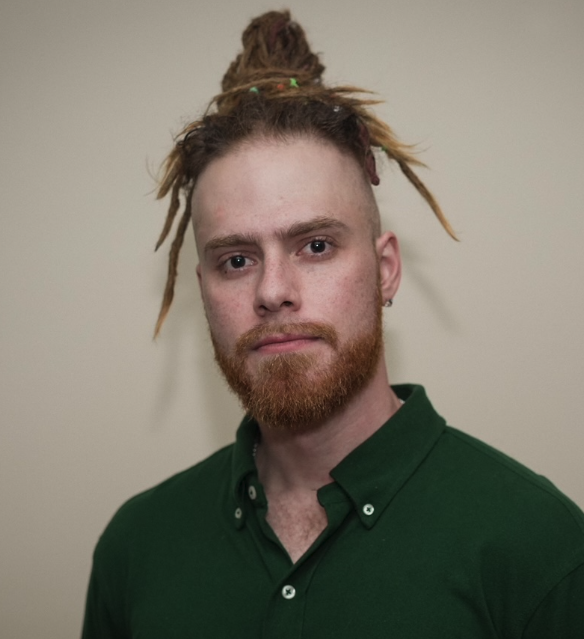

The 2025 Solid Screen Awards have been announced as part of cyberTribe's 25th anniversary year.
Five Indigenous women have been honoured this year, reflecting cyberTribe's long-standing focus on Indigenous women as cultural leaders in storytelling.
Established in 2014 by Yugambeh woman, Jenny Fraser, the awards recognise Indigenous women for their contributions to screen culture across film, television and digital media.
The award recipients include Shareena Clanton (Wongatha/Yamatji, Noongar/Gitja and Etowah Cherokee/Blackfoot), Gail Maurice (Metis Village, Seskatchewan), Kath Akuhata-Brown (Ngati Porou), Paula Fuga (Hawaii) Brenda Matthews (Wiradjuri).
Ms Clanton received the Solid Contribution to Screen Culture award.
She is best known for her role in the Foxtel and US Netflix series Wentworth, in which she featured for five years.
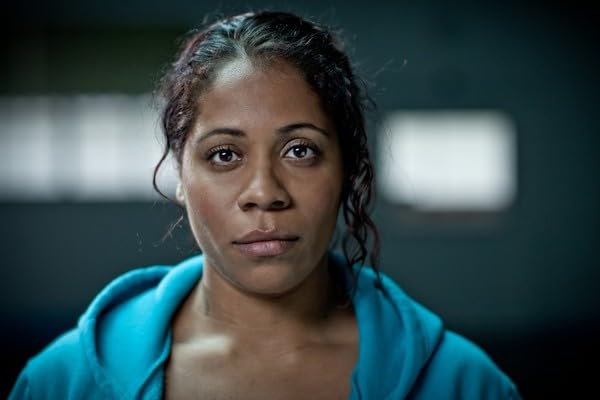
The role marked the first time an Indigenous actor held a lead capacity on the series.
Her career includes nominations for the Graham Kennedy Award for Most Outstanding New Talent at the 2014 Logie Awards and the Astra Award for Best New Talent.
Ms Clanton has also been a public advocate for Indigenous sovereignty and representation.
During an appearance on ABC's Q&A in 2018, she addressed Indigenous political inclusion.
"We have never ceded sovereignty" she said.
"When do Indigenous people get social, cultural and economic empowerment and voice in parliament?".
The other four participants have each received Solid Screen Storyteller Awards.
Ms Fuga is a Kanaka Maoli Native Hawaiian woman from Waimānalo, Hawaii and was recognised for her work on Kukini as co-writer, producer and executive producer, as well as acting in the film and contributing to the music score.
Kukini originated as a story developed by Ms Fuga to take into classrooms and encourage Native Hawaiian storytelling.
The film was shot in ʻŌlelo Hawaiʻi, the Native Hawaiian language.
Kukini was honoured at the first Waikīkī Film Awards in 2025 and received a Special Recognition Award from the Visual Communication Film Festival in Los Angeles.
Ms Fuga is also a musician and ukulele player trained under Master Instructor Roy Sakuma.
Ms Maurice is a Métis woman from Saskatchewan, Canada.
She works as a director, writer, producer and actor and uses her language, Michif, in her films.
Michif is spoken by fewer than 1,100 people worldwide, with her dialect used in only five northern Canadian communities.
Ms Maurice founded Assini Productions to tell stories led by Indigenous women.
Her work includes short films Smudge, Kihtwam misawac na-wapamitin and Assini, and her debut feature film Rosie.
Her second feature film Blood Lines premiered at the 2025 Toronto International Film Festival.
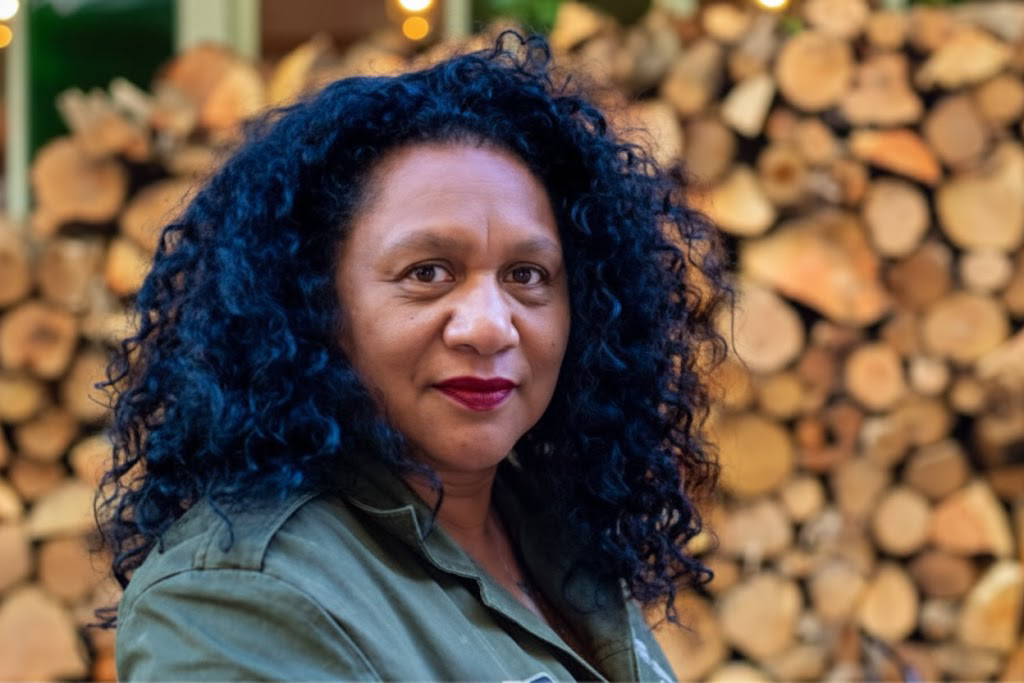
Ms Akuhata-Brown is a Māori wahine writer and filmmaker from the East Coast of Aotearoa New Zealand.
She has worked across writing, directing and producing since the mid-1990s.
Her feature film KŌKĀ is the first feature-length film to use the original dialect of Ngāti Porou.
In 2025, Koka won the NETPAC Award at the Hawai'i International Film Festival.
Ms Akuhata-Brown joined Whakaata Māori's commissioning team in 2022 and has previously held senior roles at the New Zealand Film Commission.
Ms Matthews is known for her work as an author, speaker and filmmaker, including The Last Daughter.
The documentary adaptation of The Last Daughter was released in Australian cinemas and on Netflix in 2023.
The film won Best Australian Film at the Gold Coast Film Festival Screen Industry Gala Awards.
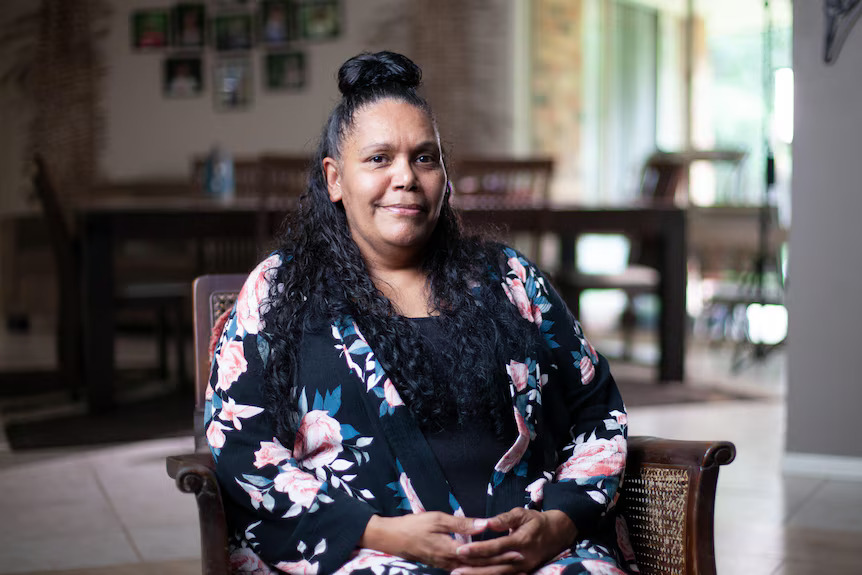
Ms Fraser said the awards honour Indigenous women cultural leaders and their lasting impact on screen culture.
"The Solid Screen Awards honour an unparalleled global network of Indigenous Women cultural leaders, and recognise their lasting impact on Silver Screen Culture and mobile storytelling, which has become essential to our historic quarter century Curatorial and matriarchal Impact," Ms Fraser said.
Ms Fraser owns and curates cyberTribe, an independent Indigenous arts and culture initiative founded around 2000.
CyberTribe was created to promote Indigenous media arts and provide a global platform for Aboriginal and international Indigenous artists and operates as a sovereign, non-government, self-funded initiative, delivering community screenings and online showcases.