






In a ground-breaking move for Australian agriculture, Indigenous knowledge is being shared and applied across Queensland as part of a new project called Indigenous Knowledge for Climate Resilience.
Indigenous cultural fire practitioners and Queensland farmers are working together to improve grazing landscapes using First Nations land management practices, including cultural burning - transforming the way food and agricultural systems work.
This collaboration led by national Indigenous network Firesticks, is supported by the Australian Government's $302.1 million Climate-Smart Agriculture Program, designed to boost the agriculture sector's sustainability, productivity, and competitiveness.
This multi-year collaboration is taking place on more than 20 grazing properties across multiple Queensland regions, including the Dry Tropics, Gulf Savannah, Beaudesert, and South Burnett.
Through workshops, mentoring and cultural burns, the project is demonstrating how Indigenous knowledge can restore soil health, improve water retention, and support biodiversity - creating a model for resilient and sustainable agricultural landscapes.
Alongside a network of partners including University of Queensland, Bunya Peoples Aboriginal Corporation, North Queensland Dry Tropics and dedicated Queensland graziers, Firesticks is demonstrating how farmers and Indigenous communities can work together to boost ecosystem health, enhance climate resilience and explore new avenues for agricultural profitability.
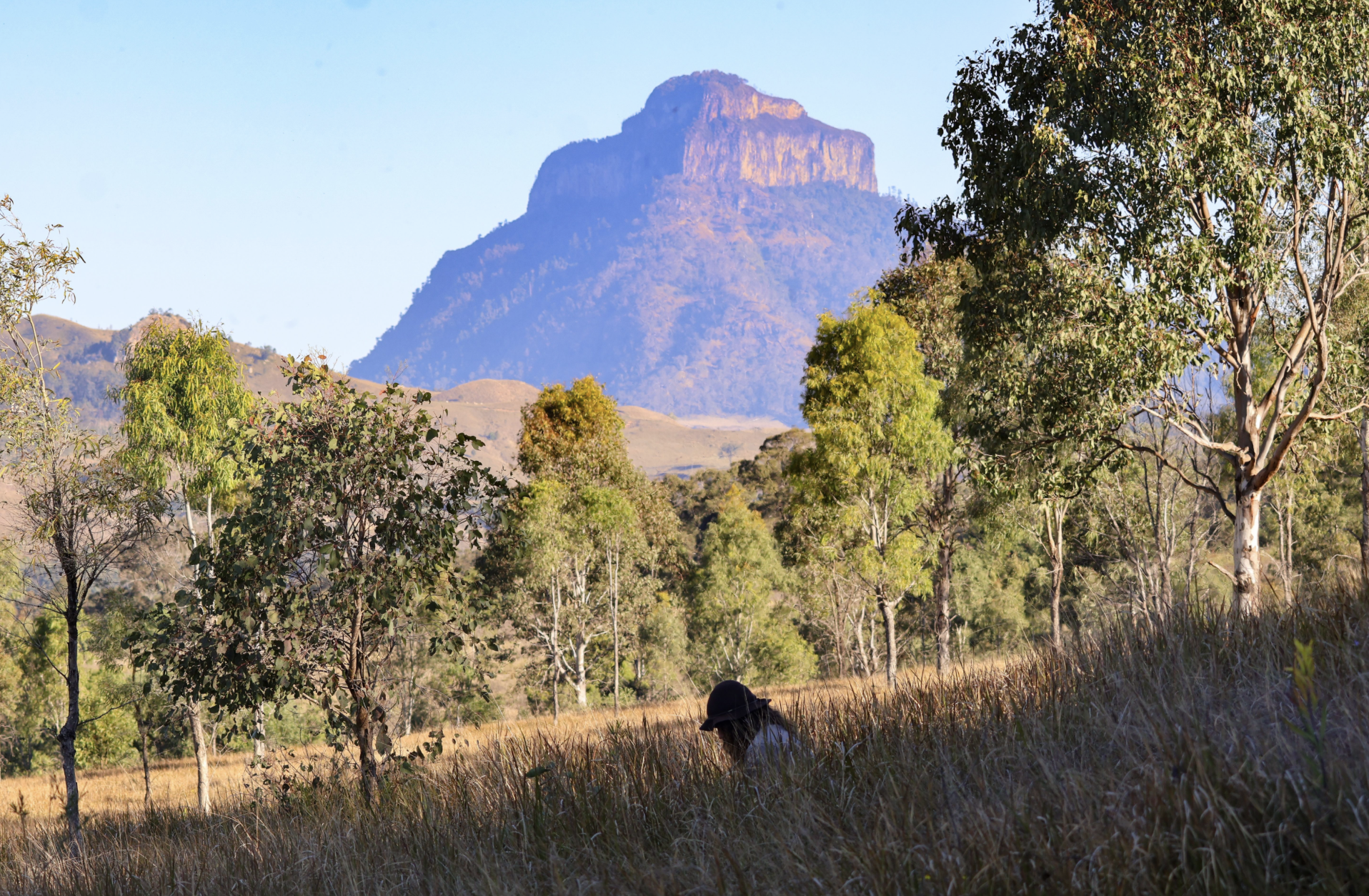
Trinity Georgetown, a Lama Lama man and Cultural Fire Project Officer at NQ Dry Tropics, said Indigenous Knowledge for Climate Resilience' is reconnecting communities with Ancestral Knowledge.
"Indigenous Knowledge for Climate Resilience' is reconnecting communities with Ancestral Knowledge, guiding the agricultural sector toward practices that work with natural systems, and demonstrating that caring for Country is key to Australia's climate and food future," he said.
"A project like this could really carry on forever, purely on the face that science is still playing catch up to traditional ecological knowledge. Scientists come out on Country with us and they are often confirming what we've already been told by our Elders.
"Ninety per cent of the NQ Dry Tropics region is leasehold farmland, so access for Traditional Owners is really low, a project like this gives us access to Country. Our Elders get to go out and teach their grandchildren on Country. It gives them hope. This project is a win-win for everyone."
The project is building future-proof approaches that regenerate land degraded by industrial farming and restore balance between production and Country.
"We're looking for ways to help heal, manage and improve this place, not only for the farming that we do...but also for the wildlife. If we were able to heal the land for the cost of a box of matches, I'm all in...This project gives me hope that there's a way to be better. To move forward - together," landholder on Wakka Wakka Country, Jill Sampson, said.
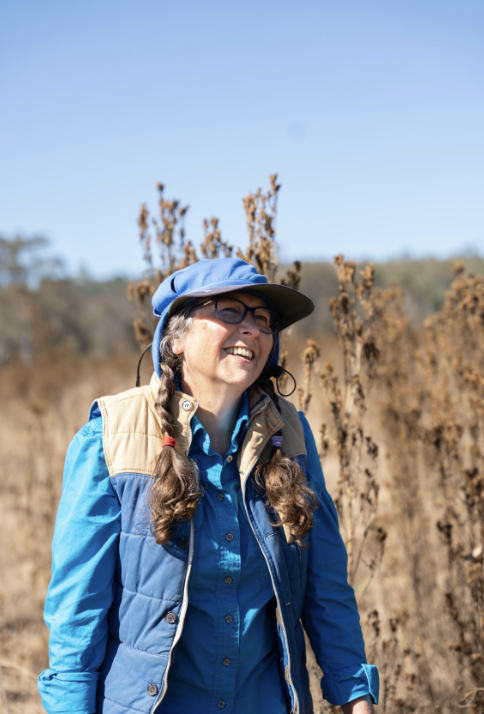
Tagalaka man and co-founder of Firesticks, Victor Steffensen, said the new project aims to be inclusive and involve all the stakeholders.
"This project aims to be inclusive and involve all the stakeholders," he said.
"We're here to benefit farmers. We're here to see non-Indigenous people benefit here regionally, as well as Indigenous. We're creating employment and opportunities and looking at ways that we can establish amazing visions and long-term targets into improving our country and our society socially and being more aligned with landscapes."
Firesticks is an Indigenous-led, not-for-profit organisation committed to revitalising and applying Cultural Knowledge Systems to heal Country and strengthen community wellbeing.
For more fashion, arts, culture and lifestyle news subscribe for free to the Style Up newsletter.