




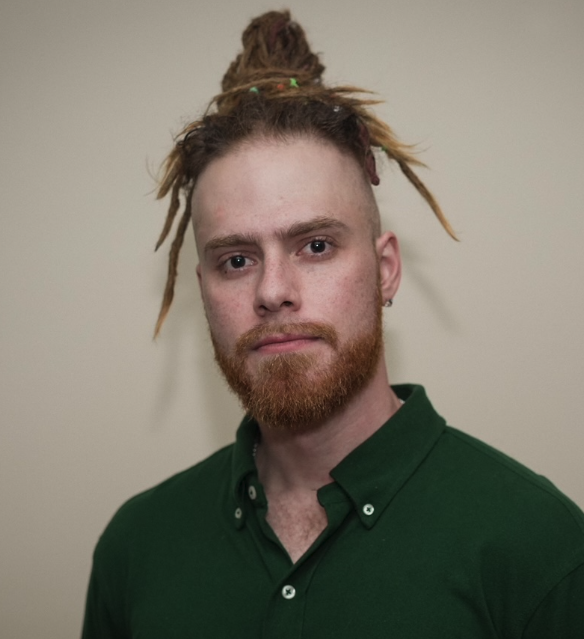

'Riders of the Buffalo Nations' is a long-form photographic and documentary project that centres on Indigenous youth living on reservations across South Dakota and Montana, documenting how culture, family and survival intersect in contemporary life.
The project follows young riders from nations including Oglala Lakota, Diné, Blackfeet and Northern Cheyenne, using rodeo as a lens to explore endurance, identity and continuity in communities shaped by generational trauma and resilience.
The work tracks how rodeo brings people together across nations, and how young riders move between cultural inheritance and the pressures of modern life.
The story is carried by families, elders, and community members who asked for a record that moved beyond the public narratives that often define reservation communities from the outside.
English photographer Doug Hancock, who lives in Amsterdam, is the non-Indigenous vessel behind the camera.
He described the project as something that became less about making a documentary and more about staying close to the people who let him in.
"The work is secondary," he said.
"You can't do the work without that level of mutual understanding... friendship comes first."
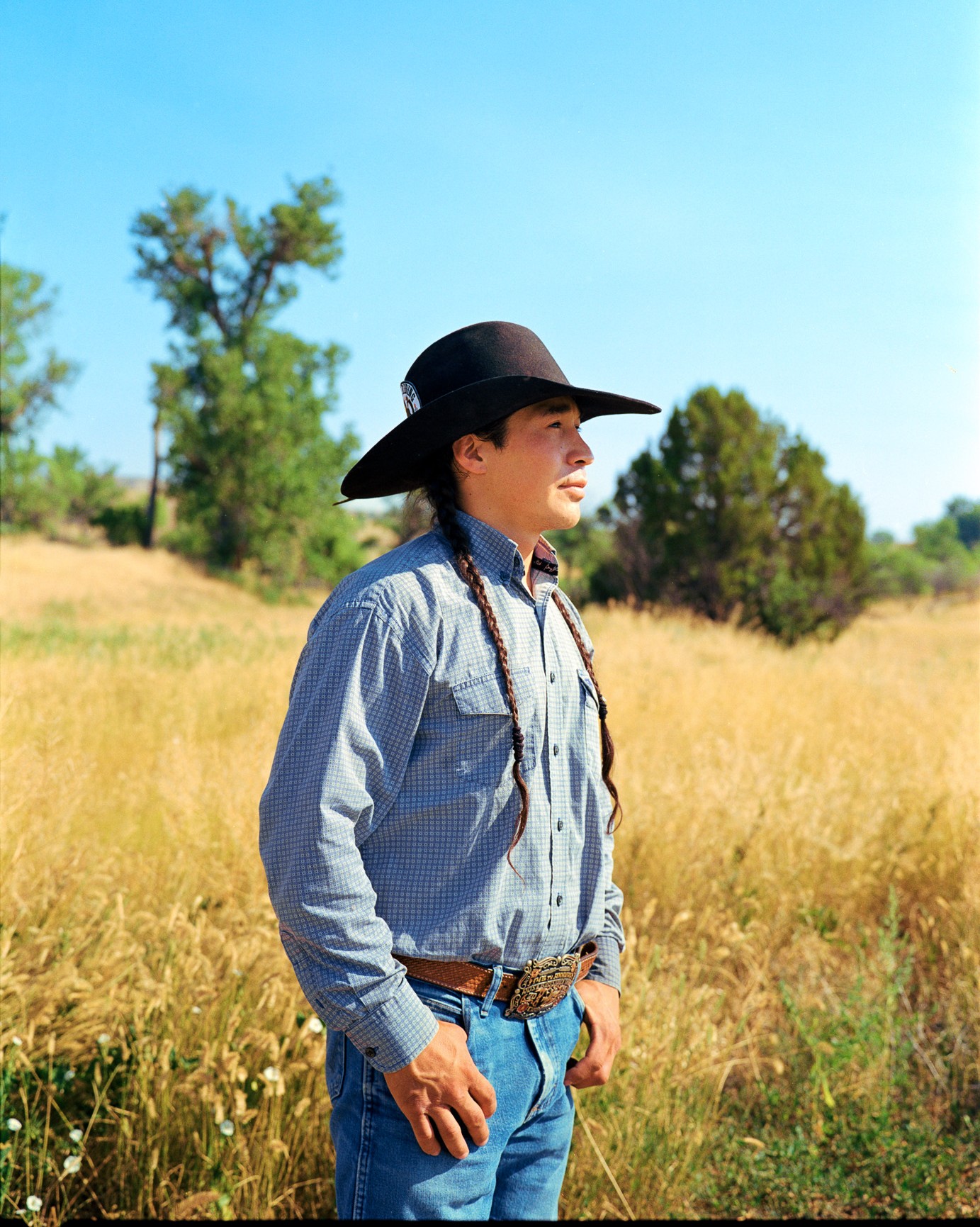
His connection to Indigenous communities developed through relationships formed around rodeo and film, then through an introduction that helped shape his responsibilities.
He detailed how he was at a film festival in Missoula when he met a Blackfeet man, Jonas Rides-At-The-Door, during a conversation outside a bar.
He later contacted Mr Rides At The Door, who introduced him to a Blackfeet elder, Allen MadPlume.
Mr Hancock described that relationship as formative, because it grounded the project in community context rather than his own assumptions.
The project then expanded across families and rodeo networks, including time spent with riders and relatives connected to the Diné Nation and communities at Pine Ridge.
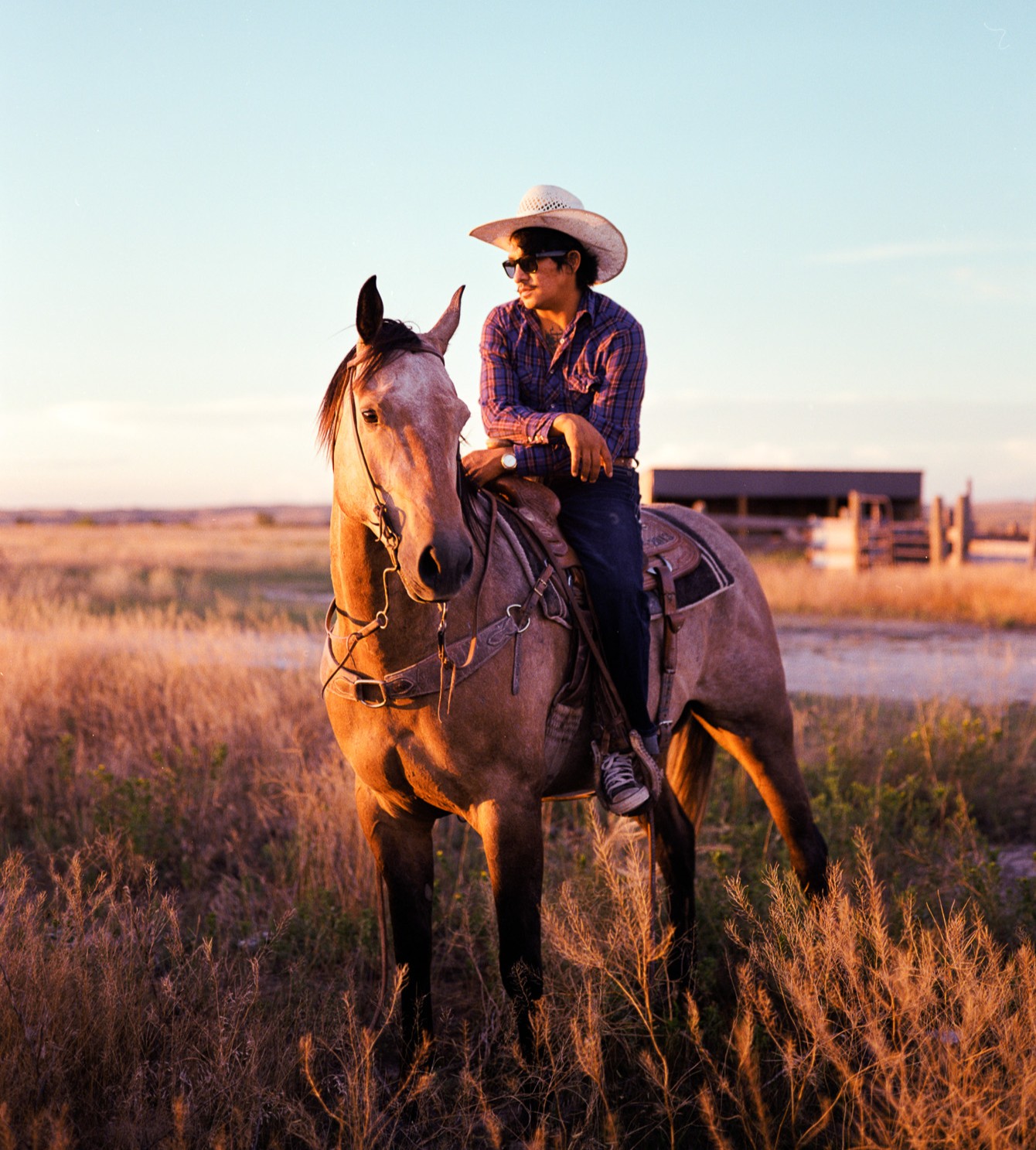
He framed rodeo as a shared meeting ground, where nations converge and young people are seen in motion, supported by family and community.
"Rodeo becomes a collective, a collective of the nations," he said.
Within that collective, he said rodeo reflected struggle without flattening people into crisis stories.
"It became a metaphor for their struggle," he said.
"But also for their hope and ambition."
He said families and elders were clear about what they wanted the work to do, particularly in response to the way places like Pine Ridge are often portrayed.
"Just tell everyone we're still here," he said.
"Paint the kids in a positive light, there's more to it than just drugs and alcohol and everything else," he said.
He described trust as something earned through everyday actions and restraint, rather than an exchange for access.
"So the, the process to get trust is basically the show, say show reverence being respectful," he said.
"Be there and offer to help," he said.
The approach relied on humility and an acceptance that suspicion was reasonable because of the history communities carry.
"Everyone's like super cautious and for good reason, you know, I'm a white guy coming in," he said.
Consent was imperative with people shown photographs, asked directly and kept informed about where images would appear.
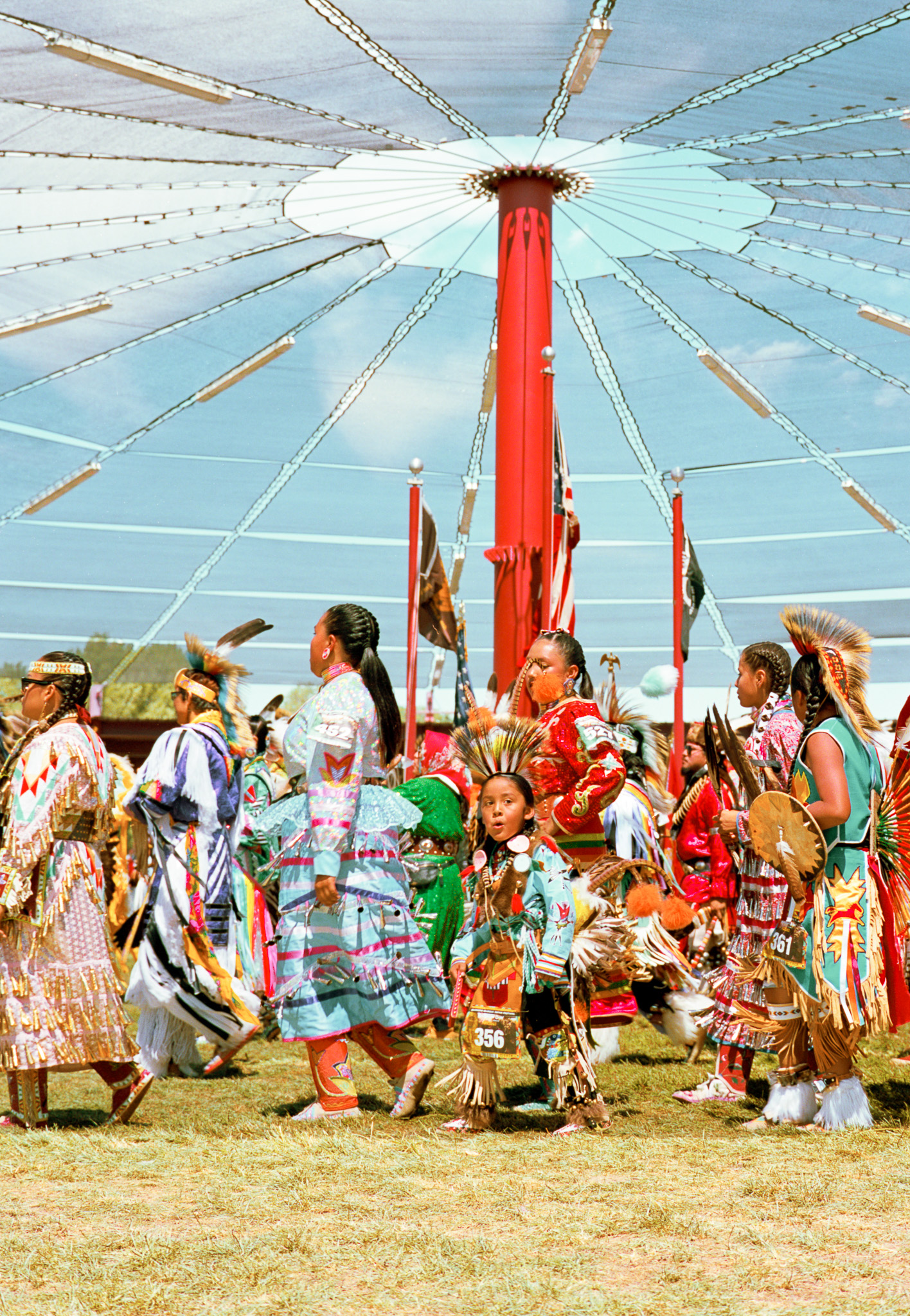
The project now includes a monograph and a film, alongside an upcoming exhibition at the Buffalo Bill Center of the West in Wyoming running from April - December 2026.
Mr Hancock said the exhibition was selected by a First Nations board and curated by a curator from Crow Agency.
He said the work is intended to live beyond a gallery setting through education materials connected to the exhibition.
"So it can go to become part of an education pack in Wyoming," he said.
He described the broader impact as creating a record that helps audiences understand Indigenous communities through family, culture and the everyday reality of young people holding their ground.
"It feels like being welcomed into an extended family," he said.
"It took time to win that trust, but it's, when you're in, you're in."
The monograph 'Riders of the buffalo Nations' is available for pre-order now.