






Children across regional NSW are preparing their final NAIDOC performance as the clock runs down on a program researchers say is delivering real results.
Every Monday afternoon for the past 18 months, Aboriginal and Torres Strait Islander children in Moree and on the Central Coast have gathered to dance. In December 2026, those Mondays stop.
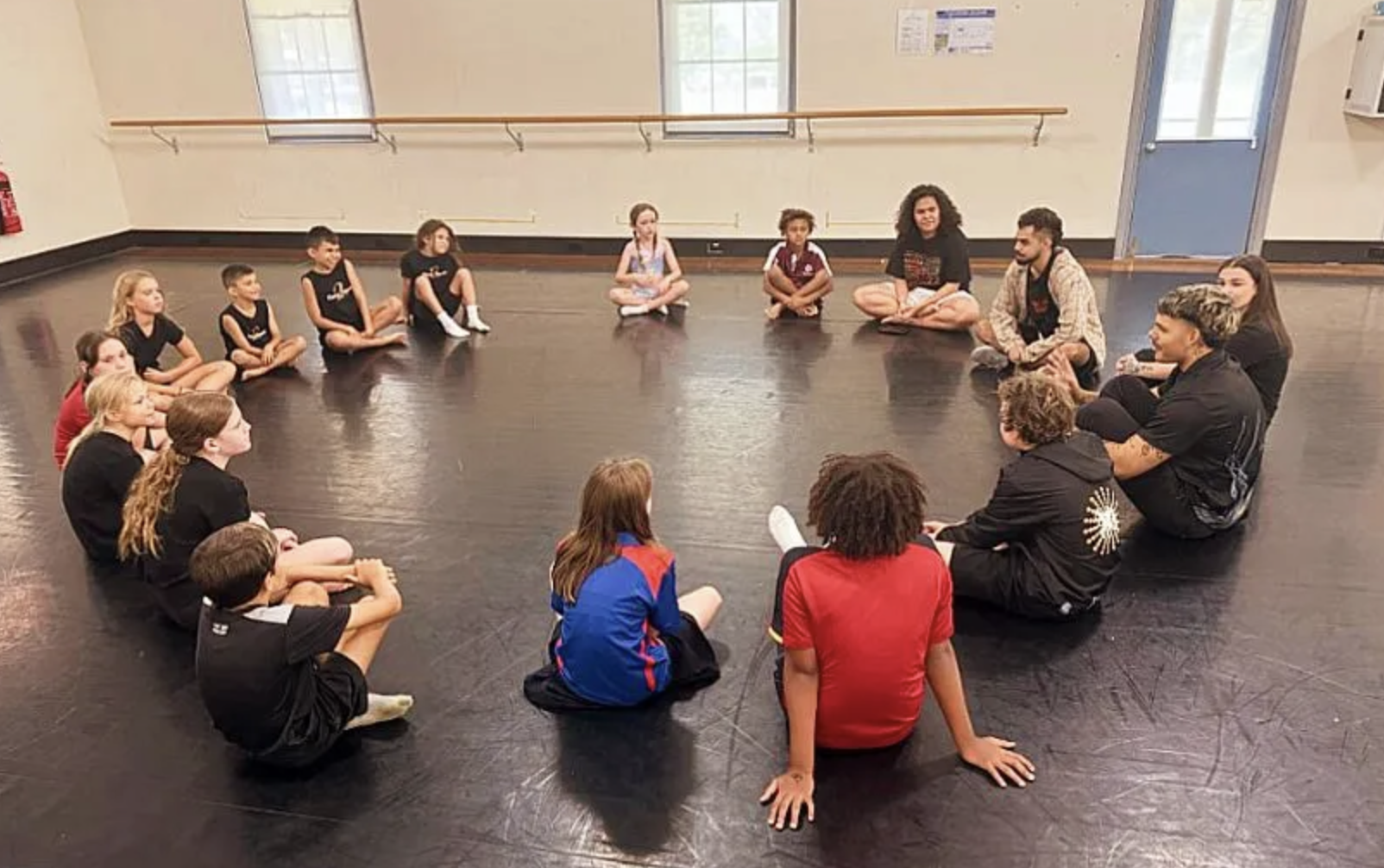
Dance2Kinnect, a Medical Research Future Fund-backed program run by The George Institute for Global Health, gives children aged eight to 15 access to contemporary Indigenous dance classes taught by NAISDA graduates. Twenty-seven children currently attend regularly across the two NSW sites.
The program doesn't just teach dance. For communities where culture, Country and family are inseparable from health and identity, it has become something harder to replace.
"There's nothing like this in our community, especially tailored to our youth who don't want to do sport. The misconception out here in the bush is that you've got to play footy," said Shae Duncan, owner and dance teacher, Yulugi Marumali in Moree.
Families report children are arriving at school happier on Mondays, forming new friendships and developing a stronger sense of cultural identity.
Cultural camps in Moree and at Lake Keepit have deepened that connection further, with children learning traditional and contemporary dances, bush tucker, basket weaving, Aboriginal art and cooking alongside Elders and community leaders.
"We could sign our kids up to a mainstream dance program, but it's not going to be the same. This is a program about children's cultural identity," said one Central Coast parent.
"There's a level of safety and nurturing that you just can't get elsewhere."
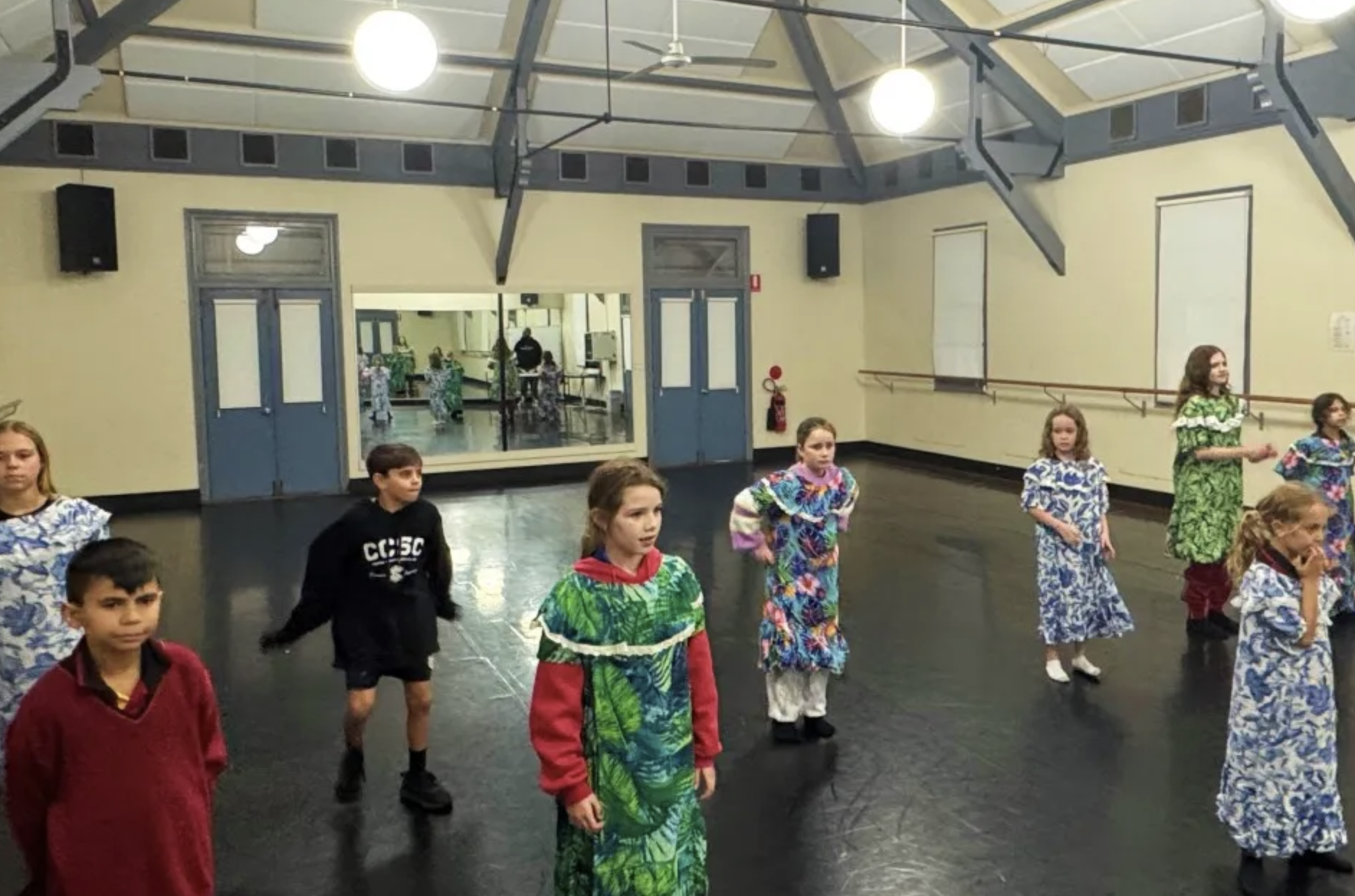
The program is currently preparing a new dance performance for Central Coast NAIDOC Week celebrations, honouring this year's theme "50 Years of Deadly", marking five decades of celebrating the strength, resilience and leadership of Aboriginal and Torres Strait Islander peoples.
Led by associate professor Julieann Coombes, the research uses yarning and culturally validated tools rather than Western clinical measures. An Aboriginal Youth Reference Group has provided oversight from the beginning.
"Cultural dance has been an important part of Aboriginal and Torres Strait Islander cultures for centuries. It connects people to their ancestors, land and culture," said Coombes.
"Multiple studies have shown dance can improve cardiovascular fitness and bone health in children, prevent noncommunicable diseases, improve school attendance and strengthen cultural identity."
Unless new investment is secured, classes finish at the end of 2026. The research team will continue analysing data through to 2027, but the program that generated it will be gone.
For more fashion, arts, culture and lifestyle news subscribe for free to the Style Up newsletter.