






Mwerre - Soap & Skin is a brand recognised in the First Nations beauty industry for their range of artisan soaps and bath products which feature native Australian ingredients.
Founded by First Nations woman Liz Liddle with a belief that beautiful skincare can be crafted from the environment and the ingredients of nature, Mwerre - Soap & Skin was born from Liddle drawing on experiences working in the spa industry and mineral spa town of Daylesford.
Liddle said she has always been interested in the healing properties of clay and developing her own spa products.
"After spending a few years working in the Spa industry in the early 2000's I became interested in the healing properties of clay and developing my own spa products, but at that time I didn't have the knowledge or means to create a beauty product business," she said.
"Fast forward 15 years, I circled back and made a decision to create a business focussing on bathing products and soap.
"I was looking at the time to do something that was creative and hands-on, where I could spend time away from computers and devices.
"I made the decision to teach myself how to make soap and incorporate clays into these products. Today I am manufacturing our soap products and continuing to keep that skillset."
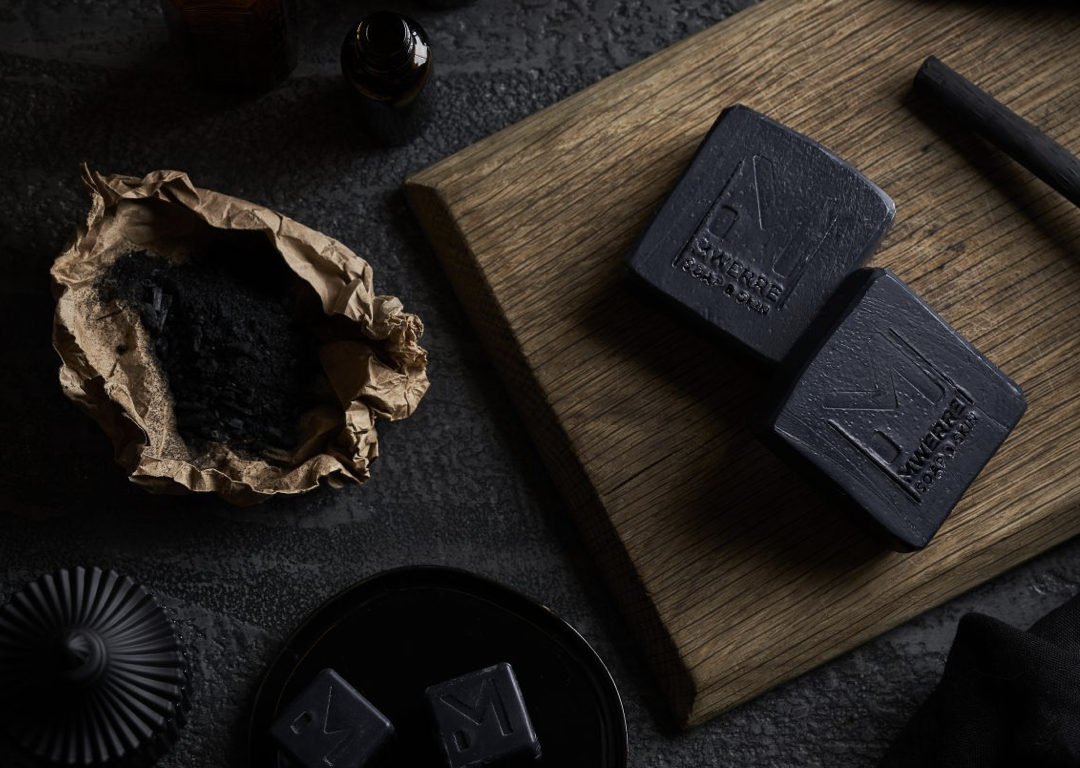
Liddle said Mwerre - Soap & Skin manufactures and supplies high quality, Indigenous, artisan, cold-process soap and bath products, incorporating natural and Australian ingredients which have been used by First Nations people to protect, adorn and heal skin.
In explaining product ingredients and the production process, Liddle said the soap is made through a process called Saponification.
"We make real soap at Mwerre. Real soap is made by a process called Saponification, which essentially is a chemical reaction that produces soap from a basic mixture of oil and water with an alkali," she said.
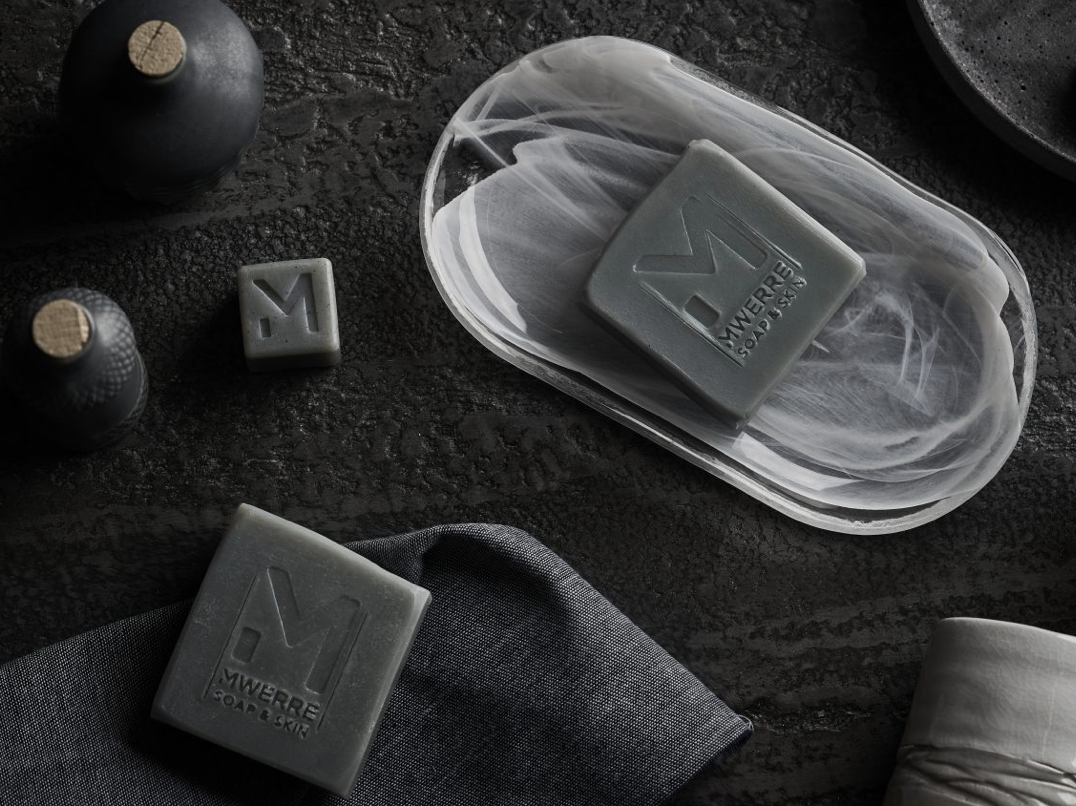
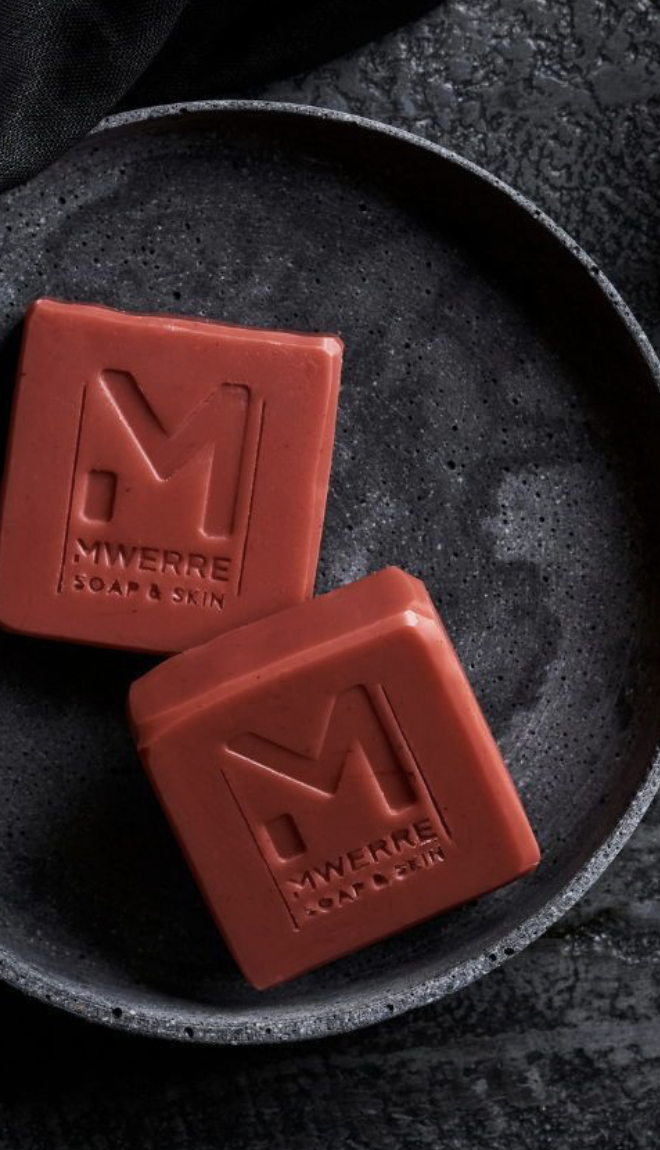
"So, we use a lot of different oils to create a unique skin-loving blend in our soap bars and then we add a range of other special ingredients such as clay, which adds colour, native botanicals and extracts and pure essential oils to provide an individual scent.
"Once everything is blended into the soap mix, we pour it into molds and wait for it to set and then cut it into bars. Once the bars are cut, we leave them to 'cure' and can take about 4-6 weeks, depending on the bar.
"Then we package them and they are ready to sell. So, the whole manufacturing process takes some time."
With First Nations culture being the backbone of the brand, Liddle said she - similar to other First Nations business owners - believes running a business is a great channel to learn, honour and protect culture.
"Developing a brand in beauty sector is one pathway to keeping culture strong and I think brands in this sector are challenged by non-Aboriginal owned brands utilising our botanical and medicinal plants for their products and either disconnecting that use from the people who are the custodians of that knowledge or when they disingenuously connect to people and culture," Liddle told Style Up.
"Founding a 'beauty' brand is one way where I can learn, apply, be creative and play a small part in ensuring that people have a choice to buy skincare products using native ingredients from Aboriginal-owned businesses."
Since launching the brand in 2018 Liddle has experienced a wealth of success. She said having Mwerre - Soap & Skin products stocked at the Sydney Opera House shop through the Uncovered program was a memorable milestones.
"Uncovered is a platform for local artists, makers, creatives and artisans to showcase their artistic excellence through the support of our Uncovered program," she said.
"Overall, designing the whole manufacturing process, creating a small factory and the learnings along the way in building knowledge and skills, that has been the most rewarding journey."
Liddle said First Nations businesses hold an inherent cultural connection which is often untapped in the competitive beauty industry.
"I think if you think about the whole 'Beauty and Wellness' industry which includes skincare we are just not fully taking advantage of the opportunities that are potentially available and equally there is not a lot of recognition for the business owners that are involved in this sector, unlike other sectors such as fashion," she said.
"The mainstream industry is very competitive and saturated with a lot of brands, but our point of difference is our inherent cultural connection to the botanicals we choose to utilise in our brands and from a customer standpoint this makes our brands interesting and unique.
"The challenge is that there is very limited support to get into the beauty industry, operate and succeed for Aboriginal people, it takes some personal dedication to learning and financial commitment.
"But there are a lot of entry points into the market, it's about finding your niche and who your customers are. I think there will be a lot of opportunity in the Spa and Boutique Hotel industry, in Men's skincare and grooming and in the wellness/cultural wellness space."
For more fashion, arts, culture and lifestyle news subscribe for free to the Style Up newsletter.