





Queensland Indigenous media organisations are calling for a greater share of existing government communications spending after new research found Indigenous community-controlled media is among the most trusted sources for Aboriginal and Torres Strait Islander audiences across the state.
The Queensland First Nations Media Coalition launched 'The Most Trusted Voice in the Room: The Impact of Indigenous Broadcasting in Queensland's Urban and Regional Hubs' at Triple A in Brisbane on Wednesday, following a strategic planning day involving Indigenous media leaders from across Queensland.
The research was led by Griffith University with support from the Lowitja Institute and used audience research company McNair YellowSquares for its survey component.
It surveyed 318 Aboriginal and Torres Strait Islander people across urban and regional Queensland, alongside qualitative research sessions in Brisbane, Cherbourg, Rockhampton and Cairns.
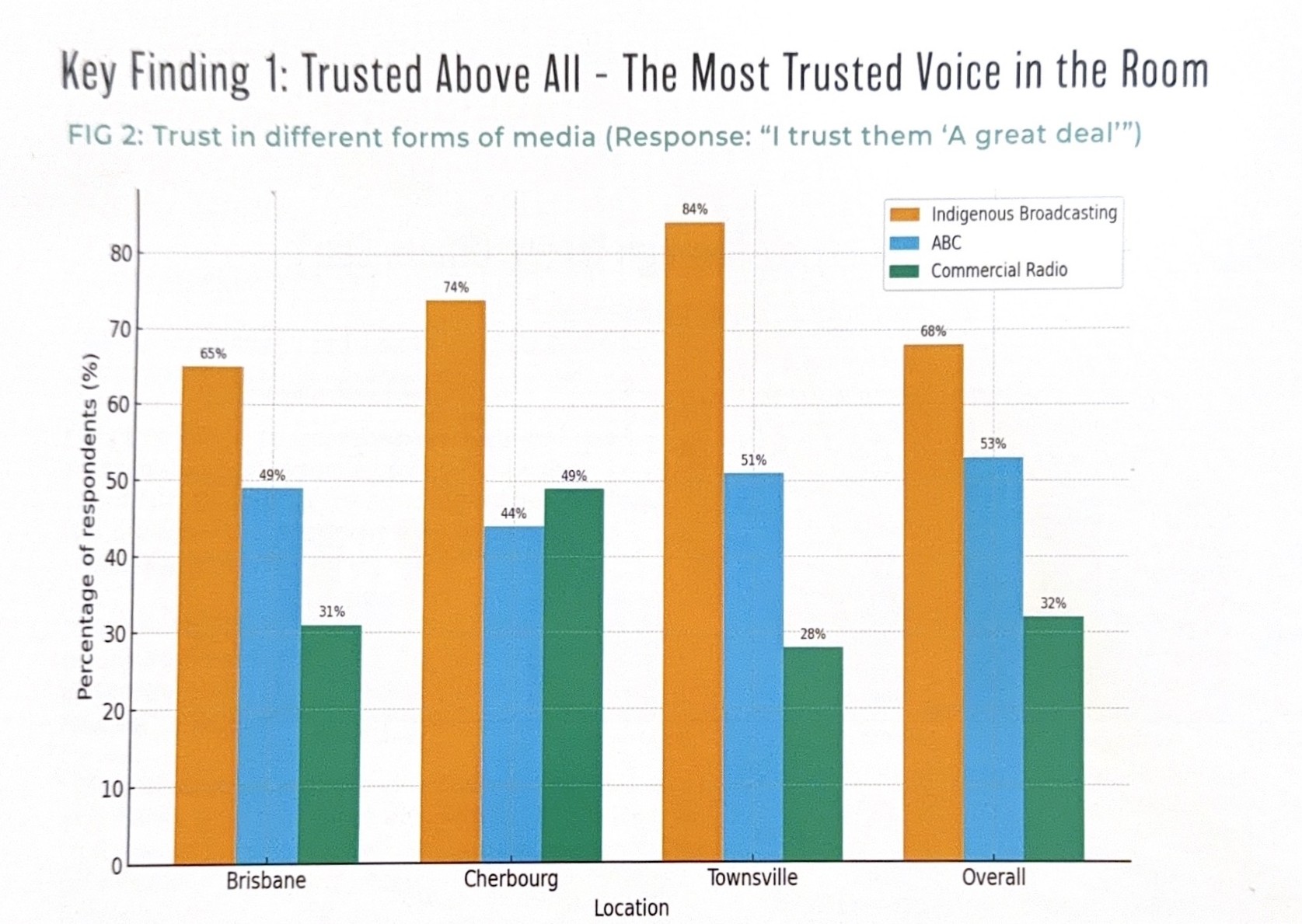
The findings showed First Nations media recorded high levels of trust among Aboriginal and Torres Strait Islander audiences, outperforming other independent, public and commercial media sources included in the research.
For Yupungathi, Komet and Wagadagam woman and Triple A CEO Renita Anderson, the findings reflected relationships community-controlled media organisations had built over decades.
"Our communities come to us because they know us and they trust us," Ms Anderson said.
"We are there every day sharing local stories, important information, culture, music and the voices of our people.
"That relationship has been built over decades and this research gives an evidence base to something our communities have always understood."
The report also found First Nations media had significant reach across urban, regional and discrete communities, connecting audiences to information, services, culture and each other.
Across the QFNMC network, the research identified 70 jobs, including 63 held by Indigenous people, representing an Indigenous employment rate of about 90 per cent.
Bidjara man and QFNMC chairperson Jyi Lawton linked the report to an opportunity for governments to reconsider how existing media and communications spending was directed when Aboriginal and Torres Strait Islander people were a target audience.
"We are not asking government to find new money or establish another funding program," Mr Lawton said.
"Government already spends significant amounts across media, advertising, marketing and communications.
"What we are asking is that when Aboriginal and Torres Strait Islander Queenslanders are an audience government needs to reach, a proportion of that existing spend is invested through the First Nations media platforms that the evidence now shows communities already listen to and trust."
Mr Lawton's proposal would direct existing expenditure through First Nations platforms to strengthen the reach of government information while supporting Indigenous employment, local journalism, culture and the sustainability of community-controlled media.
The Coalition is seeking a coordinated statewide approach that would make it easier for government agencies to engage First Nations media organisations and deliver campaigns through the network.
The report argues trusted communication is important across health, housing, education, employment, justice and other Closing the Gap priorities, where communities need information about services, opportunities and policy.
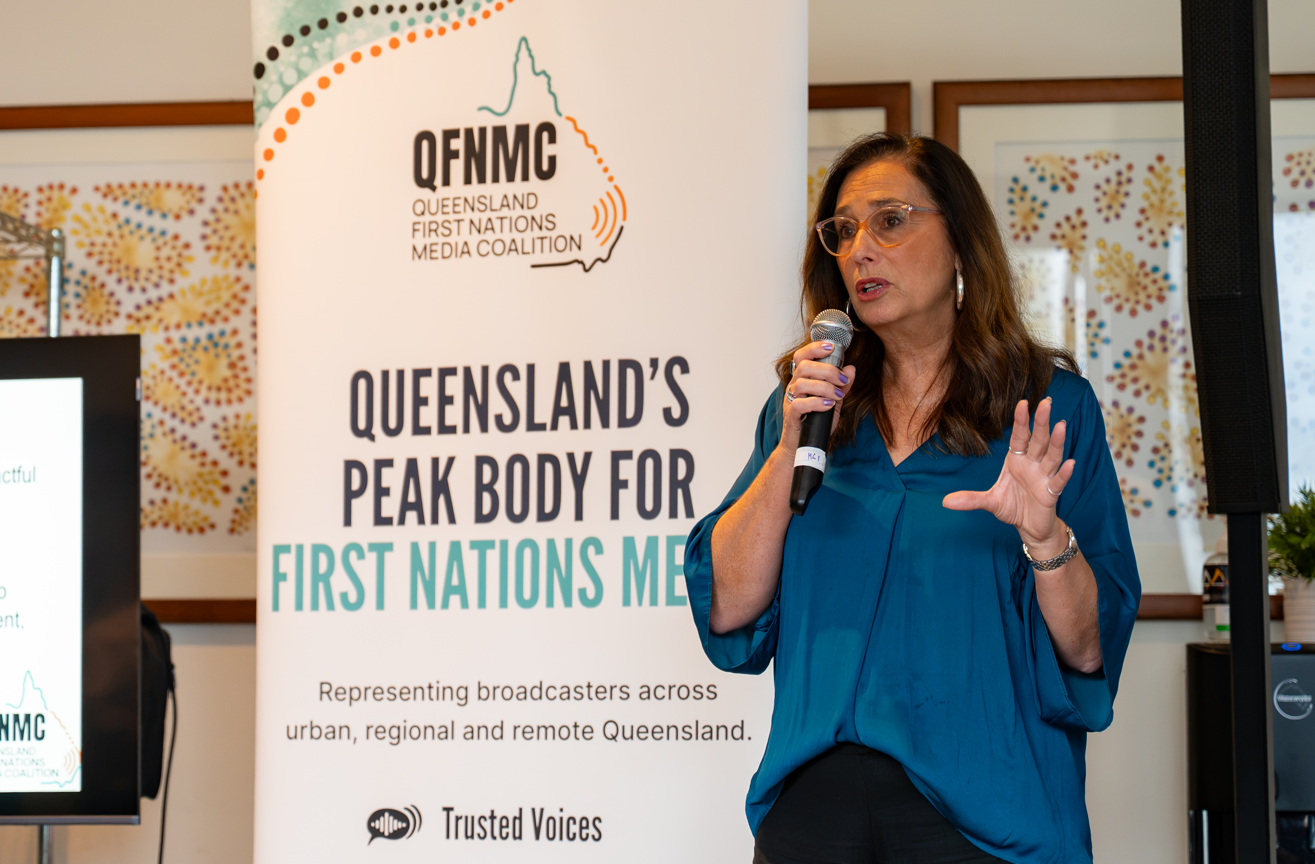
Griffith University Professor Susan Forde described the research as independent evidence of the trust, reach and impact First Nations media had across Queensland.
"This is a substantial body of independent research that provides clear evidence of the trust, reach and impact of First Nations media," Ms Forde said.
"The findings reinforce what communities and the sector have understood for a long time, but importantly, we now have independent evidence to support it.
"The results demonstrate the critical role these services play in connecting with Aboriginal and Torres Strait Islander audiences and provide a strong evidence base for governments, funders and other institutions when considering how they communicate with and invest in First Nations communities."
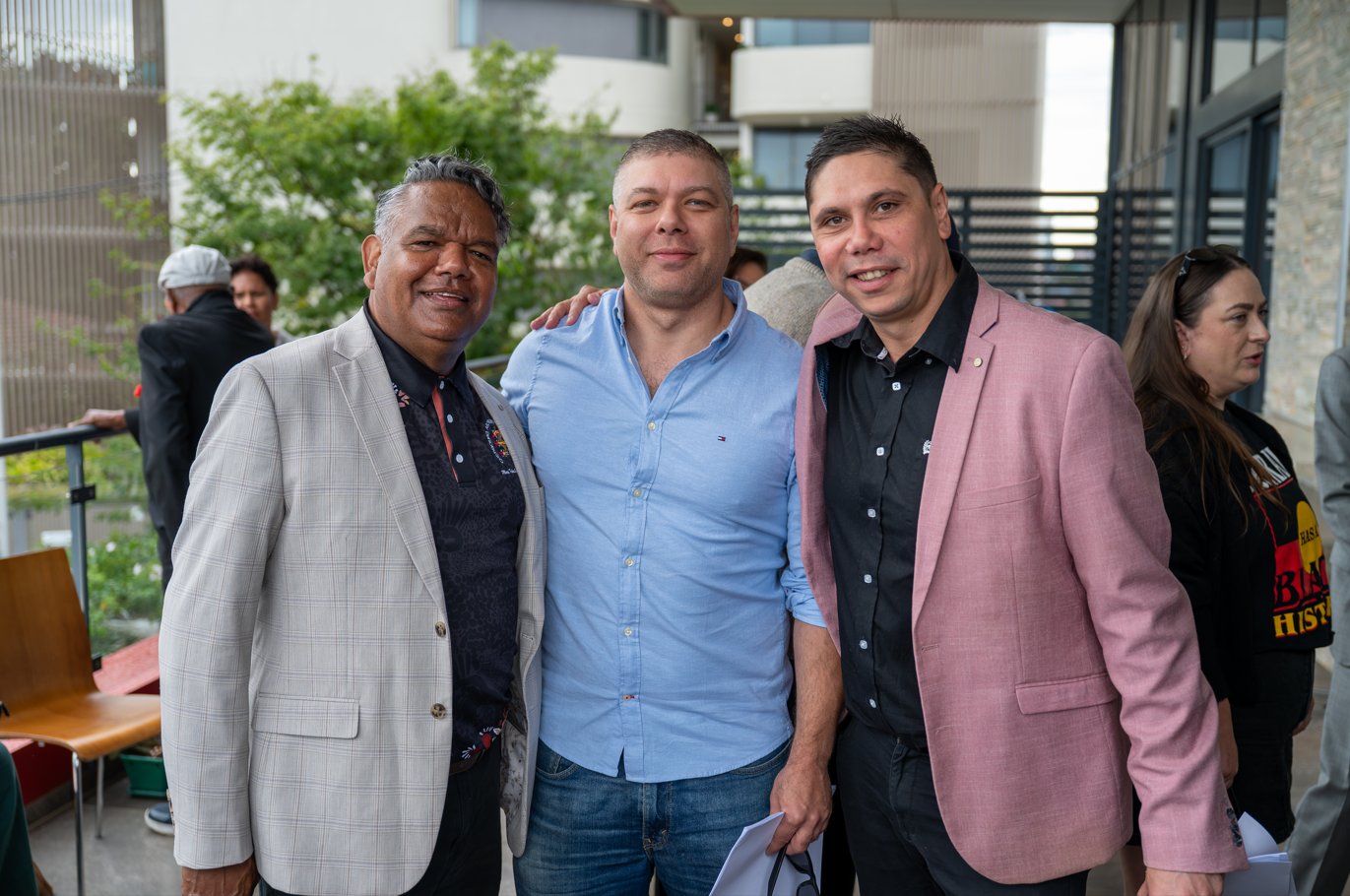
Cherbourg Aboriginal Shire Council Mayor Bruce Simpson pointed to the role locally controlled media played in individual communities.
"Cherbourg Radio is part of our community," Mr Simpson said.
"It gives our people a voice and provides a trusted way to share local information, celebrate our people and keep community connected.
"Having the evidence now to demonstrate that impact is important for Cherbourg and for communities right across Queensland."
Its network now stretches from the Torres Strait and Far North Queensland through regional and western Queensland to Brisbane, with representatives from Yarrabah also participating in its statewide work.
QFNMC will continue working with its members, First Nations Media Australia and the Queensland Government on a statewide approach aimed at directing more existing communications investment through First Nations-owned and community-controlled platforms.