






Taking place on the eve of Australian Fashion Week, First Nations Fashion Design Runway: Reclamation successfully paved the way forward for First Nations designers and creatives in a manner that was as powerful as it was engaging.
Presented as an independent, First Nations-led platform created by mob, for mob, Reclamation stood as a direct rejection of a fashion system historically built on exclusion, extraction, and the erasure of First Nations authorship.
Rather than operating within traditional industry structures, FNFD asserted sovereign control over representation, narrative, and creative infrastructure.
Marking the return of Grace Lillian Lee Couture following its international tour, Reclamation repositioned First Nations fashion at the centre of the national conversation, not as a moment of inclusion, but as a demonstration of cultural authority and self-determination.
Presented at Artspace Woolloomooloo, FNFD brought together six First Nations designers, including Tjarlirli & Kaltukatjara Arts, Nungala Creative, MumRed, Merrepen Arts, KingKing Creative and Grace Lillian Lee.
"The opportunity to work with FNFD came through shared values around celebrating and elevating First Nations creativity, storytelling, and innovation," said designer Tarisee King of KingKing Creative.
"We've always admired the work FNFD does to create spaces for Blak designers and artists to be seen and celebrated, so being invited to showcase as part of the Reclamation runway felt like a natural and meaningful collaboration.
"We feel so honoured to show with deadly designers like Grace Lillian Lee and Samala Cronin. There's something really special about seeing so many First Nations creatives coming together to celebrate culture, fashion, and storytelling in one space.
"We're proud to stand alongside such talented designers and artists who are all contributing to the growth and visibility of Blak excellence within the fashion industry. It creates a sense of community, strength, and shared purpose."
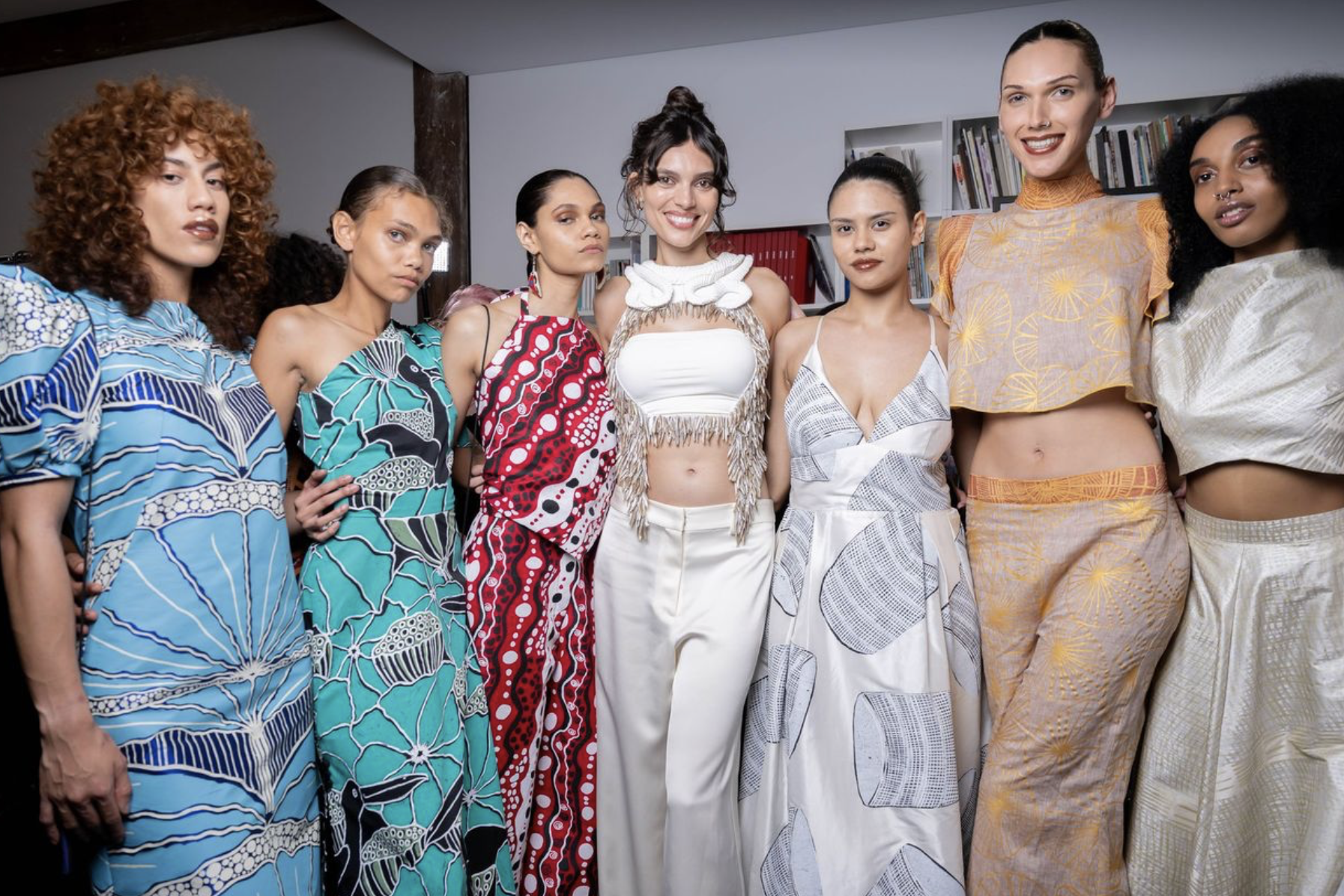
The Reclamation show was presented in partnership with RUSSH Magazine, with executive fashion director Hannah Cooper and fashion assistant Koby Dulac-Daley providing mentorship support to two First Nations fashion students from the University of Technology Sydney, who collaboratively styled the runway presentation alongside the FNFD creative team.
Speaking to the partnership, Jess Blanch, publisher and editor-in-chief, shared the significance behind this collaboration and the length at which the popular fashion magazine strives to emphasise identity and culture.
"At RUSSH, storytelling has always been at the centre of how we understand fashion, culture and identity, which is why partnering with First Nations Fashion + Design feels both deeply meaningful and entirely natural," she said.
"As an independent publication and a community for creative minds, we acknowledge First Nations people are this country's original storytellers — carrying knowledge, creativity and connection through generations with an integrity and perspective that continues to shape contemporary Australian culture.
"Our long-standing relationship with Charlee Fraser has only deepened that understanding; she represents a rare kind of vision, one that is grounded in community while continually pushing the global conversation forward.
"This partnership is about creating space for those voices to be seen, heard and celebrated on their own terms."
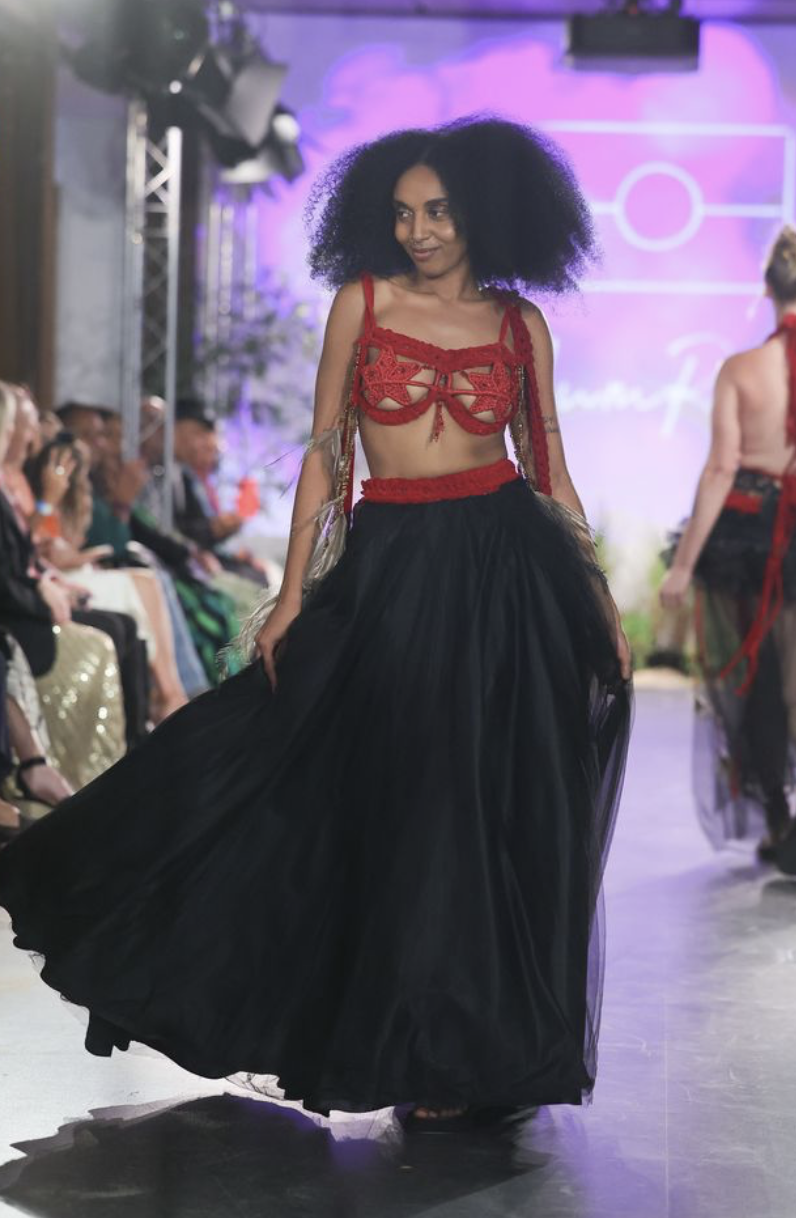
Lillian Lee, FNFD founder, spoke to the two businesses uniting and creating this powerful partnership.
"True partnership begins with listening, trust, and a willingness to shift power," she said.
"What RUSSH understood from the beginning was that this could not simply be about representation, it had to be about authorship, agency and creating a platform where First Nations creatives could lead the narrative entirely on our own terms.
"For generations, our people have carried stories through design, adornment, weaving, movement and ceremony.
"What is happening now is not the emergence of First Nations fashion, but the industry finally recognising the depth, sophistication and sovereignty that has always existed here."
Lillian Lee said working alongside "Jess, Hannah, Koby and the wider RUSSH team created a space where collaboration could happen with integrity and genuine respect".
"Having young First Nations fashion students involved in styling the runway was especially important to me because this work is not only about the present moment—it is about building legacy, pathways and infrastructure for the next generation," she said.
"Reclamation was never designed to fit comfortably within the existing fashion system. It was designed to challenge it, expand it, and ensure that our voices are not invited in temporarily, but embedded permanently within the future of Australian fashion."
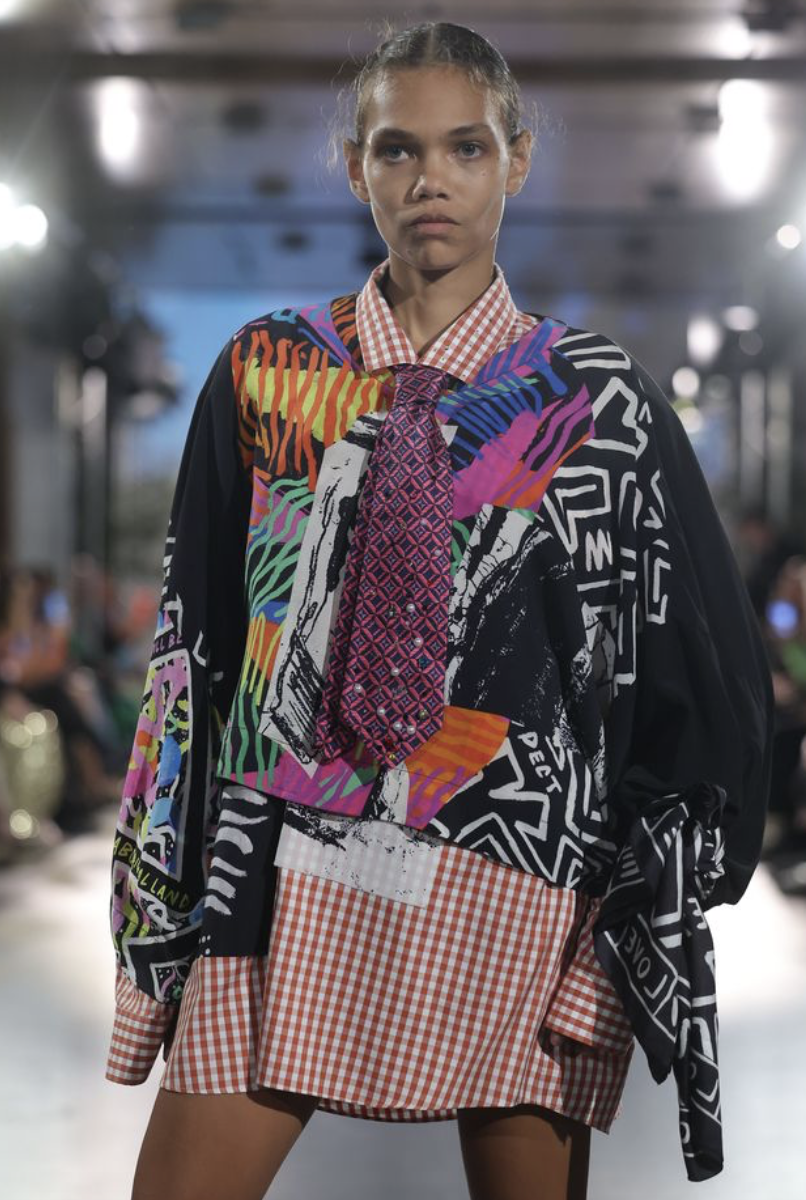
Aside from a lively runway performance, the evening also featured performances from William Barton and renowned ARIA Award-winning rapper BARKAA.
The program also included exclusive costume works from Lillian Lee's collaboration for Flora, presented by The Australian Ballet in partnership with Bangarra Dance Theatre, recontextualised within a sovereign First Nations framework.
"Reclamation was never about visibility within existing systems," said Lillian Lee.
"It was about dismantling those systems and rebuilding them on our terms. Our culture is not a trend, a reference point, or a resource. It is sovereign."
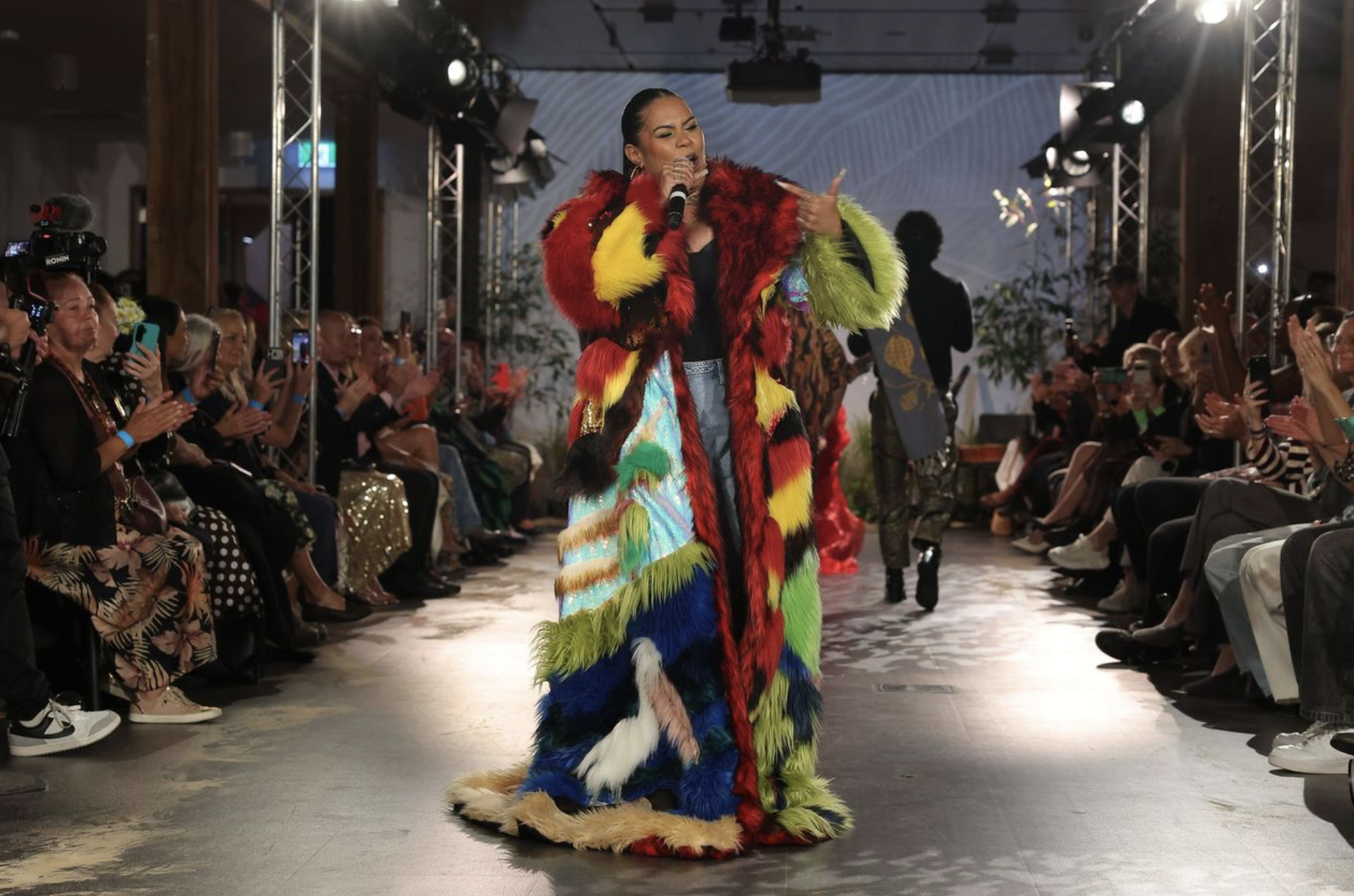
The event was held at Artspace in Woolloomooloo.
"At Artspace, we understand support not as a gesture, but as a long, patient act of listening and being present," said Victor Wang, executive director of Artspace.
"To work alongside First Nations Fashion + Design is to recognise that what is being built here is not simply a platform, but an ecosystem shaped by sovereignty and the deep time of cultural knowledge.
"Grace Lillian Lee's work reminds us that visibility is never the endpoint."
Wang said: "What matters is what continues to breathe after the light moves on."
"As an organisation, our role is to create the conditions where this growth can occur; to stand beside rather than ahead," he said.
"In this way, Artspace becomes not only a site of presentation, but a place of incubation: where Indigenous-led organisations can expand on their own terms, with autonomy and Continuity.
"We are proud to support First Nations Fashion + Design as it develops and grows by its own rhythms."
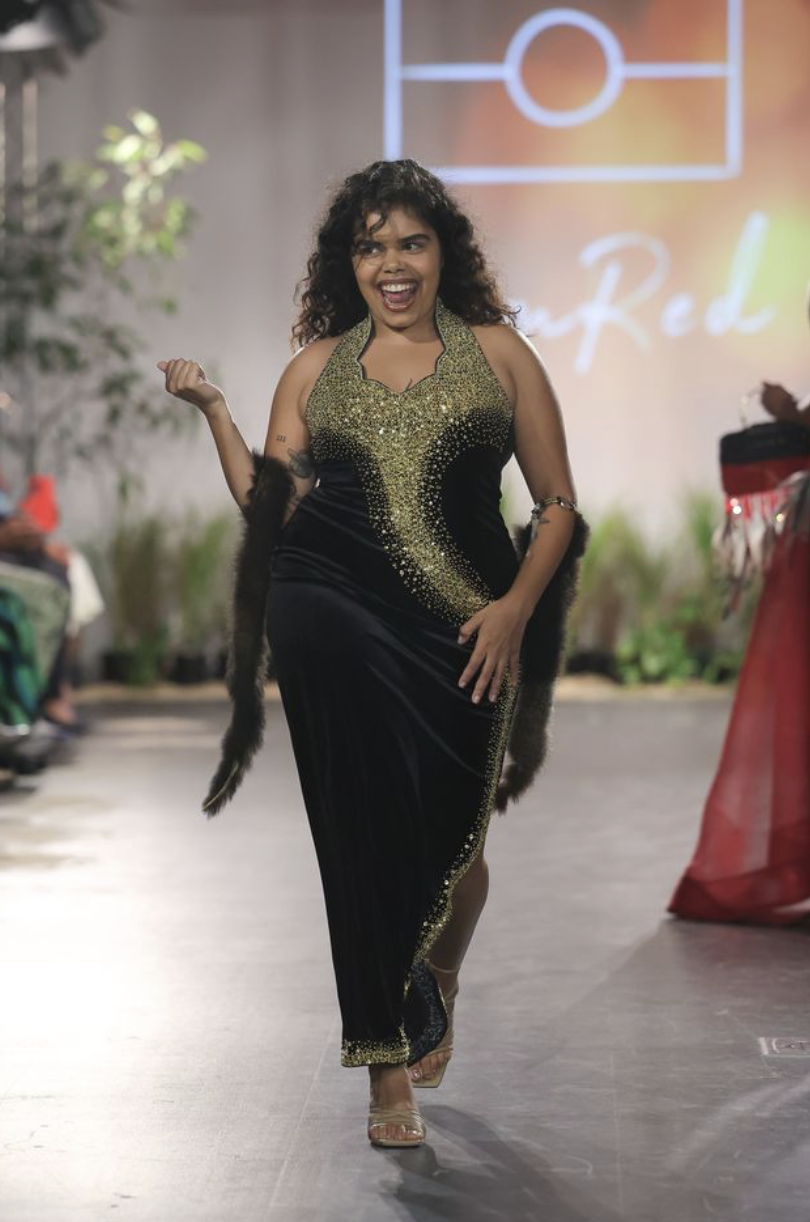
Reclamation celebrated the beginning of FNFD's long-term vision to establish a permanent, independent runway platform for First Nations designers and creatives, one designed not to fit within existing systems, but to outlast, transform and challenge them.
Beauty was created in partnership with AVEDA, led by Hair Director, Darren Summors, and make-up was in partnership with The Ordinary, led by Make Up Director, Isabella Schimid.
Reclamation was presented with support from Orange & Sardine, Indigenous Capital Limited, Creative Australia, Artspace, RUSSH Magazine, AVEDA, The Ordinary, EPSON, BONDS, IndiGrow, Usher Tinkler wines, Beer Farm, and DAZIE footwear provided by the ICONIC.
For more fashion, arts, culture and lifestyle news subscribe for free to the Style Up newsletter.