




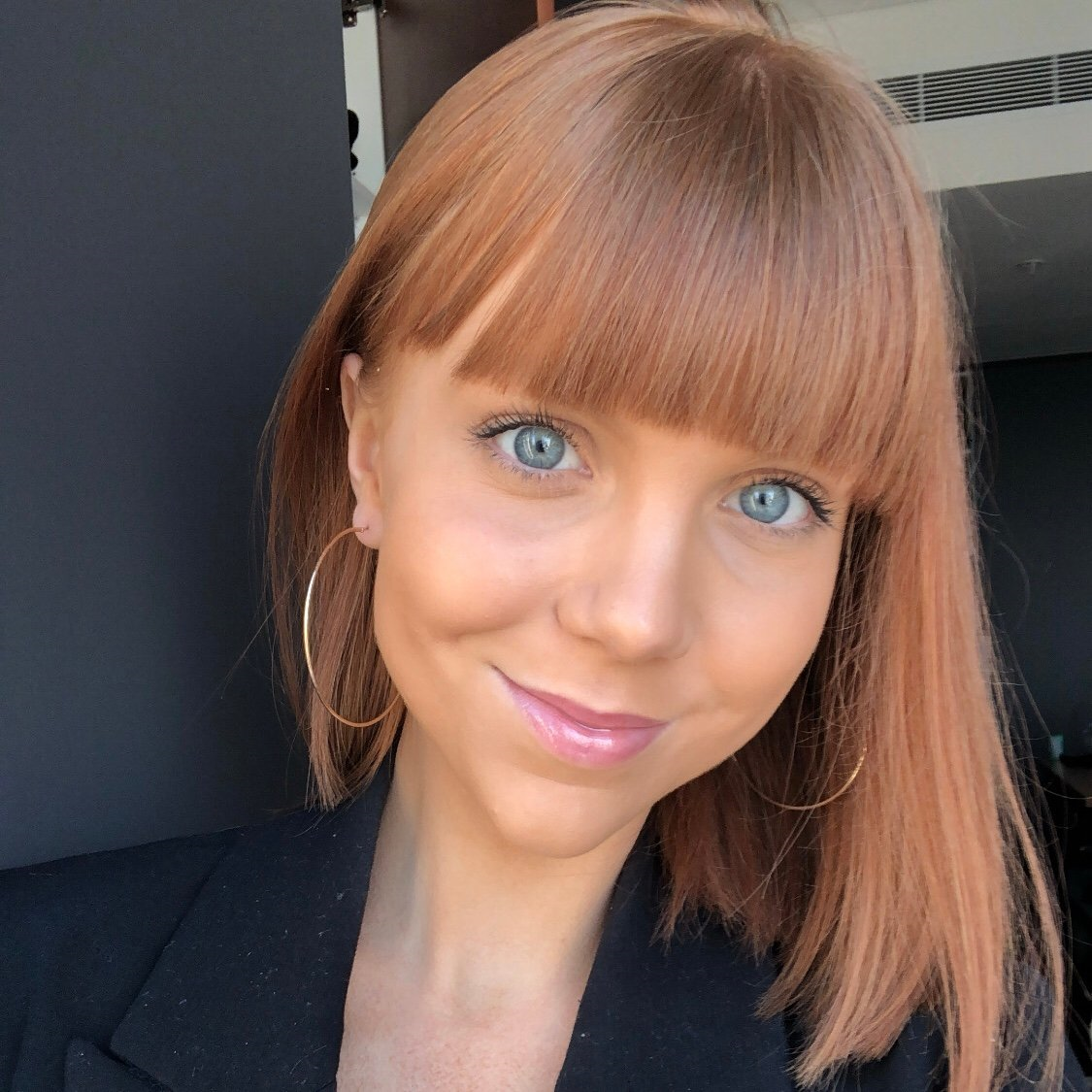

Tarsha Davis has only just begun studying a Bachelor of Fashion Design but faced an exam like no other last week - debuting her designs on a Melbourne Fashion Festival runway.
The emerging First Nations designer told Style Up she couldn't have imagined it six months ago.
"This will be my first runway production, which I never really saw myself doing until about six months ago. I am currently a full-time student studying a Bachelor of Fashion Design, and I'm only one semester in," she said.
"I am loving the learner experience, and there are still so many pathways I want to explore, but I do think this will be the first of many runway collections. I saw a callout to work with Mob in Fashion for the PayPal Melbourne Fashion Festival and just felt a really strong pull towards applying.
"I had very little ready at the time, but knew I could get it done during semester break. Mob in Fashion have been very welcoming and supportive. I can't wait to do it all again, knowing what I know now."
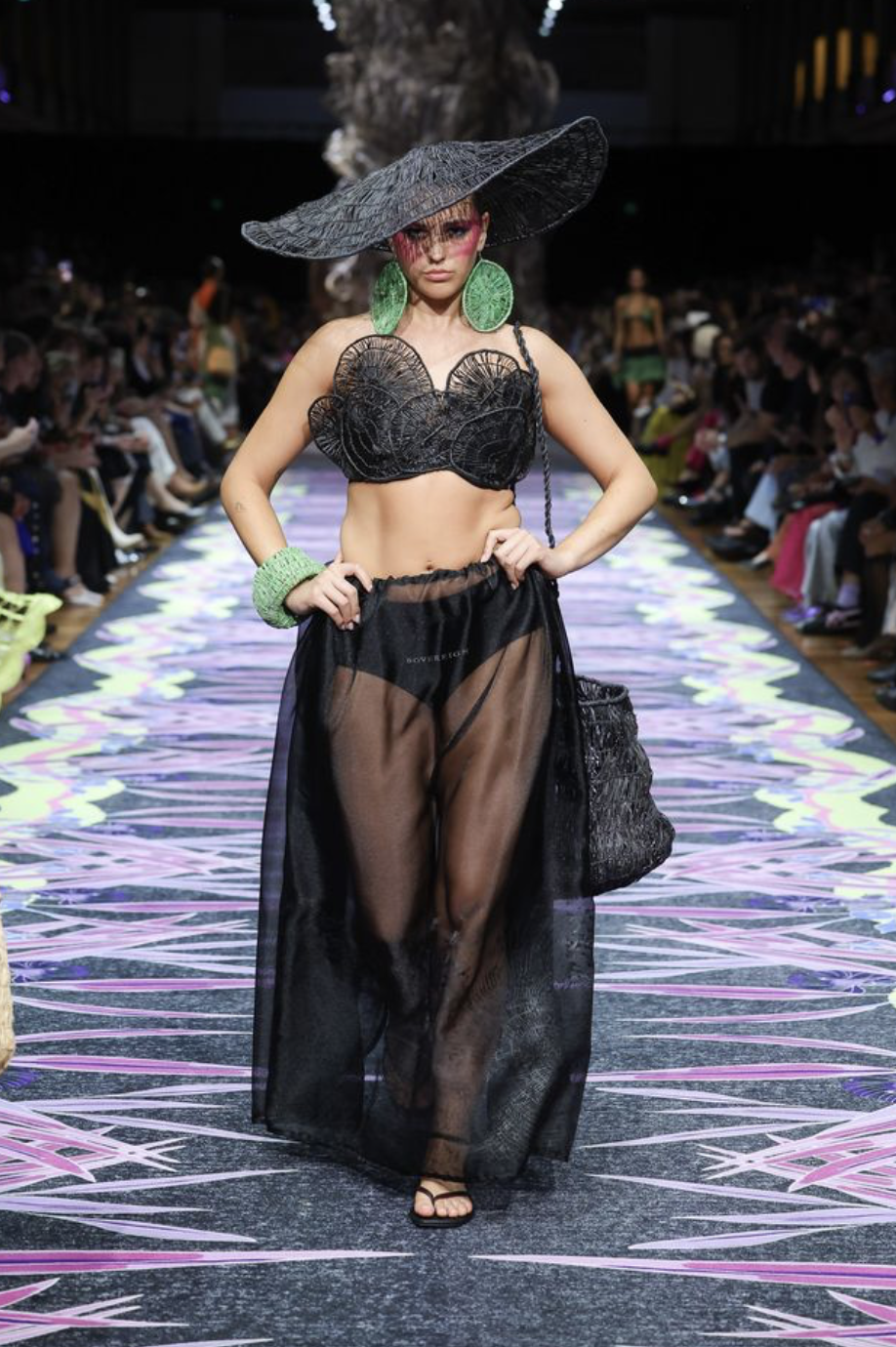
On the runway Davis presented a range of garments inspired by Country and culture.
"The collection draws on woven forms and basket-based patterns that run through the garments, jewellery, and printed textiles," she said.
"I learnt my traditional basket weave with my Aunty on our Country a few years back. I used the pattern from the inside of our Balji (basket) to screen print garments with matching woven accessories.
"I decided to use our Balji for my first ever runway collection to set a precedent in the way it captures cultural continuity, land rights, lineage, and responsible stewardship. I am inspired by my Country, the way it heals, teaches, and sustains us.
"I am in awe of the community I have around me, friends and family who have been ceaselessly working on the frontlines of First Nations justice movements. I hope they feel represented, if not in the work itself, at least in seeing the results of having invested in me."
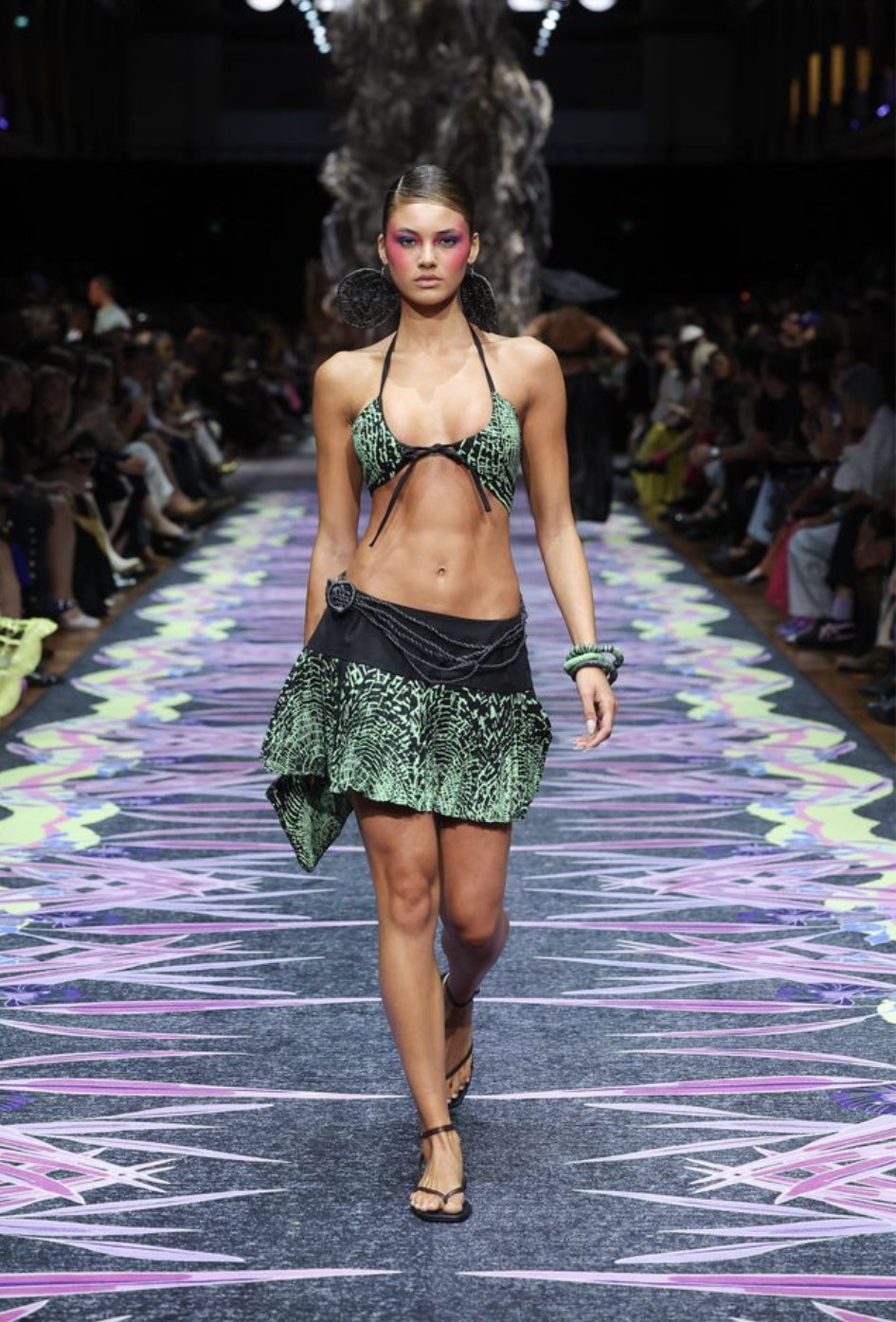
Appearing on the events Beyond Blak runway last week, Davis said she was honoured to share the runway with other inspiring designers.
"I feel absolutely honoured to be working alongside so many talented creatives. I know a couple of them personally and look forward to getting to know everyone else too," she said.
"Everyone is bringing their own unique voice and style, which makes the show that much stronger. It really captures the talent and diversity of our Mob around the country.
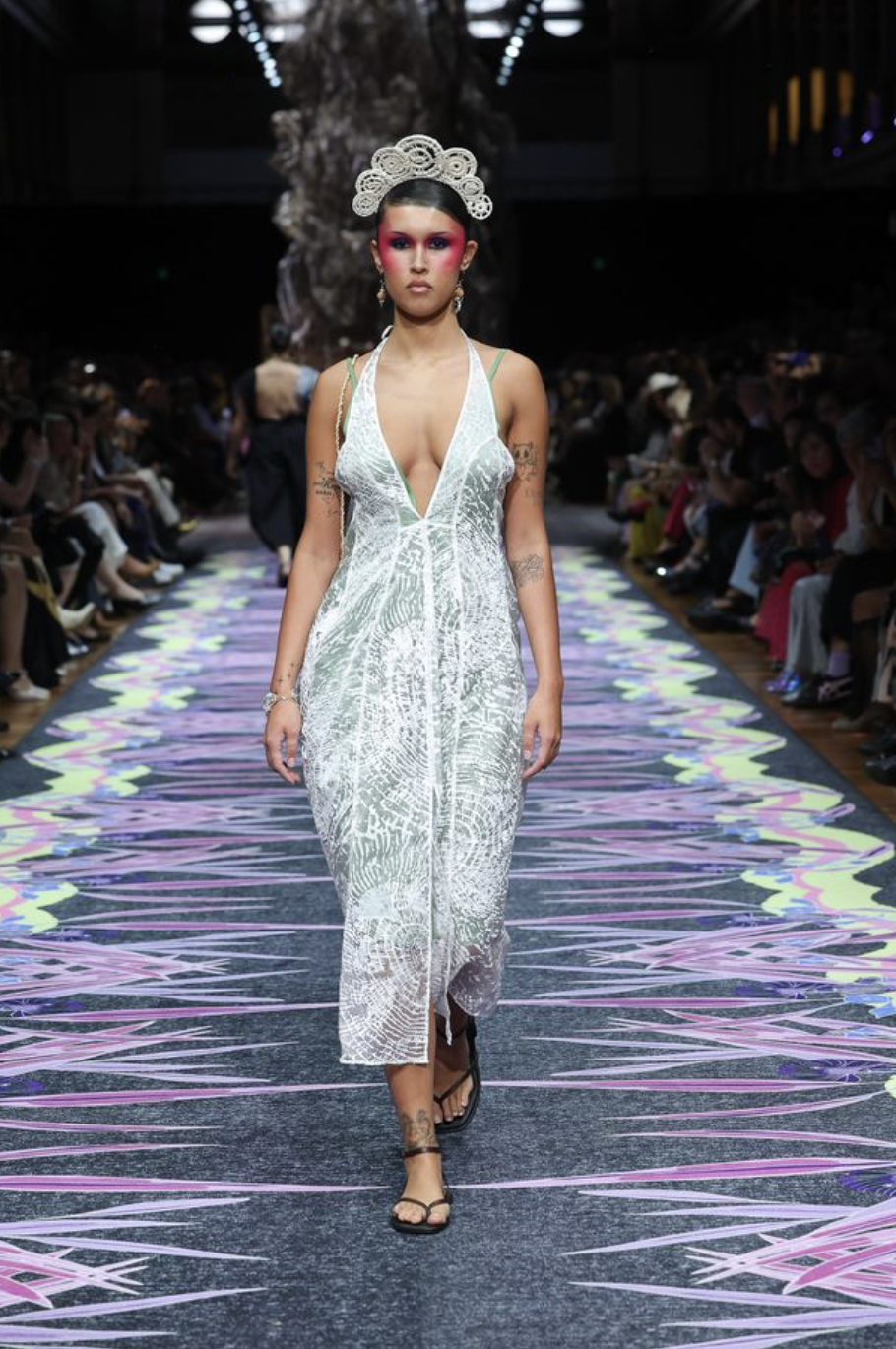
"The designs in this runway are mostly block-shaped patterns aiming to reduce fabric waste. I've tried to use any scrap materials in the jewellery and accessories.
"Creating garments that hold story and memory also encourages an emotional connection to our wearables that extends the life of a garment.
"I try to have a low-waste impact in my design work, but I think the biggest influence culture will have is actually in the storytelling and advocacy made possible through fashion."
Davis said she has been expressing her culture through art since her early teenage years.
"I've always been creative, but I started expressing my culture through art when I was about 17 or 18. It was deeply personal, and I didn't start practising professionally until I was in my 30s," she said.
"I also took up weaving and digital art along the way, eventually taking the plunge into a full-time artist career from mid-2023. I came to fashion through Blak Design 2024, which was a program delivered in partnership with RMIT and the Koorie Heritage Trust.
"I've been exploring fashion and textiles ever since through grants, residencies, and now I am enrolled in a Bachelor of Fashion Design at RMIT. I'm interested in how fashion can visually communicate cultural narratives and climate change urgency.
"I aspire to share stories of grief, protest, and cultural pride, while contributing to broader movements for land justice, conscious consumption, and cultural continuity. I am also motivated by innovation, systems thinking, and social justice.
"I hope to model ways of working that address over-production while promoting First Nations culture where it intersects with current industry priorities in circularity. Ultimately, I would like to build a creative practice or business that sustains me financially without compromising my values."
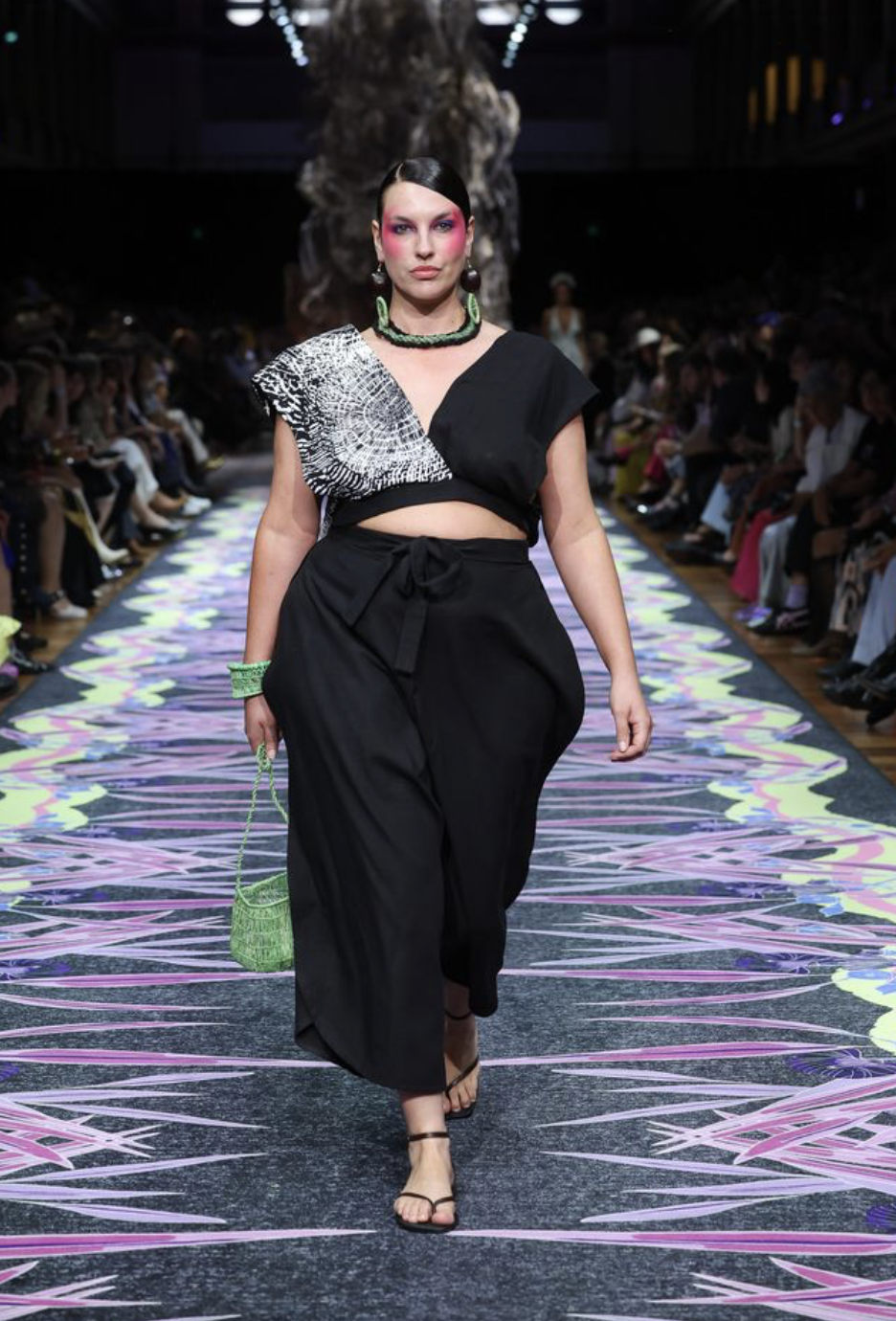
With an eye on the future, Davis said while she is unsure how the brand will evolve, she will continue to reflect her creativity, culture and community throughout her designs.
"Whether it grows into an Aboriginal textile art practice, fashion label, or social enterprise, the intent will remain the same," she said.
"I'm not entirely confident I know what final form my work takes, but I know it must be tactile, ethical, innovative, and grounded in culture."
For more fashion, beauty and lifestyle news, subscribe for free to the Style Up newsletter.